
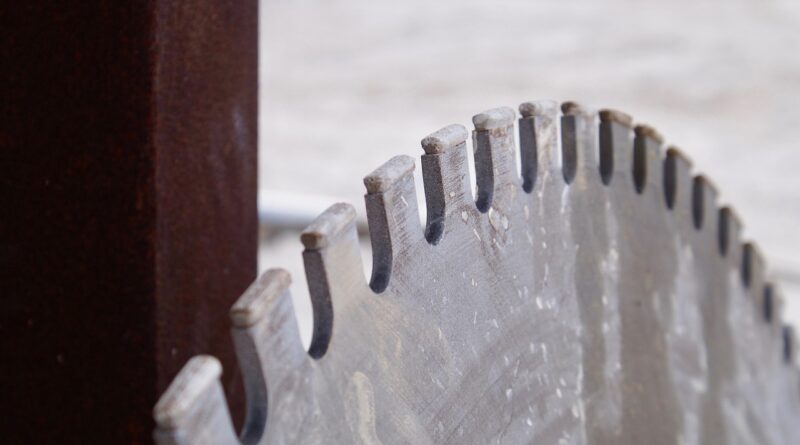
How to choose a steel cutting disc for safe, clean metal cutting
A steel cutting disc is a thin bonded abrasive wheel used to separate ferrous metal by wearing a narrow kerf through the workpiece. The right choice is not just the disc that fits the grinder spindle. It must match the tool diameter, arbor, guard, flange, maximum rpm, wheel shape, material marking and the cut quality required. In practice, thinner discs usually cut faster and generate less heat, while thicker discs can be more forgiving in rougher work. Aluminum oxide remains a common option for carbon steel. Zirconia and ceramic alumina products are often selected where longer life, faster cutting or harder alloys justify the higher cost. Safety is part of the selection decision because cut-off wheels have limited side strength and should not be twisted, bent or used as grinding wheels.
What a steel cutting disc actually does
A steel cutting disc, also called a cut-off wheel, does not cut like a toothed saw blade. It removes metal through abrasive action. The rotating edge contains abrasive grains held in a bond, commonly resin. As the disc works, the grains fracture or wear to expose fresh cutting points. Many discs used on handheld grinders are reinforced with fiberglass mesh to help the wheel withstand operating stresses, but reinforcement does not make a thin cut-off disc suitable for side loading.
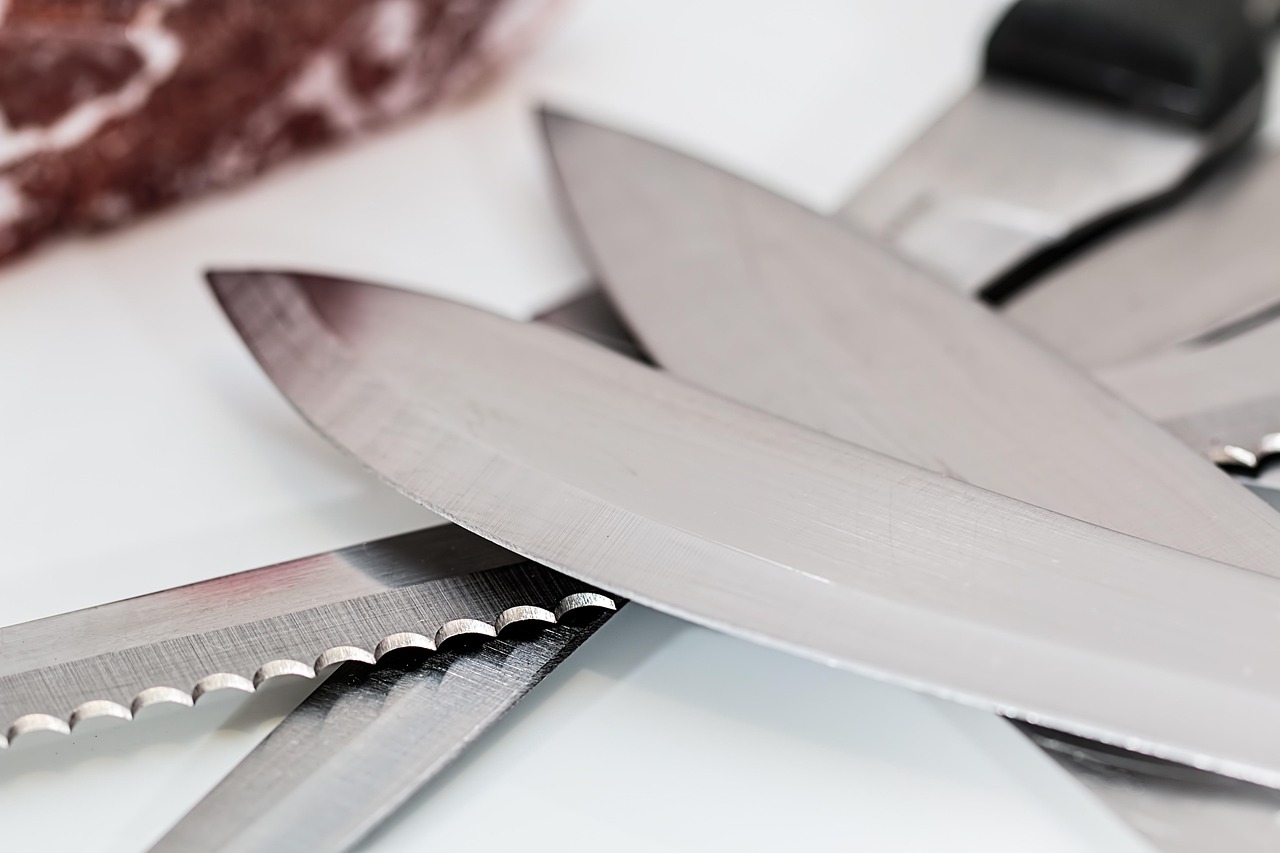
This distinction matters when operators move between saws, grinders and chop saws. A toothed blade shears chips from the steel. An abrasive cutting disc produces sparks, heat, fine swarf and wheel wear. The disc becomes smaller during use, which gradually reduces cutting depth and changes the operator’s leverage. That wear is normal. Chipped edges, cracks, water damage, severe glazing or a disc that has been dropped are warning signs to stop and replace it.
Standards and safety guidance commonly referenced for bonded abrasive wheels include OSHA 29 CFR 1910.215 and 1910.243 in the United States, ANSI B7.1, EN 12413, ISO 603 dimensional standards, and safety information from organizations such as FEPA and CCOHS. These references do not replace the disc manufacturer’s label or the grinder manual. They reinforce the same core requirement: the wheel, machine and operation must be compatible.
Start with machine compatibility, not steel grade
The first selection step is mechanical fit. If the disc is too large, has the wrong bore, exceeds the guard capacity or carries a lower speed rating than the grinder, the material match is already irrelevant. OSHA guidance for abrasive wheel machinery requires the wheel to be inspected before mounting and the spindle speed to be checked against the maximum operating speed marked on the wheel. For portable grinders, guarding guidance also emphasizes keeping the guard between the operator and the wheel so fragments would be deflected away if a wheel failed.
| Machine or tool | Disc selection priority | Common risk to avoid |
|---|---|---|
| Right-angle grinder | Match diameter, arbor, rpm rating, wheel type and cutting guard | Using a cut-off disc with a grinding guard removed or mispositioned |
| Straight grinder or die grinder | Use wheels specifically rated for the tool speed and mounting system | Assuming all small discs tolerate very high rpm |
| Abrasive chop saw | Use the correct stationary cut-off wheel diameter, bore and rated speed | Forcing the arm or cutting unsupported stock |
| Stationary or mobile cut-off machine | Follow the machine maker’s approved wheel dimensions and safety standard | Substituting a handheld-grinder wheel without checking compatibility |
Never mount an oversize disc to gain extra cutting depth. Also avoid transferring a worn large disc to a smaller, faster grinder unless the disc label and manufacturer instructions explicitly allow that use. A smaller grinder may have a higher no-load speed, so a wheel that was safe on one machine can be unsafe on another.
Choose the right shape and thickness
Flat discs for straight access
Flat cut-off wheels are commonly identified as Type 1 or Type 41. They suit straight cuts where the operator can approach the steel squarely. Because the profile is flat, the wheel can provide good depth of cut for its diameter. This is useful for bar, angle, tube, sheet edges and many general fabrication jobs where access is open.
Depressed-center discs for clearance
Depressed-center cut-off wheels are commonly identified as Type 27 or Type 42 in cut-off wheel terminology. The raised hub creates clearance between the locking nut and the workpiece, which can help on flush cuts or cuts near obstructions. The tradeoff is that wheel geometry, guard type and tool orientation become more important. A depressed-center wheel is not automatically safer or stronger for every job; it is a shape chosen for access and mounting clearance.
Thin discs for speed, thicker discs for durability
Disc thickness affects cutting behavior more than many buyers expect. Thin wheels remove less material, so they usually cut with less heat, lower resistance and a narrower kerf. That helps on thin sheet, tubing and small sections where burr control and speed matter. The limitation is lateral strength. Thin cut-off wheels should be kept straight in the cut and should not be twisted to widen a kerf or change direction.
Thicker wheels may be more appropriate for rougher stock, interrupted cuts, heavier sections or applications where wheel life matters more than a fine kerf. They can still break if abused, but they generally give the operator more tolerance than an ultra-thin wheel. A practical rule is to choose the thinnest disc that can complete the cut safely and consistently under the actual shop conditions.
Match abrasive grain to the steel and work volume
For ordinary mild steel and many carbon steel jobs, aluminum oxide discs remain a common and economical choice. They are widely available, predictable and suitable for general maintenance, fabrication and repair work. If a shop cuts steel only occasionally, a quality aluminum oxide steel cutting disc may be the most sensible starting point.
Zirconia alumina discs are often chosen for more demanding work or where longer life can reduce changeovers. They tend to suit higher-pressure cutting and repeated fabrication tasks better than low-cost general-purpose wheels. Ceramic alumina discs can provide further performance advantages on hard-to-cut metals, high-alloy steels or production environments where cut rate and wheel life affect labor cost. However, premium grain is not automatically the best value. If the work is light, intermittent or mostly thin mild steel, the extra cost may not return enough benefit.
Stainless steel requires a separate check. Use a disc marked for stainless or INOX work when corrosion-sensitive surfaces matter. These discs are commonly made to reduce contamination from iron, sulfur or chlorine compounds. Cross-contamination can also come from workholding, brushes, flap discs and shared grinding tools, so disc selection is only one part of stainless process control.
Do not use a masonry disc on steel unless the label specifically approves the steel cutting application. Masonry, aluminum, stainless, cast iron and carbon steel each create different loading, heat and fracture conditions. A disc that fits the grinder physically may still be wrong for the material.
Performance tradeoffs that matter in fabrication
When comparing discs, the lowest purchase price per wheel rarely tells the full story. A better metric is cost per acceptable cut, including wheel changes, rework, burr removal, operator time and scrap risk. A premium disc that lasts longer and cuts straighter may be cheaper in production, while an economical disc may be entirely adequate for occasional repair work.
- Kerf width: A narrower kerf removes less steel and can reduce heat input, but it also leaves less margin for steering errors.
- Cut speed: Faster cutting reduces labor time, but forcing the tool can overheat the disc, glaze the edge or pinch the wheel.
- Burr formation: Thin discs and steady feed often reduce burrs, but steel grade, support and cut exit also matter.
- Wheel life: Harder bonds and premium grains may last longer, but a wheel that is too hard for the job can cut slowly or glaze.
- Cut accuracy: Clamping, tool control and a straight approach are as important as the disc specification.
For repeatable square cuts in tube, bar or angle, an abrasive chop saw, cold saw or band saw may be more consistent than a handheld grinder. For demolition, field fit-up and awkward repairs, a grinder with the right cutting disc offers flexibility. The disc should be selected around the actual process, not just the material name. See also: CNC Machining.
Safety checks before every cut
A cut-off wheel is most vulnerable when it is side loaded, pinched, oversped, damaged or used without proper guarding. Before mounting a disc, inspect it under good light. Look for cracks, edge chips, water damage, distortion, missing label information or signs that the disc has been dropped. For larger conventional abrasive wheels, OSHA describes sounding or ring-testing before mounting. Thin organic-bonded cut-off wheels may not ring like vitrified wheels, so visual inspection and manufacturer instructions remain essential.
Confirm that the disc’s maximum rpm is equal to or greater than the grinder’s no-load rpm. Check that the arbor fits correctly without forcing, that flanges are clean and matched, and that the nut is tightened according to the tool maker’s instructions. Over-tightening can damage the wheel, while loose mounting can cause vibration and loss of control.
- Use the correct guard and position it between the wheel and the operator.
- Wear safety glasses and a face shield; add hearing, respiratory and hand protection as the job requires.
- Clamp the work so the kerf will not close on the disc as the cut progresses.
- Let the wheel reach full speed before entering the cut.
- Keep the disc straight; do not twist, pry, bend or grind with a thin cut-off wheel.
- Allow the tool to stop before setting it down.
- Control sparks around flammables, hoses, cables, paint, dust and nearby workers.
If the operation requires side grinding, use a grinding wheel or a combination wheel explicitly rated for both cutting and grinding. A standard thin steel cutting disc is designed to cut on its edge, not to clean welds or bevel plate with its side face.
Troubleshooting common cutting problems
| Problem | Likely cause | Practical adjustment |
|---|---|---|
| Disc cuts slowly | Wrong abrasive, glazed edge, insufficient speed or excessive pressure | Verify rpm, reduce forcing, try a sharper or higher-performance steel-rated disc |
| Excessive heat or discoloration | Too much pressure, thick disc, poor support or slow cut rate | Use steady feed, choose a thinner disc where safe, support the work properly |
| Cut wanders | Disc flex, poor stance, unsupported stock or starting at an angle | Mark the line clearly, start with a shallow groove, keep the grinder square |
| Wheel breaks or chips | Side loading, pinching, impact, wrong guard or damaged disc | Stop work, replace the disc, correct clamping and review operator technique |
| Heavy burrs | Disc too thick, exit side unsupported or feed inconsistent | Use a thinner wheel where appropriate and support the cut-off piece |
| Rapid wheel wear | Disc too soft for the job or abrasive not suited to the steel | Compare zirconia or ceramic options and evaluate cost per cut |
Many failures blamed on disc quality are actually process problems. A closing kerf can trap even a good wheel. A missing guard may give more access, but it also removes a primary layer of protection. A premium ceramic disc will not compensate for using the side of a cut-off wheel to grind a notch wider.
Buying and storage checklist for shops
For purchasing, create a short approved list rather than letting every operator choose a different wheel. Record the common grinder sizes, arbor sizes, maximum tool speeds, typical steel sections and whether stainless contamination control is required. Then stock discs that clearly show the material application, wheel type, dimensions, maximum rpm, safety pictograms and relevant standard markings such as ANSI B7.1 or EN 12413 where applicable.
Storage deserves the same attention as selection. Bonded abrasive wheels should be kept dry, clean and protected from impact. Avoid leaving discs loose in toolboxes where they can be bent, chipped or contaminated. Follow any manufacturer use-by or shelf-life information printed on the disc or package, especially for resin-bonded wheels stored in humid or harsh environments.
For more articles on machining, abrasives and shop tooling decisions, visit the Cutting & Tooling section.
Frequently asked questions
Can I grind with a steel cutting disc?
Not with a standard thin cut-off disc. It is designed for edge cutting and has limited side strength. Use a grinding wheel or a cut-and-grind combination wheel only if the label and tool instructions approve that operation.
Is a thinner steel cutting disc always better?
No. A thinner disc can cut faster and leave a narrower kerf, but it is less tolerant of twisting, side pressure and poor support. Use thin discs for clean, straight cuts where control is good. Choose a thicker disc when the work is rougher or wheel durability is more important.
Can one disc cut both mild steel and stainless steel?
Only if the disc is marked for both applications. For stainless, choose a disc intended for stainless or INOX use, and avoid tools or abrasives that can transfer carbon steel contamination to the surface.
What does the rpm rating on the disc mean?
The rpm rating is the maximum operating speed allowed for that wheel. The grinder’s no-load rpm must not exceed the disc rating. Also confirm diameter, arbor, guard and flange compatibility before mounting.
When should a shop use a saw instead of a grinder?
Use a saw when repeatability, squareness, lower operator variability or production volume matters more than portability. A grinder and steel cutting disc are excellent for field work and flexible access, but they are not always the most accurate or economical option for repeated cuts.