
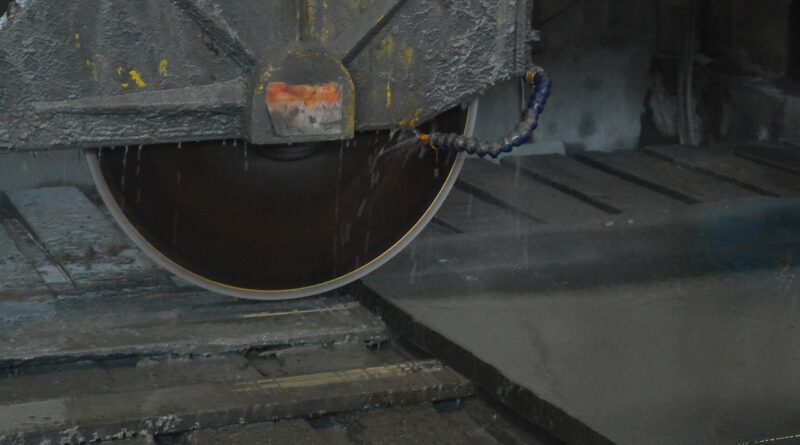
Metal cutting miter saw guide for fabrication shops
What a metal cutting miter saw is built to do
A metal cutting miter saw is built for repeatable straight and angled cuts in metal stock, with the workpiece held against a fence or vise. In fabrication shops, it is most useful for tube frames, angle iron, channel, flat bar, threaded rod and small structural profiles where the angle of the cut is just as important as the cut length.
The main decision is not blade size alone. It is whether the job calls for an abrasive chop saw, a toothed cold-cut saw, or a machine that only resembles a woodworking miter saw. A poor match between machine, blade and material can lead to excessive heat, burrs, blade damage, inaccurate miters and serious safety hazards.
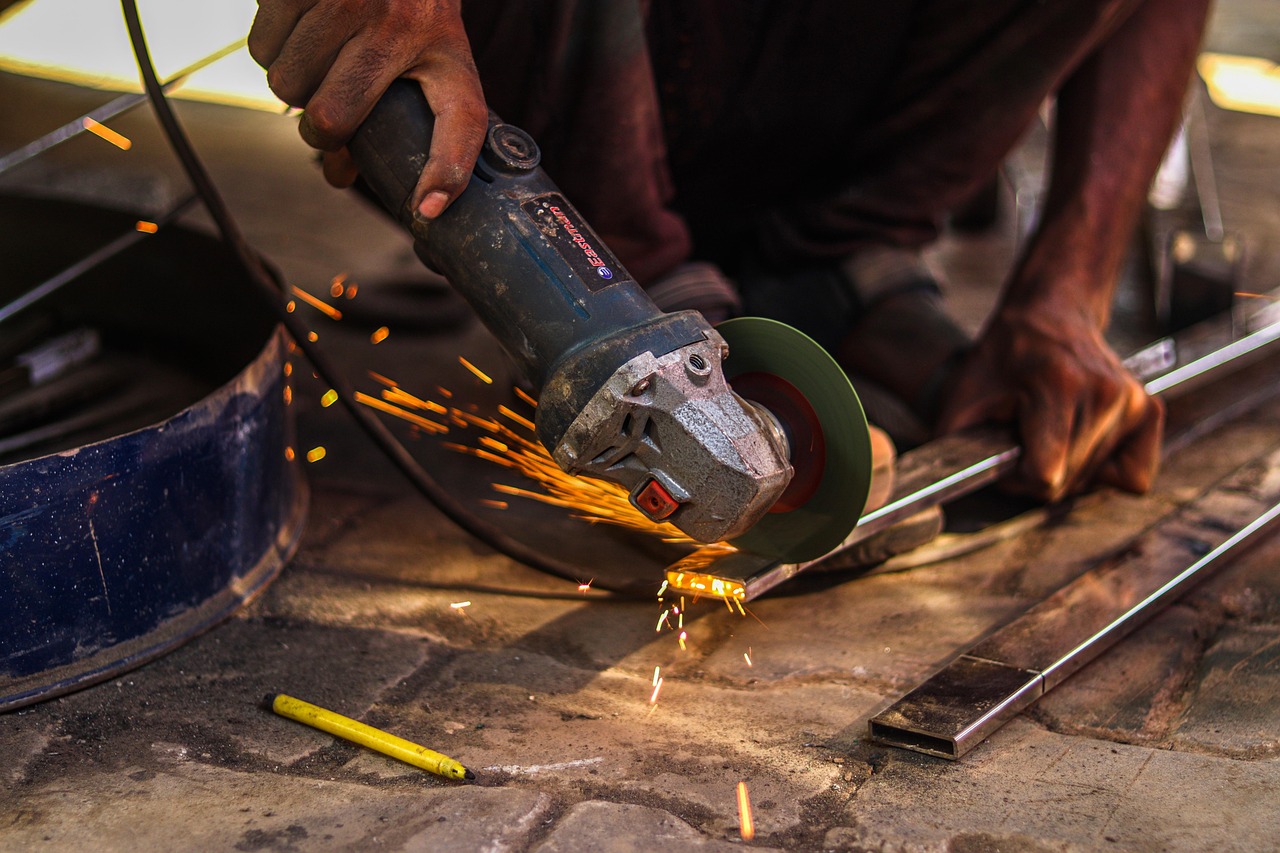
For most shops, the practical question is straightforward: do you need a low-cost saw for rough cutoff work, or cleaner miters that reduce grinding and fit-up time? Abrasive saws still have a place in general maintenance and cutoff work. Cold-cut carbide or cermet machines are usually the better fit when accuracy, edge finish and repeatability matter.
Why a metal cutting saw is not just a wood miter saw with a different blade
A woodworking miter saw and a metal cutting saw may share the same pivoting layout, but they are not equivalent machines. A saw intended for metal cutting is typically designed around different blade speed, guarding, chip or spark behavior, workholding and motor loading. Many wood saws run at speeds suited to wood blades, while metal cutting carbide blades often require lower surface speed and a different tooth geometry. Abrasive wheels also introduce wheel-burst, spark and dust risks that the original wood saw guard, base and clamp may not be designed to manage.
Workholding is the other major difference. Metal stock is dense, hard and often irregular. If a tube, angle or short offcut rotates during the cut, the blade can grab the material and damage the saw or eject the workpiece. Dedicated metal cutting machines normally use a vise, clamp or fence system that fixes the workpiece before the blade enters the cut. That is not a convenience feature; it is part of the cutting system.
OSHA guidance on machine guarding focuses on protecting operators from hazards such as the point of operation, rotating parts, flying chips and sparks. OSHA’s abrasive wheel requirements also address guarding and wheel exposure on abrasive equipment. In shop terms, this means a metal cutting setup should be evaluated as a complete machine, not as a simple blade swap.
Abrasive chop saws versus cold-cut metal miter saws
The two most common shop options are abrasive chop saws and cold-cut saws with toothed blades. Both can cut steel, but they remove material in different ways. An abrasive saw grinds through the workpiece with a bonded wheel. A cold-cut saw uses a toothed metal cutting blade, often carbide-tipped or cermet-tipped, to shear chips from the workpiece. That difference affects heat, burr formation, noise, dust, blade life and downstream finishing.
| Factor | Abrasive chop saw | Cold-cut metal miter saw |
|---|---|---|
| Cutting action | Grinding with an abrasive wheel | Chip-forming cut with a toothed blade |
| Typical finish | More heat discoloration, burr and cleanup | Cleaner edge when blade and feed are correct |
| Consumable behavior | Wheel diameter reduces as it wears | Blade keeps diameter, but teeth can dull or chip |
| Work area | More sparks and abrasive dust | More chips, usually less spark on mild steel |
| Best fit | Rough cutoff, mixed maintenance work, lower entry cost | Repeatable miters, tube frames, cleaner fit-up |
Canadian Centre for Occupational Health and Safety guidance describes hot metal saws, often called cut-off saws or chop saws, as machines that use abrasive cut-off wheels. It also emphasizes reading the owner’s manual, training, appropriate personal protective equipment and allowing mounted wheels to run at operating speed with guards in place before cutting. Those points matter because abrasive cutting depends on a consumable wheel operating under high stress.
Cold-cut saws are not automatically safer or better in every situation. They require the correct blade for the alloy and wall thickness, firm clamping, controlled feed pressure and protection from chips. A carbide-tooth blade that works well on mild steel tube may be a poor choice for hardened material, contaminated scrap or unsupported thin sections. The advantage appears when the shop can control the material and needs straighter, cleaner, more repeatable cuts.
How to choose the right saw for shop use
Start with the material, not the catalog photo. A shop cutting thin-wall mild steel tube for welded frames has different requirements from a maintenance department cutting random bolts, stainless scrap and painted channel. The more repeatable the work, the more value there is in a rigid metal cutting miter saw with accurate angle stops, a stable fence and a blade matched to the material.
Match the saw to the stock shape
Round tube, square tube, angle iron and channel do not support the blade in the same way. Thin-wall tube can vibrate if the blade pitch is too coarse or the clamp does not support the section. Angle iron may need careful orientation so the blade does not enter an unsupported edge that can chatter. Channel and rectangular tube may require a slower, more deliberate feed to reduce tooth shock.
Before buying, compare the saw’s rated capacity at 90 degrees and at the miter angles you use most often. A saw that easily cuts a square tube at 90 degrees may have much less usable capacity at 45 degrees. If most work involves 45-degree frame corners, the 45-degree capacity is the number that matters.
Check blade speed and blade approval
The blade must be approved for the saw’s speed, arbor size, guard design and material. Do not assume that a blade is suitable just because it fits the arbor. Manufacturer manuals and blade labels should control the decision. Norton Abrasives’ chop saw wheel guidance, for example, warns against excessive downward pressure and against cutting non-approved materials with an abrasive chop-saw wheel. That advice reflects a broader rule: the wheel or blade is part of a rated system.
For toothed metal blades, tooth count, hook angle, carbide grade and maximum rpm all matter. For abrasive wheels, wheel type, diameter, rated speed, mounting condition and material approval matter. In both cases, an incompatible consumable can turn a normal cutoff operation into a failure mode.
Look for practical accuracy features
A good metal cutting miter saw should make repeatability easy. Useful features include a rigid base, positive miter detents, a readable angle scale, a clamp that does not shift while tightening, support for longer stock and a clear line of sight to the cut. For production-style work, a length stop or repeat stop can save more time than a larger motor because it reduces measuring and marking errors.
Accuracy also depends on maintenance. A loose pivot, worn vise screw, damaged fence or blade with missing teeth can make a quality saw behave like a rough cutoff tool. Shops that rely on mitered joints should check squareness and angle calibration periodically rather than waiting until parts no longer fit.
Cut quality, heat and fit-up considerations
Cut quality is not just cosmetic. Burrs and angled faces affect weld gap, fixture alignment and assembly time. Abrasive cutting often leaves more heat-affected discoloration and burr because the process grinds through the stock. That may be acceptable if the part will be ground, beveled or trimmed later. It is less attractive when the cut face is part of the final fit-up. See also: CNC Machining.
Cold-cut machines often leave a cooler, cleaner edge because the blade forms chips rather than converting much of the cut into abrasive dust and heat. Manufacturer literature for metal cutting saws frequently emphasizes reduced sparks, cleaner edges and less rework compared with abrasive cutting. Treat those statements as product claims that depend on the right blade, feed pressure and material; they are not a guarantee that every cold-cut saw will outperform every abrasive saw in every shop.
For welded frames, the bigger value is often consistency. If four 45-degree cuts repeat accurately, the frame squares faster and needs less clamping force to close gaps. For maintenance cutting, speed and tolerance may matter less than versatility and consumable cost. The saw choice should reflect actual workflow, not a single headline feature.
Safe operating practices that affect performance
Safety and cut quality overlap. A workpiece that is not clamped securely is both dangerous and inaccurate. A blade forced through the cut can overheat, deflect or shed teeth. An abrasive wheel pushed too hard can glaze, wander or fail. The Health and Safety Executive’s abrasive wheel guidance highlights training, wheel characteristics, mounting, guards and protective equipment as core parts of safe wheel use. Those topics are directly relevant to chop saw work.
- Read the saw and blade manufacturer instructions before changing material or consumable type.
- Confirm that the guard moves freely and covers the blade or wheel as intended.
- Clamp the workpiece against the fence; do not hand-hold short or irregular metal stock.
- Support long stock so it does not lift, twist or pinch the blade near the end of the cut.
- Let the blade reach full speed before entering the material.
- Use steady feed pressure instead of forcing the head down.
- Wait for the blade or wheel to stop before lifting, measuring or removing offcuts.
- Separate abrasive dust or hot sparks from flammables, coatings, solvent areas and finished equipment.
Personal protective equipment should be selected for the actual hazard: eye and face protection for chips and sparks, hearing protection for high noise, gloves that do not create entanglement risks during setup, and respiratory controls where dust or fumes are present. PPE does not replace guards, clamps or correct consumables.
Common buying mistakes to avoid
The first mistake is buying only for blade diameter. A larger blade may increase capacity, but it does not automatically improve miter accuracy, clamp quality or edge finish. For angled fabrication work, rigidity and workholding often matter more than headline capacity.
The second mistake is treating every metal the same. Mild steel, stainless steel, aluminum, brass and hardened steel behave differently. Some materials load abrasive wheels; others can grab toothed blades if the tooth geometry is wrong. When cutting aluminum, for example, blade selection, chip clearance and clamping deserve special attention because soft nonferrous material can behave very differently from mild steel tube.
The third mistake is ignoring cleanup. Abrasive saws create dust and sparks that can spread through a small shop. Cold-cut saws create chips that must be contained, swept and kept away from slides, electrical cabinets and finished surfaces. Neither process is mess-free; they simply create different waste streams.
The fourth mistake is assuming one saw will replace every other cutting method. Band saws are often better for quieter straight cuts and bundled stock. Abrasive saws can be useful for rough, dirty cutoff work. Cold-cut miter saws are strong where angle accuracy and clean fit-up matter. Plasma, laser, waterjet and CNC saw systems serve different production needs. For more process comparisons across shop cutting methods, see Mechmeld’s cutting and tooling coverage.
Frequently asked questions
Can you put a metal cutting blade on a wood miter saw?
Only if the saw and blade manufacturers specifically approve that combination. In many cases, the speed, guard, clamp and chip-control design of a woodworking miter saw are not intended for steel cutting. A blade that physically fits the arbor is not enough evidence that the setup is safe or suitable.
Is a cold-cut saw the same as an abrasive chop saw?
No. An abrasive chop saw cuts by grinding with a bonded wheel, while a cold-cut saw uses a toothed blade to form chips. The two machines may look similar, but they differ in cutting action, heat, consumables, debris and typical cut finish.
What blade should be used for a metal cutting miter saw?
Use the blade or wheel type specified by the saw and blade manufacturer for the exact material and speed. For toothed blades, check material rating, tooth count, hook angle, arbor size and maximum rpm. For abrasive wheels, check wheel type, diameter, rated speed, mounting condition and approved materials.
Why are my miter cuts not square or repeatable?
Common causes include a loose pivot, inaccurate miter scale, worn fence, weak clamping, unsupported long stock, blade deflection, tooth damage or excessive feed pressure. Verify the saw mechanically before blaming the operator or changing the blade.
Which saw is better for a small fabrication shop?
If the shop mainly makes welded frames, brackets and repeatable angled parts, a dedicated cold-cut metal miter saw is often the more productive choice because it can reduce cleanup and improve fit-up. If the shop performs rough cutoff on mixed material and budget is the priority, an abrasive chop saw may still be practical.