
What Are The Latest Forklift Innovations Transforming Global Logistics
Emerging Trends in Forklift Technology
The forklift industry is undergoing a major transformation, shaped by sustainability goals, automation, and digital integration. As logistics networks grow more complex, forklifts are evolving from simple lifting machines into intelligent, connected assets that drive productivity and safety. You can already see this shift in the way warehouses invest in electric fleets and data-driven management systems. This article explores the most significant trends redefining forklift technology today.
Electrification and the Shift Toward Sustainable Operations
The global logistics sector is moving rapidly toward electrification to meet emission targets and lower operating costs. Electric forklifts have become a cornerstone of this transition because they produce zero tailpipe emissions and operate quietly indoors. Lithium-ion battery technology has pushed performance further, allowing longer shifts with shorter charging times compared to traditional lead-acid batteries. In practice, this means less downtime and more consistent power output throughout each shift.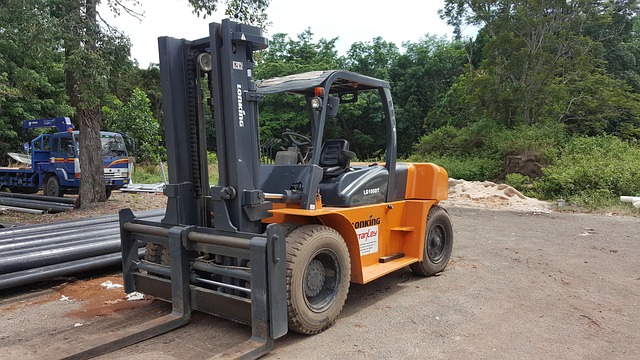
Charging infrastructure has also improved significantly. Modern fast-charging stations can replenish up to 80% of a battery’s capacity in under an hour, making it easier for you to keep fleets running continuously without swapping batteries. Companies managing multiple warehouses now integrate smart chargers with fleet management software to balance energy use during peak hours.
Automation and Autonomous Forklift Systems
Automation is no longer an experimental concept—it’s becoming standard practice in high-volume logistics centers. Autonomous forklifts equipped with navigation sensors and cameras can map their surroundings, identify optimal routes, and move goods without manual control. These systems help reduce bottlenecks in storage areas where space is tight or traffic is heavy.
AI-driven obstacle detection enhances safety by allowing forklifts to react instantly when pedestrians or other vehicles cross their path. In repetitive tasks such as pallet stacking or order replenishment, autonomous forklifts deliver consistent precision that manual operation often can’t match. For large distribution hubs handling thousands of pallets daily, these machines cut labor costs while maintaining round-the-clock efficiency.
Connectivity and Data-Driven Fleet Management
The next frontier for forklift operations lies in connectivity—using real-time data to manage performance across entire fleets. By connecting forklifts through IoT platforms, you gain visibility into every aspect of their operation.
Internet of Things (IoT) Integration in Forklift Operations
IoT sensors collect continuous data on vehicle health, energy use, load weights, and operator behavior. This information feeds into centralized dashboards where managers can monitor multiple sites simultaneously. Predictive analytics based on this data help identify wear patterns before failures occur, reducing unplanned downtime. For instance, vibration sensors can detect early signs of motor imbalance or hydraulic leaks long before they cause breakdowns.
Telematics for Performance Optimization
Telematics systems take data analysis a step further by correlating driving habits with energy efficiency or maintenance frequency. If certain operators consistently consume more power per hour or handle loads roughly, telematics makes it visible so training can be adjusted accordingly. When integrated with warehouse management software (WMS), telematics also helps coordinate forklift dispatching—matching available units to priority tasks automatically—which improves throughput without expanding fleet size.
Safety Enhancements Through Smart Technology
Safety remains one of the top priorities in forklift design because accidents can lead to serious injuries and costly downtime.
Advanced Collision Avoidance Systems
Modern forklifts now include proximity sensors that detect obstacles from several meters away and trigger audible or visual warnings for operators. Camera-based detection expands visibility around blind corners or behind high stacks of goods where traditional mirrors fall short. Some models even connect these systems to automated braking functions that stop the vehicle if an imminent collision is detected—an extra layer of protection especially useful in crowded loading docks.
Ergonomic Design Innovations for Operator Well-being
Operator comfort directly influences productivity over long shifts. Manufacturers are redesigning cabins with adjustable controls, suspended seats, and better air circulation systems to minimize fatigue. Vibration-damping mounts reduce strain on wrists and backs during continuous operation on uneven floors. Improved sightlines through slimmer masts and transparent roof panels give drivers clearer views when stacking at height—reducing both stress and accident risk.
Energy Efficiency and Powertrain Developments
Sustainability isn’t just about switching to electric; it’s also about exploring alternative fuels and hybrid systems that fit different operational needs.
Hydrogen Fuel Cell Forklifts as an Alternative Energy Source
Hydrogen fuel cell forklifts are gaining traction because they combine zero-emission operation with rapid refueling—typically under three minutes per tank compared to hours for battery charging. Large distribution centers value this speed since it keeps vehicles active during peak demand periods. The growing hydrogen infrastructure across Europe, Japan, and North America supports broader adoption as companies align logistics operations with carbon reduction goals.
Hybrid Power Systems for Flexible Operations
Hybrid forklifts blend internal combustion engines with electric drives to maintain flexibility across indoor-outdoor environments or heavy-duty cycles where pure electric models may struggle. Energy recovered during braking or lowering loads is stored for reuse, improving fuel economy while extending component life spans. For businesses transitioning gradually toward full electrification, hybrids offer a practical middle ground between sustainability and reliability.
Integration with Smart Warehousing Ecosystems
Forklifts are no longer isolated assets—they’re integral parts of larger automated ecosystems where robots, conveyors, and software communicate seamlessly.
Forklifts as Part of Automated Warehouse Networks
In smart warehouses, forklifts exchange data with robotic picking systems to coordinate movement paths efficiently. When integrated with WMS platforms, they receive real-time task assignments based on inventory priorities or delivery schedules. Location tracking through RFID tags ensures materials flow smoothly from inbound docks to storage racks without unnecessary idle time—a critical factor when managing thousands of SKUs daily.
Predictive Maintenance Through AI Analytics
AI models trained on historical usage data can forecast component wear before it leads to costly failures. Maintenance becomes proactive: parts are replaced based on predicted lifespan rather than fixed intervals. Some advanced facilities even use digital twins—virtual replicas of physical assets—to simulate operational scenarios like peak-season demand surges or layout changes before implementing them physically.
Global Market Implications of Forklift Innovations
Technological progress affects not only equipment design but also market dynamics across regions.
Regional Adoption Patterns Across Logistics Hubs
Asia-Pacific leads global adoption thanks to its manufacturing expansion and aggressive investment in automation technologies across China, Japan, and South Korea. European markets emphasize sustainability initiatives driving widespread electrification programs supported by government incentives for low-emission equipment. Meanwhile, North American logistics operators focus heavily on telematics integration to scale multi-site operations efficiently while maintaining safety compliance standards like OSHA’s powered industrial truck regulations (29 CFR 1910 Subpart N).
The Evolving Role of Manufacturers and Technology Providers
Forklift OEMs increasingly collaborate with software developers to create unified ecosystems combining hardware reliability with intelligent analytics platforms. R&D efforts now target modular designs adaptable across industries—from retail distribution centers to port terminals—allowing faster customization cycles without redesigning entire product lines. Strategic partnerships between manufacturers, AI startups, and cloud service providers are shortening innovation timelines globally while setting new benchmarks for smart material handling solutions.
FAQ
Q1: What advantages do electric forklifts offer over diesel models?
A: Electric forklifts produce zero emissions at the point of use, operate quietly indoors, require less maintenance due to fewer moving parts, and benefit from advances in lithium-ion batteries that extend runtime while reducing charging downtime.
Q2: How do autonomous forklifts navigate safely within warehouses?
A: They use lidar sensors, cameras, and onboard mapping algorithms that allow them to detect obstacles dynamically while following pre-defined routes optimized by AI-based path planning software.
Q3: What role does IoT play in forklift fleet management?
A: IoT enables real-time tracking of performance metrics such as energy consumption or mechanical wear across entire fleets through connected sensors feeding data into centralized monitoring dashboards.
Q4: Why are hydrogen fuel cell forklifts becoming popular?
A: They refuel much faster than battery-powered units—typically within minutes—and provide consistent power output suitable for heavy-duty continuous operations while supporting corporate sustainability goals.
Q5: How does predictive maintenance improve warehouse efficiency?
A: By using AI analytics on operational data patterns to forecast when components will fail so maintenance teams can act early—avoiding unexpected breakdowns that interrupt workflow continuity.