
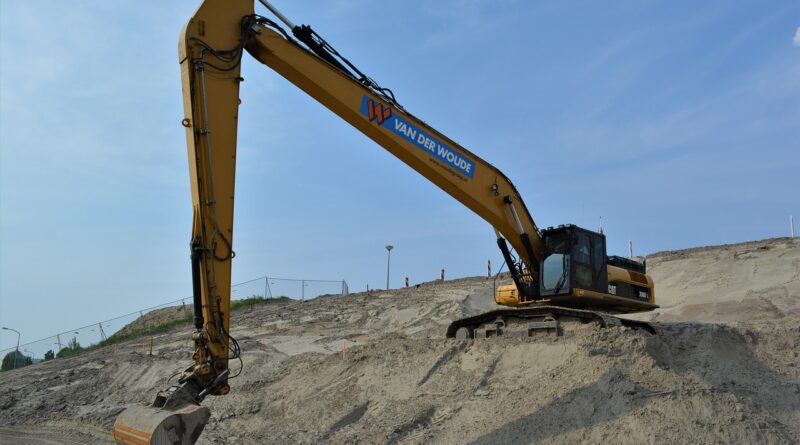
Cat excavators guide for size classes, technology and buying decisions
What contractors should know first
Cat excavators are a broad family of hydraulic excavators, not a single machine type. They are built for different working envelopes, transport limits, production targets and technology requirements. For buyers and fleet managers, the practical question is not whether a Cat machine is familiar on a jobsite. It is which size class, configuration and technology package can do the work without adding avoidable cost.
As of October 2026, Caterpillar’s public product materials show a continued shift toward integrated grade control, payload data, fleet visibility and simpler machine setup across excavator sizes. That makes selection less about horsepower alone and more about matching digging depth, lift stability, hydraulic flow, attachment use, operator skill and dealer support to the work being done.
This guide focuses on the decision points behind Cat excavators for construction, utilities, site preparation, quarry support and general earthmoving. For more machinery comparisons and equipment coverage, visit the Equipment & Machines section.
How Cat excavators fit different jobsite needs
The right excavator size starts with the jobsite, not the model badge. A machine that is too small may need more passes, longer cycle times and more repositioning. A machine that is too large can raise transport cost, restrict access and damage finished surfaces. Contractors should begin with trench depth, reach, lifting requirement, truck loading height, ground conditions and site congestion.
| Excavator type | Where it usually fits | Selection risk to check |
|---|---|---|
| Mini and compact excavators | Utility work, landscaping, small foundations, urban repair, tight residential or municipal sites | Limited lift capacity, attachment flow and reach compared with larger machines |
| Small to mid-size crawler excavators | General excavation, trenching, roadwork support, grading and small production work | Choosing by weight only while ignoring hydraulic flow, tail swing and transport rules |
| Medium excavators | Mainstream site development, truck loading, deeper trenching, demolition support and heavy utility work | Overlooking bucket match, undercarriage width, fuel use and operator technology needs |
| Large excavators | Mass excavation, quarry support, heavy loading and demanding production cycles | High ownership cost if utilization is inconsistent or haulage is undersized |
| Wheeled excavators | Road maintenance, urban work and jobs requiring mobility between nearby tasks | Less suitable than crawlers where flotation, traction or severe ground conditions dominate |
The table is practical rather than exhaustive. Caterpillar offers multiple excavator families and regional configurations, and availability varies by market. When comparing two nearby size classes, contractors should calculate expected cycle time, bucket size, truck match and trailer requirements before assuming the larger machine will automatically be more profitable.
Recent Cat excavator updates point toward easier control
Recent Caterpillar excavator updates show where the product direction is moving. In a May 27, 2025 trade press release, Caterpillar announced annual product updates for Cat hydraulic excavators covering small, medium and large excavators, plus material handlers, wheeled excavators, forestry machines and specialty machines. The release said Cat Grade with Advanced 2D features and functions were being integrated into standard Cat Grade with 2D on 2025 model builds. It also highlighted a new user interface and an Advanced Payload option for Cat track excavators.
The point is not simply that more electronics are being added. Guidance, weighing and interface features are being positioned as productivity tools, not optional novelties. For crews dealing with operator shortages or tighter tolerance requirements, built-in assistance can reduce rework and help less experienced operators work more consistently. It still depends on sound site control, trained operators and correct machine setup.
Caterpillar also announced updates on October 7, 2025 for its 5- to 10-tonne mini hydraulic excavators. The company said the 305 CR compact radius model would offer ease-of-use E-Fence and Indicate features for certain software-enabled attachment versions. The same announcement said the 308 CR, 309 CR and 310 mini excavators were moving to a Cat C2.8 engine with the same ratings and performance as the previous Cat C3.3B power unit. For owners, these updates matter because compact machines are often used for precision work near buildings, utilities, landscaping and traffic.
Reading Cat model positions without overbuying
Cat excavator buyers often compare GC, standard performance and premium technology configurations. Caterpillar describes GC machines as offering reliability with low operating costs and simpler technology. Its excavator family materials describe a performance model as sitting between the basic features of a GC and the premium features associated with XE models. In practical terms, the lowest purchase price is not always the lowest-cost machine, and the most advanced specification is not always the best fit.
A GC-type machine may be a logical choice for straightforward digging, rental applications, light to moderate duty cycles or owners who prefer simple controls and lower acquisition cost. A higher-feature performance configuration may make more sense when crews need grade technology, payload management, heavier production, more demanding attachments or repeatable setup across several operators.
The decision should be tied to measurable work. If a crew is digging simple drainage trenches in open ground, complex 3D control may not pay back quickly. If the same crew is cutting pads, slopes or utility grades where rework is expensive, grade assistance can be easier to justify. Fleet managers should also consider whether operators will actually use the features. A technology package that is not understood, calibrated or built into the daily workflow becomes cost rather than value.
Technology features that change excavator selection
Modern Cat excavators are increasingly selected as connected work platforms. Caterpillar’s current 320 product information, for example, lists Cat Grade with 2D, Cat Assist, Cat Payload, VisionLink, Remote Flash, Remote Troubleshoot and work tool recognition among available or listed technology items depending on configuration. The key is to understand what each system does and where its limits are.
Grade control and assist features
Cat Grade with 2D is designed to help operators work to target depth and slope with visual guidance, while 3D configurations can connect machine work to digital site designs. Grade Assist, Boom Assist, Bucket Assist and Swing Assist are intended to automate or stabilize specific machine movements. These features are most useful when the project has repeatable grade targets, documented designs and operators who will trust the display instead of repeatedly overdigging.
Payload and production tracking
Cat Payload provides onboard weighing guidance intended to help operators load closer to target payloads and reduce underloading or overloading. Caterpillar notes that payload technologies are not legal for trade, so they should not be treated as a certified scale for commercial transactions. Their value is operational: better loading consistency, clearer production visibility and fewer inefficient haul cycles.
Fleet visibility and remote support
VisionLink is Caterpillar’s fleet management platform for location, utilization, maintenance and operational information. Caterpillar describes it as supporting Cat fleets and mixed fleets through supported telematics providers. For excavator owners, this can help identify idle time, underused machines, service needs and location issues. The operational benefit depends on whether the company acts on the data rather than simply collecting it. See also: CNC Machining.
Spec checkpoints before choosing a Cat excavator
Specifications need context. A useful example is the Cat 320, one of the best-known medium-size reference points in the market. Caterpillar’s official 320 Tier 4 and Stage V product specifications list 172 hp net power under ISO 9249, an operating weight of 49,800 lb, or 22,600 kg, and a maximum digging depth of 22 ft, or 6,720 mm. The same product information lists a Cat C4.4 engine and emissions compliance with U.S. EPA Tier 4 Final and EU Stage V standards. Those figures are useful, but they do not answer every buying question.
Before selecting any Cat excavator, check these items together:
- Operating weight and transport: Confirm trailer capacity, permits, bridge limits and whether the machine can move between jobs without excessive cost.
- Digging depth and reach: Match the stick and boom configuration to actual trench depth, truck height and setback needs.
- Lift capacity and stability: Review lift charts with the intended bucket, coupler, thumb or tool installed, not with an idealized bare machine.
- Hydraulic flow and pressure: Attachments such as hammers, thumbs, grapples, mulchers and compactors may require specific auxiliary circuits.
- Tail swing and jobsite access: Compact radius or reduced radius configurations may be worth the tradeoff in confined urban or roadwork settings.
- Undercarriage choice: Track width, shoe type and ground pressure affect flotation, slope work, pavement impact and long-term undercarriage cost.
- Fuel and emissions requirements: Current Cat diesel engines may require ultra-low sulfur diesel, and Caterpillar lists compatibility for certain lower-carbon fuel blends under stated conditions.
- Dealer support: Parts access, mobile service, telematics support and technician availability can strongly affect uptime.
The common mistake is comparing machines by brochure weight or advertised horsepower alone. Hydraulic response, attachment compatibility, operator visibility, service access and dealer support can be just as important in day-to-day productivity.
Ownership economics should include utilization and risk
Buying a Cat excavator is not only a capital expense decision. It is also a utilization decision. A machine that works steadily in high-value applications can justify a higher specification more easily than a machine used occasionally for simple digging. Contractors should compare purchase, rental and used-equipment options against expected annual hours, job duration, maintenance capability and project pipeline.
Owning can make sense when the machine is central to repeat work, operators are trained on the platform and the company can maintain it properly. Renting may be better for short-term size needs, unfamiliar applications or seasonal peaks. Used machines can reduce acquisition cost, but they require closer inspection of undercarriage wear, hydraulic leaks, boom and stick condition, attachment history, emissions system condition and service records.
Technology subscriptions, grade licenses, telematics use and payload reporting should also be considered as part of ownership cost. These tools can add value when they reduce rework, document production, improve maintenance planning or help managers redeploy underused assets. They should be evaluated with the same discipline as a bucket, coupler or hydraulic attachment: what problem does it solve, how often will it be used and who is responsible for keeping it accurate?
Frequently asked questions
Are Cat excavators the right choice for every project?
No single brand or machine size is right for every project. Cat excavators are widely used across construction and earthmoving, but the best choice depends on application, dealer support, operator preference, attachment needs, total cost and local availability.
What is the difference between a Cat GC excavator and a performance model?
Caterpillar positions GC machines around lower operating costs and simpler technology, while performance models sit between GC and more premium configurations. A GC machine can be a sensible fit for straightforward digging, while a higher-feature model may be better for grade control, payload work, demanding cycles or advanced attachments.
Does Cat Payload replace a certified scale?
No. Caterpillar states that payload technologies are not legal for trade. They are useful for operational loading guidance, production awareness and reducing underloading or overloading, but they should not be used as a certified commercial weighing system.
Should contractors choose 2D or 3D grade control?
2D grade control is often enough for depth, slope and simpler trenching or grading tasks. 3D grade control is more appropriate when work is tied to digital site models, complex surfaces or tighter documentation needs. The right choice depends on project complexity, survey workflow and operator training.
Is the Cat 320 a good benchmark when comparing excavators?
Yes, the Cat 320 is a useful medium-excavator benchmark because its published specifications provide a familiar reference point for weight, power and digging depth. However, buyers should compare the exact configuration, attachments, undercarriage and technology package rather than assuming all machines in the same weight class will perform the same.