
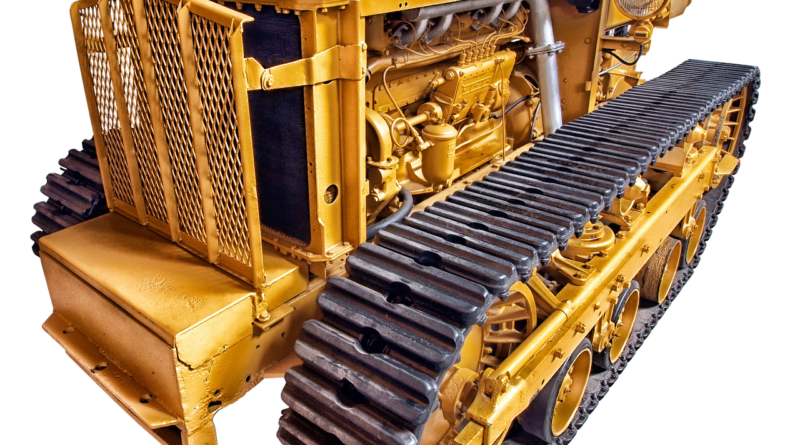
Dozer machine guide for earthmoving, grading and site preparation
What a dozer machine does
A dozer machine, often called a bulldozer or crawler dozer, is a heavy earthmoving machine built to push, cut, spread and shape material with a large front blade. On construction, roadbuilding, mining, forestry and land development sites, it is commonly used for rough grading, clearing, backfilling, stockpile work, embankment shaping and short-distance material movement. It does not replace an excavator for deep digging or a motor grader for fine road finishing, but it remains one of the most useful machines for turning uneven ground into a workable surface.
For readers comparing heavy equipment categories, the main point is straightforward: a dozer combines tractive force with blade control. Tracks or wheels provide grip, the engine and drivetrain deliver pushing power, and the blade turns that power into production. More equipment explainers can be found in the Equipment & Machines section.
How a dozer machine is built
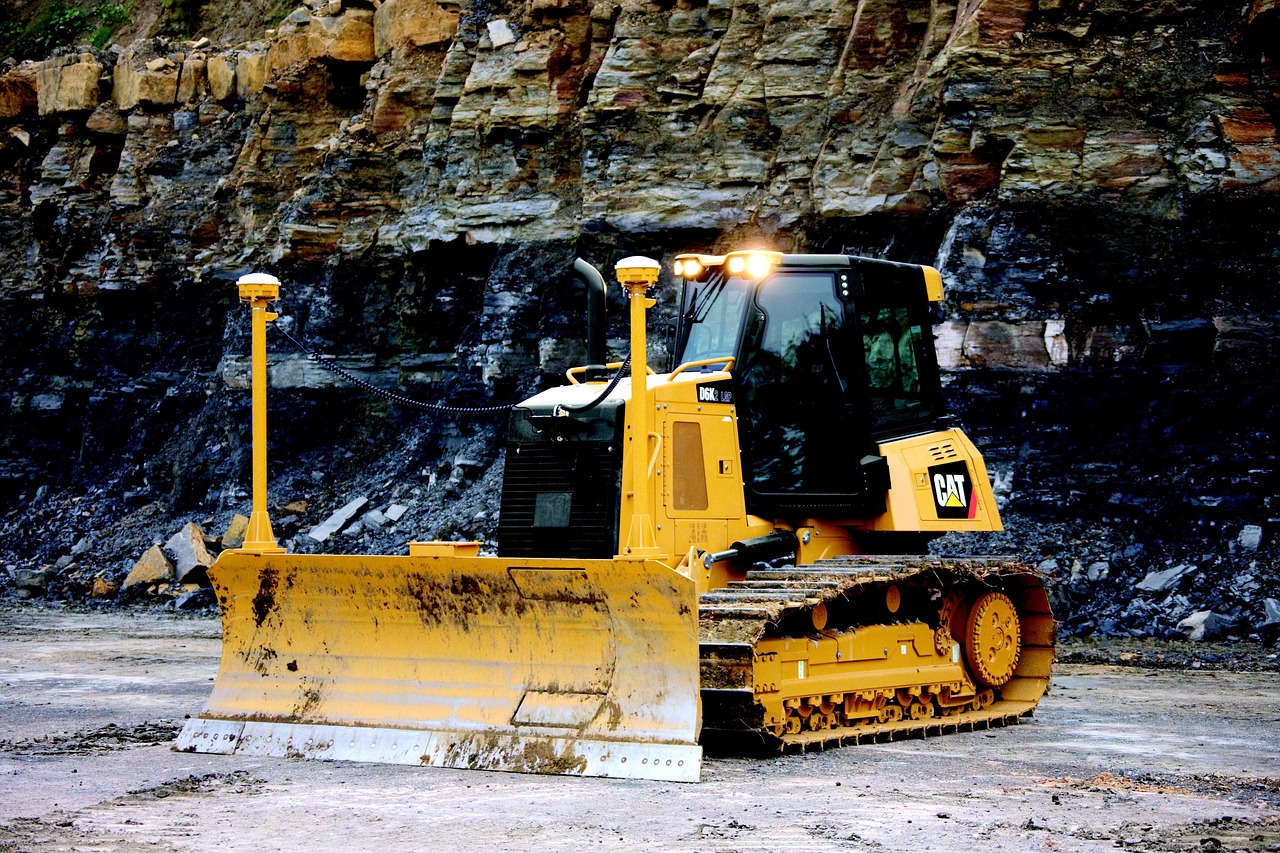
Most dozers follow the same basic layout, even when their size, blade configuration and technology package vary. The lower structure carries the machine, the powertrain produces drawbar pull, and the front blade does the visible work. On crawler models, the undercarriage includes tracks, rollers, idlers, sprockets and shoes. On wheel dozers, rubber tires replace the track frame and improve travel speed on suitable surfaces.
The major systems are:
- Engine and cooling system: Modern diesel engines provide torque for pushing and must control heat during high-load, low-speed work.
- Transmission or hydrostatic drive: The drive system converts engine output into controllable ground speed and drawbar pull.
- Blade and hydraulic cylinders: Lift, tilt, angle and pitch functions determine how precisely the operator can cut, carry or spread material.
- Undercarriage or tires: This system affects ground contact, flotation, traction and a large share of lifetime maintenance cost.
- Cab and controls: Visibility, seat quality, display layout, camera systems and joystick control influence operator fatigue and productivity.
- Rear attachment: A ripper, winch or drawbar may be fitted depending on the job.
Current product literature from Caterpillar, Komatsu and John Deere positions dozers less as simple pushing tractors and more as integrated earthmoving platforms. Blade automation, slope indicators, grade control readiness and telematics are now part of many buying discussions, especially for contractors working to tighter tolerances with fewer experienced operators available.
Crawler dozer vs wheel dozer
The crawler dozer remains the main choice for demanding earthmoving because steel tracks distribute machine weight over a larger contact area and maintain traction in soft, rough or sloped ground. Tracks help the machine stay stable while pushing heavy material, climbing stockpiles, shaping embankments or working in mud, sand and loose fill.
A wheel dozer uses large rubber tires and is usually selected where mobility, travel speed and hard-surface operation matter more than maximum traction. Wheel models can be useful in mining yards, quarries, stockpile management, port operations and large industrial sites where the ground is firm enough to support tire loads.
| Factor | Crawler dozer | Wheel dozer |
|---|---|---|
| Ground contact | Steel tracks spread machine weight and improve flotation | Rubber tires concentrate load but travel faster on firm ground |
| Typical work | Clearing, grading, cutting, slope work and rough terrain | Stockpile work, cleanup, yard maintenance and longer site travel |
| Traction | High traction in soft or uneven material | Good on prepared surfaces but limited in deep mud or loose soil |
| Maintenance focus | Undercarriage wear, track tension and shoe selection | Tire wear, cuts, inflation and surface damage |
The choice should start with ground conditions, not brand preference. A fast wheel dozer loses value if it cannot put power to the ground. A crawler dozer is also less efficient when the job requires frequent long-distance travel across paved or well-compacted areas.
Blade types and what they change
The blade is the working end of the dozer machine, and the wrong blade can make even a powerful tractor feel inefficient. Caterpillar blade guidance lists common choices such as universal, semi-universal, straight, angle and variable pitch power angle tilt blades. Names vary slightly by manufacturer, but the application logic is similar.
Straight blade
A straight blade, often called an S blade, is compact and maneuverable. It generally penetrates well and is useful for grading, backfilling and work in denser materials where control matters more than carrying a large rolling load.
Universal blade
A universal or U blade has a taller curved moldboard and larger side wings. It is intended to carry more material in front of the machine, making it useful for stockpile work, reclamation and moving lighter material over short distances.
Semi-universal blade
A semi-universal or SU blade sits between the S and U designs. It balances penetration with load retention and is common on larger production dozers where the job involves both cutting and carrying material.
Angle and PAT blades
Angle blades can cast material to one side, which helps with backfilling, ditching and pioneering work. Power angle tilt, or PAT, blades add hydraulic angle and tilt adjustment, making them especially useful on site development, road shoulders, house pads and finish grading where blade versatility saves repositioning time.
Where dozers add the most value
A dozer is most productive when the task matches its strengths: high traction, controlled blade force and repeated passes across a work area. Common applications include:
- Site clearing: Removing brush, shallow stumps, debris and loose material before excavation or foundation work begins.
- Rough grading: Cutting high areas and filling low spots to create a workable building pad or road subgrade.
- Roadbuilding: Spreading fill, building embankments and supporting haul road maintenance before final grading.
- Backfilling: Returning material around trenches, retaining structures or foundations after installation work.
- Mining and quarry support: Maintaining dumps, cleaning benches, pushing stockpiles and supporting loading areas.
- Forestry and land improvement: Clearing access paths, pushing slash and shaping drainage features when fitted with suitable guarding or attachments.
A dozer is less efficient when material must be moved over long distances. In those cases, loaders, scrapers, trucks or articulated haulers usually handle the hauling, while the dozer prepares, spreads or trims the area. In practice, a dozer should be evaluated as part of the full earthmoving system rather than as an isolated machine.
Technology is changing dozer operation
Dozer productivity used to depend heavily on operator feel. Skilled operators still matter, but current machines increasingly use sensors, displays and control software to help operators reach target grade with fewer corrections. Caterpillar describes technologies such as Slope Assist, Steer Assist, Stable Blade, Blade Load Monitor and Auto Carry on selected models. John Deere promotes Slope Control and SmartGrade packages on crawler dozers. Komatsu markets dozers with Intelligent Machine Control options for grading and production applications.
The practical benefit is not that the machine becomes autonomous in every condition. Instead, technology can reduce repetitive blade adjustments, give the operator clearer slope information and help maintain consistent surfaces. Two-dimensional systems may hold blade slope without relying on satellite positioning. Three-dimensional grade control can work from a digital design model, which is valuable on pads, roads and complex contours where rework is costly. See also: CNC Machining.
There are limits. Grade control depends on calibration, site data quality, sensor condition and operator understanding. It also adds cost and may require support from dealers or technology specialists. For a small contractor doing mostly clearing and rough push work, a simple machine with a versatile PAT blade may be enough. For a site contractor working to tight elevation tolerances, integrated grade control can become a production tool rather than an optional luxury.
Emissions, safety and maintenance considerations
In the United States, the U.S. Environmental Protection Agency regulates nonroad compression-ignition diesel engines used in heavy equipment, including construction machines. EPA guidance updated in 2026 notes that the agency has adopted multiple tiers of standards, with Tier 4 rules requiring advanced emission-control technologies for new nonroad diesel engines. For buyers, that means engine aftertreatment, diesel exhaust fluid on many models, fuel quality requirements and service procedures should be part of ownership planning.
Safety is equally important. OSHA construction guidance identifies struck-by hazards involving vehicles and heavy equipment, advises seat belt use where required, and warns that blades and other raised components should be lowered or blocked when not in use. OSHA rules also address rollover protective structures for several types of construction equipment, including crawler tractors and rubber-tired dozers. These points matter because dozers often work near slopes, trucks, trenches, spotters and changing ground conditions.
Maintenance planning should start with the undercarriage. Caterpillar undercarriage guidance emphasizes regular cleaning, removing packed mud or debris, checking track tension, inspecting for loose bolts or leaking seals, and selecting the narrowest shoe that still provides adequate flotation. The reason is both mechanical and economic: the undercarriage is exposed to abrasive material every hour, and poor track tension or unnecessary track spin can accelerate wear while reducing production.
A practical daily checklist should include fluid levels, leaks, cutting edges, blade pins, hydraulic hoses, track condition, alarms, cameras, lights, backup alarm, mirrors and cab access points. Preventive maintenance does not make a dozer more glamorous, but it protects uptime and keeps the machine available when the earthmoving sequence depends on it.
How to choose the right dozer machine
Selecting a dozer should begin with job requirements rather than horsepower alone. More power can help, but oversizing raises owning cost, fuel use, transport complexity and ground disturbance. Undersizing leads to slow cycle times and excessive strain.
Use these questions before comparing models:
- What material will be moved? Loose sand, clay, gravel, blasted rock and landfill cover behave differently against a blade.
- How far will material be pushed? Longer push distances may require a different earthmoving method, not just a bigger dozer.
- What ground conditions are expected? Soft soils may need low ground pressure tracks; rocky conditions may need heavy-duty undercarriage options.
- How precise is the final surface? Rough clearing, pad grading and digital design grading require different technology levels.
- Which blade matches the work? PAT blades favor versatility, while SU and U blades favor production pushing in suitable material.
- How will the machine move between sites? Transport width, operating weight and trailer capacity can affect real operating cost.
- Who will operate it? Cab ergonomics, visibility and assist features matter more when crews include less experienced operators.
The best specification is the one that fits the work cycle. A mid-size crawler dozer with the right blade, tracks and grade package can outperform a larger machine that is difficult to transport, too heavy for the site or mismatched to the material.
Frequently asked questions
Is a dozer machine the same as a bulldozer?
In most construction and equipment discussions, yes. A bulldozer usually refers to a tractor-style earthmoving machine with a front blade. The term dozer machine is broader and may include crawler dozers and wheel dozers.
Can a dozer dig like an excavator?
No. A dozer can cut and push shallow layers of material, but it is not designed for deep vertical excavation. Excavators are better for trenching, basement cuts and loading trucks from below ground level.
What size dozer is right for site preparation?
Small and mid-size crawler dozers are common for site preparation because they balance grading control, transportability and pushing force. Large dozers are better suited to mining, heavy production earthmoving and large infrastructure work.
Why does undercarriage maintenance matter so much?
The undercarriage is constantly in contact with abrasive ground. Cleaning tracks, checking tension, limiting track spin and inspecting wear points can reduce avoidable downtime and help preserve machine value.
Do all modern dozers need GPS grade control?
No. GPS or 3D grade control is valuable for complex grading and tight design tolerances, but many clearing, backfilling and rough grading jobs can be handled with standard controls or simpler slope-assist systems.