
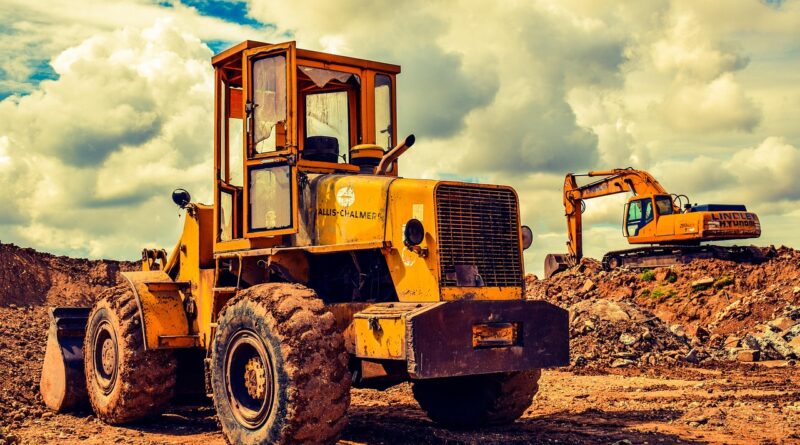
How Can You Buy Used Heavy Equipment Without Overpaying in 2026?
Buying used heavy equipment can make sense when you need more production capacity, but the deal has to be checked from several sides. The machine needs to fit the job, the papers need to be clean, and the likely repair cost needs to be in the price. For more machinery buying guides and equipment topics, visit the Equipment & Machines section.
The market is not moving in one straight line. In 2026, some earthmoving machines still keep solid value, while other machine groups drop when more units come into the market. That can help careful buyers, but it also means a cheap listing may be cheap for a reason. A worn undercarriage, a weak hydraulic pump, missing service records, or a freight bill you did not count can turn a good-looking deal into an expensive machine sitting in the yard. Nobody wants that parked behind the shop.
Is Used Heavy Equipment Still a Smart Buy in 2026?
Used machines are still worth looking at because construction work, public infrastructure, and fleet replacement keep demand moving. The goal is not to find the lowest number on a listing page. You need the right balance between purchase price, remaining working life, service access, and resale value.
Market Demand Has Not Gone Quiet
The U.S. Census Bureau estimated May 2026 construction spending at a seasonally adjusted annual rate of $2,210.2 billion, with public construction spending at $541.2 billion. That matters because roads, utilities, buildings, and site work still keep excavators, loaders, dozers, graders, and dump trucks working. Source: U.S. Census Bureau, July 2026 construction spending release.
New Machine Costs Keep Buyers Price Sensitive
New equipment pricing is still a pressure point for many buyers. The Producer Price Index for construction machinery and equipment reached 324.493 in June 2026, using an index base of 1982 equals 100. Source: Federal Reserve Economic Data, based on U.S. Bureau of Labor Statistics data, June 2026. When new iron is expensive, many buyers turn to used machines with clear service history, especially if the machine will run 600 to 1,200 hours per year instead of full double-shift work.
Used Machines Can Match Job Cycles Better
A contractor with a six-month drainage project may not need a brand-new 30-ton excavator. A quarry support team may only need a backup wheel loader, not a showroom unit. If you export equipment, a used machine can also fit markets where buyers prefer simple service, known engines, and easy parts supply. The better question is not “new or used?” It is “will this machine earn enough before the next major repair?”
What Should You Check Before You Trust the Price?
Asking price is only the starting point. Compare the machine with similar units by model year, hours, specification, working condition, and sales channel. Two loaders with the same badge can carry very different value if one spent its life loading mulch and the other pushed rock in a dusty pit.
Compare Auction, Retail, and Local Listings
Ritchie Bros. reported in May 2026 that U.S. used equipment auction pricing was mixed in Q1 2026 versus Q1 2025. Earthmoving equipment showed more strength, while aerial equipment, telehandlers, and forklifts declined partly because more volume came to market. The same report noted that dozers, excavators, motor graders, and articulated dump trucks had higher sales volumes while holding or improving median prices in both the U.S. and Canada. Source: Ritchie Bros. Market Trends Report, May 2026.
Hours, Age, and Application Matter Together
Hours alone can mislead you. A 4,000-hour excavator that idled for long periods may have a clean structure, but it may also have aftertreatment problems. A 7,000-hour wheel loader with oil samples, dealer service records, and new pins may be more useful than a lower-hour machine with gaps in its history. Always ask what the machine did: trenching, demolition, quarry loading, snow work, forestry, road building, rental fleet duty, or farm support.
Transport Costs Can Change the Deal
Freight can change the whole used equipment purchase. A compact skid steer may ship without much trouble, but a wide dozer, large excavator, or loader with oversized tires may need permits, escorts, dismantling, port handling, cleaning, and container or RoRo planning. For export buyers, check import rules, engine tier requirements, local taxes, and parts support before bidding. The hammer price is not your landed cost.
Which Machines Usually Make the Best Used Purchases?
There is no perfect machine category, but some used units are easier to judge than others. Common models from major brands usually have better parts support, more technicians who know them, and stronger resale value. Rare machines may look cheap at first, then hurt your budget when a controller, axle, or hydraulic component cannot be found.
Excavators Need Hydraulic and Undercarriage Checks
For crawler excavators, inspect boom, arm, bucket linkage, slew bearing play, final drives, track chains, rollers, idlers, sprockets, and hydraulic cylinders. A wet cylinder rod or slow swing motor is not just a small note; it tells you where money may go next. On a test run, track the machine straight, lift under load, swing both directions, and listen for pump strain. If the machine is planned for trenching or foundation work, tight hydraulics matter more than fresh paint.
Wheel Loaders Reward Clean Maintenance Records
Wheel loaders often work in rough places, but they can be good used buys when the records are complete. Check center articulation, bucket pins, transmission shifts, axle seals, brake response, cooling system condition, and tire matching. Tires alone can cost a lot on larger loaders. If one tire is newer and three are worn down, ask why. Sometimes the answer is harmless, but sometimes it points to a deeper issue.
Skid Steers and Compact Track Loaders Sell Fast
Compact machines sell well because they work in landscaping, site cleanup, utility jobs, small demolition, barns, paving support, and rental yards. Look closely at track condition, drive motors, quick coupler wear, auxiliary hydraulics, and cab controls. A high-flow unit with good attachments can be worth more, but only if the auxiliary system tests correctly. Small machines get abused because they are easy to move from one job to the next.
How Do You Inspect Used Heavy Equipment Like a Pro?
A good inspection is not fast or exciting, but it saves money. Bring a flashlight, gloves, a notepad, a basic code reader if you have one, and someone who is not emotionally tied to the purchase. The best time to inspect is before the machine has been warmed up and cleaned for visitors.
Start with Cold Starts and Fluids
Ask for a cold start. Watch smoke color, crank time, idle quality, warning lights, and blow-by. Pull dipsticks and check engine oil, coolant, hydraulic oil, transmission oil, and final drive oil where practical. Milky oil, metal particles, burnt smell, or low coolant can point to costly trouble. Oil analysis is cheap compared with an engine overhaul.
Read Wear Parts as a Jobsite Diary
Wear parts show how the machine was used. Undercarriage wear, bucket teeth, cutting edges, pins, bushings, hoses, tires, and cab controls all leave clues. Fresh paint is not a problem by itself, but paint over grease, cracked welds, or old dirt is a warning sign. On dozers, undercarriage condition can be the difference between a fair buy and a repair bill that lands before the first invoice gets paid. See also: CNC Machining.
Test Electronics, Attachments, and Safety Systems
Modern machines depend on sensors, joysticks, monitors, cameras, grade systems, telematics, DEF systems, and electronic control modules. Test every mode before you commit. Check lights, alarms, wipers, seat belts, backup camera, quick coupler lock, horn, travel alarm, and emergency stop where fitted. OSHA notes that about 75% of struck-by fatalities involve heavy equipment such as trucks or cranes, so safety systems are not decoration. Source: OSHA Construction Struck-By eTool, accessed 2026.
How Should You Budget Beyond the Purchase Price?
A workable buying plan includes the machine price, freight, taxes, duties, inspection, first service, repairs, attachments, insurance, financing, downtime, and resale value. If the budget only shows the listing price, it is not a real budget yet.
Repairs Should Be Priced Before Closing
Build a repair sheet before you pay. List immediate needs, next 250-hour service items, next 1,000-hour items, and high-risk components. A $78,000 excavator may really be a $92,000 machine after hoses, pins, track pads, fluids, filters, and a coupler repair. That can still be a fair buy, but only if you know the number before signing.
Financing Terms Need Cash Flow Room
Used equipment can help protect cash, but financing needs to match job income. Do not take payments that assume the machine works every week. Weather, permitting delays, shipping delays, operator shortages, and parts wait times are real. A safer plan leaves room for one slow month and one surprise repair. It is not exciting, but it is useful when cash gets tight.
Resale Value Starts on Day One
AEM reported that the U.S. off-highway equipment manufacturing industry generated $902 billion in total sales activity and supported 2.2 million jobs in 2025, showing how large the equipment ecosystem remains. Source: Association of Equipment Manufacturers report released March 2026. That large ecosystem helps resale, but only if you keep records. Save invoices, oil reports, photos, rebuild documents, attachment details, and hour-meter proof. Buyers pay more when the machine history is clear.
What Buying Channels Fit Export and Fleet Buyers?
Your best buying channel depends on risk tolerance, timeline, destination, and service needs. Dealers, auctions, and private sellers can all work. Each route has trade-offs, and the cheapest route is not always the lowest-risk route.
Dealers Give Support and Cleaner Paperwork
Dealers often cost more, but you may get inspection reports, financing help, service history, warranty options, export documents, and parts advice. For a buyer in another country, that paperwork can save days at the port. If uptime matters more than saving the last dollar, a dealer unit may be the better buy.
Auctions Show Real Demand but Need Discipline
Auctions are useful because they show what buyers are willing to pay on a certain day. Set your maximum bid before the sale, including buyer fees and freight. Do not raise it just because the bidding screen gets busy. Auction excitement is a funny thing; it can make a worn machine look like a rare diamond for about 90 seconds.
Private Sellers Need More Verification
Private deals can be fair, especially when a contractor is retiring a machine with known history. Still, verify ownership, liens, serial numbers, service records, and payment terms. If the seller refuses inspection or pushes for fast payment with weak documents, walk away. There will be another machine.
FAQ
Q1: Is Used Heavy Equipment Better Than Renting? A: Buying is usually better when you have steady work, trained operators, and enough cash for repairs. Renting fits short jobs, uncertain schedules, or machines you only need a few weeks per year.
Q2: How Many Hours Are Too Many for a Used Excavator? A: There is no single cutoff. A well-serviced 8,000-hour excavator may beat a neglected 4,000-hour unit. Check service records, hydraulic performance, undercarriage wear, engine health, and the type of work it performed.
Q3: Should You Buy Used Heavy Equipment at Auction? A: Yes, if you inspect carefully, know market prices, and set a hard maximum bid. Auctions can offer real value, but fees, freight, and limited comeback rights must be included in your number.
Q4: What Documents Matter Most for Export Buyers? A: You should collect the bill of sale, serial number confirmation, lien release if needed, commercial invoice, packing or loading details, engine information, and any documents required by the destination country.
Q5: What Is the Biggest Mistake When Buying Used Heavy Equipment? A: The biggest mistake is judging the deal only by price. Condition, parts supply, transport cost, service history, safety systems, and resale value decide whether the machine is truly affordable.