
Can A Mitutoyo Surface Roughness Tester Improve CNC Workflow Accuracy
Our Systems Have Detected Unusual Activity Coming From Your System. Please Try Again Later.
Precision machining relies on more than just cutting accuracy; it depends on how well the final surface meets design intent. In high-tolerance manufacturing, surface finish defines both performance and reliability. The mitutoyo surface roughness tester plays a crucial role in verifying that each CNC-machined part aligns with engineering requirements. This article examines how surface texture measurement integrates with CNC workflows, enhances process control, and supports data-driven manufacturing strategies used in advanced machining environments.
Understanding the Role of Surface Roughness in CNC Workflows
Surface texture is one of the most revealing indicators of process health in CNC machining. It reflects tool condition, feed rate stability, and even machine vibration patterns that affect dimensional accuracy.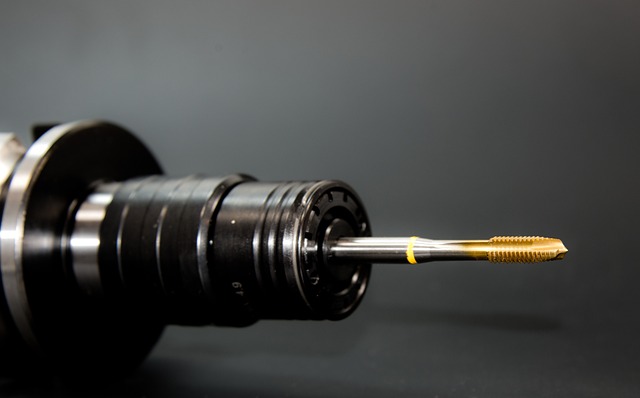
The Importance of Surface Finish in Precision Machining
Surface roughness directly affects how components perform under load, their wear resistance, and their ability to fit or seal correctly. In aerospace or medical device production, even a deviation of a few micrometers can lead to assembly issues or premature wear. Measuring roughness accurately ensures that CNC outputs remain within specified tolerances. Engineers use this data to refine tool paths and adjust spindle speeds or coolant flow rates for better consistency across production runs.
How Measurement Accuracy Influences Workflow Efficiency
Accurate surface data reduces rework and inspection time by catching deviations early. Real-time feedback from precision instruments allows operators to modify cutting conditions before defects propagate through a batch. Consistent quality control also improves repeatability between machines or shifts, which is critical when multiple setups share identical part programs.
Overview of the Mitutoyo Surface Roughness Tester
Modern metrology equipment such as the mitutoyo surface roughness tester bridges the gap between tactile measurement and digital analytics. Its design caters to industrial settings where precision must coexist with speed and robustness.
Key Features and Capabilities of Mitutoyo Instruments
Mitutoyo offers both portable units for on-site inspection and benchtop systems for laboratory-grade analysis. These testers employ high-resolution sensors capable of detecting submicron variations across machined surfaces. Integration with digital platforms enables detailed recording, graphical visualization, and automated statistical reporting—an advantage when managing traceability under ISO 9001 or AS9100 frameworks.
Measurement Parameters Relevant to CNC Applications
Common parameters like Ra (average roughness), Rz (mean peak-to-valley height), and Rt (total profile height) provide quantifiable insights into machining quality. Profile analysis can reveal tool wear patterns or chatter marks invisible to the naked eye. Statistical summaries generated from these readings support continuous improvement programs such as Six Sigma or lean manufacturing audits.
Integrating a Mitutoyo Surface Roughness Tester into CNC Operations
The value of surface data increases exponentially when linked directly with process control systems rather than being treated as an isolated inspection step.
Linking Measurement Data with CNC Process Control Systems
Many Mitutoyo testers include interfaces compatible with CAD/CAM or SPC software suites used on shop floors. Data transfer allows automatic updates to machining parameters based on measured outcomes—creating a feedback loop that minimizes manual intervention while maintaining traceability across production batches.
Using Roughness Data to Optimize Tool Path Strategies
When roughness readings indicate directional tool marks or inconsistent finishes, engineers can adjust feed rates or modify toolpath curvature accordingly. Adaptive machining strategies informed by real measurements improve both finish quality and geometric precision. Correlating tool geometry with measured texture also guides tooling selection for specific materials like titanium alloys or hardened steels.
Enhancing Workflow Accuracy Through Data Analysis and Feedback Loops
As production volumes rise, maintaining uniformity across multiple machines becomes increasingly challenging without structured data feedback mechanisms.
Establishing Closed-Loop Quality Control in CNC Machining
Closed-loop systems continuously monitor part surfaces during production cycles. Statistical process control (SPC) methods use roughness data trends to predict when tools will exceed tolerance limits, enabling proactive maintenance instead of reactive correction. This approach aligns with ISO 4287 standards governing surface texture evaluation methods.
Reducing Variability Across Multiple CNC Machines or Setups
Centralized databases consolidate measurement results from several machines into unified dashboards for comparative analysis. When discrepancies appear between outputs from different setups, calibration routines can be scheduled immediately to restore consistency. Standardized calibration procedures maintain long-term reliability across distributed manufacturing cells.
Practical Considerations for Implementation in Industrial Settings
Deploying advanced metrology requires more than equipment investment; it demands procedural discipline and skilled personnel who understand both measurement theory and practical shop-floor realities.
Calibration, Maintenance, and Operator Training Requirements
Routine calibration using certified reference specimens ensures ongoing measurement fidelity over time. Regular maintenance prevents sensor drift caused by temperature fluctuations or mechanical fatigue. Well-trained operators interpret numerical outputs correctly—distinguishing between genuine process deviations and environmental noise that could distort readings.
Cost-Benefit Evaluation for High-Tolerance Manufacturing Environments
While initial acquisition costs may seem high, precision metrology tools typically reduce scrap rates by identifying issues before parts reach final inspection stages. Over time, improved yield offsets capital expenditure through fewer rejects and faster approval cycles. Detailed documentation produced by instruments like the mitutoyo surface roughness tester also supports compliance with international standards such as ISO 4287 or ASME B46.1—key credentials for suppliers serving regulated industries.
Future Trends in Surface Metrology for CNC Workflows
Surface metrology is evolving rapidly alongside automation technologies that redefine how manufacturers interact with their machines.
Advancements in Digital Integration and Automation Technologies
Artificial intelligence now assists in predicting surface outcomes before machining begins by analyzing prior datasets stored in cloud-based platforms. Remote monitoring systems allow engineers to track surface quality trends across global facilities without physical presence on-site. Some next-generation CNC machines already embed smart sensors capable of measuring roughness continuously during operation—transforming post-process inspection into real-time adaptive control.
FAQ
Q1: What makes the mitutoyo surface roughness tester suitable for CNC environments?
A: Its robust construction, high-resolution sensors, and digital integration options make it ideal for industrial use where precision must be balanced with operational speed.
Q2: Which surface parameters are most relevant for evaluating machined parts?
A: Ra, Rz, and Rt are commonly used because they quantify average roughness levels and peak-to-valley variations critical to component performance.
Q3: How does integrating measurement data improve workflow efficiency?
A: Automated data transfer creates feedback loops that allow immediate process corrections without manual re-inspection steps.
Q4: Why is calibration important in surface metrology?
A: Regular calibration maintains accuracy over time by compensating for sensor drift or environmental changes affecting readings.
Q5: What future developments are expected in this field?
A: AI-driven prediction models and embedded sensing technologies will enable continuous monitoring of surface conditions during machining operations rather than after completion.