
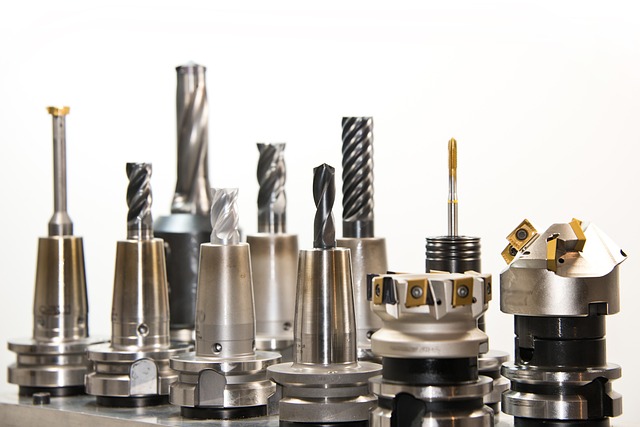
Why VMC Programming Matters in Vectric CNC Software Workflows
Our Systems Have Detected Unusual Activity Coming From Your System. Please Try Again Later.
In precision manufacturing, the line between router-based CAM and traditional VMC programming is narrowing. Experts now combine the flexibility of Vectric software with the rigor of vertical machining logic to gain both speed and accuracy. The conclusion is clear: applying VMC-level strategies inside VCarve-style workflows raises repeatability, surface finish, and tool life. For complex or high-value parts, this hybrid method transforms router setups into production-grade systems.
Understanding the Role of VMC Programming in CNC Workflows
The evolution of computer numerical control (CNC) has redefined how toolpaths are generated and executed. To maintain competitiveness, manufacturers must align software logic with machine behavior rather than treating them as separate domains.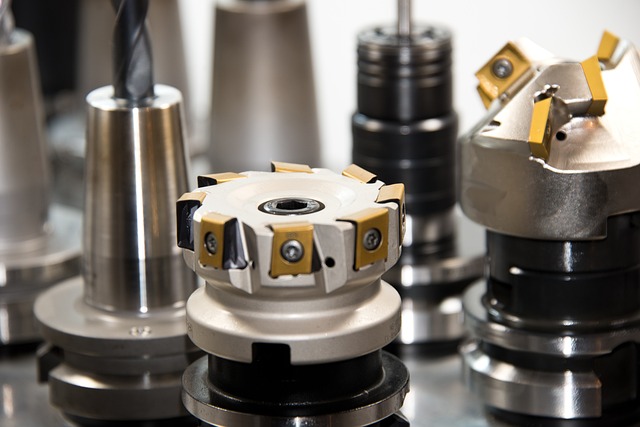
The Connection Between VMC Programming and Vectric Software
VMC programming defines how a vertical machining center interprets commands for precise movements, spindle speeds, and tool changes. Meanwhile, Vectric applications such as Aspire or VCarve focus on translating artistic or geometric design into router-compatible G-code. When these two domains intersect, the result is a workflow that preserves design intent while maintaining industrial-grade precision. Integrating principles from VMC programming—like controlled lead-ins, adaptive step-downs, and optimized feed transitions—helps routers mimic the reliability of metal-cutting mills.
Differences Between Router-Based CAM and Traditional VMC Operations
Routers are typically used for wood, composites, or plastics where high spindle speeds remove material efficiently but require less rigidity. In contrast, a VMC handles metals and relies on heavier structures to absorb cutting forces. This difference drives distinct programming priorities: routers emphasize speed and smooth motion; mills prioritize torque management and tolerance control. When both methods are applied together—say in a shop cutting aluminum plates on a router—the programmer must balance acceleration limits with feed optimization to avoid chatter or deflection.
Aligning VMC Programming with Vectric Toolpath Strategies
Bringing VMC-style logic into a router environment demands more than copying code; it requires rethinking sequencing, parameter tuning, and verification steps so that every move counts toward productivity.
How Toolpath Logic Influences Workflow Efficiency
The order in which operations occur directly affects cycle time. Grouping similar tools or minimizing repositioning cuts non-productive travel by measurable margins. Adaptive roughing paths distribute load evenly across the cutter’s edge, extending tool life while maintaining part geometry. Finishing passes should follow consistent climb-cut directions to improve surface texture. Simulation tools in modern CAM suites allow programmers to visualize these interactions before committing material—a safeguard that reduces scrap rates significantly.
Integrating Machine Parameters into Vectric Environments
Machine-specific parameters define how theoretical toolpaths behave in practice. Feed rate tuning must reflect router acceleration curves rather than mill rigidity constants. Spindle speed adjustments compensate for lighter bearings typical in woodworking systems. Post-processors serve as translators between software outputs and hardware controllers like Fanuc or Mach3; customizing them prevents syntax errors that could halt production mid-run. Consistency across platforms keeps results predictable even when switching machines within the same facility.
Optimizing Job Types for VCarve-Style Router Workflows
Not every job benefits equally from advanced programming logic. Choosing when to apply full-scale control versus simplified routing determines profitability as much as technical quality.
Identifying Applications Suited to Router-Based CAM Systems
Flat-panel tasks such as cabinetry doors or signage exploit routers’ wide work envelopes and high-speed spindles effectively. Two-dimensional contouring or 2.5D pocketing suits these materials because they rarely demand tight tolerances below ±0.05 mm. Decorative reliefs generated from vector art also align well with the raster-based approach of software like Aspire. Lightweight aluminum fixtures can be machined successfully if fixturing prevents vibration during fast passes.
When to Apply VMC-Level Programming Techniques in Router Jobs
Some router projects cross into precision territory—mold cavities, aerospace panels, or mechanical prototypes—where tighter tolerances matter. Here, nesting algorithms borrowed from milling environments optimize sheet layouts for minimal waste while maintaining cut integrity near edges. Multi-tool operations benefit from sequencing rules typical of vertical mills: rough first, finish last, clean transitions between cutters without manual intervention. Pocketing routines using ramped entries reduce sudden load spikes that could deflect thinner bits.
Enhancing Workflow Integration Between CAD/CAM and Machine Execution
The bridge between digital design and physical machining often fails at data translation points rather than geometry itself; refining these connections stabilizes entire production pipelines.
The Importance of Post-Processor Customization
A post-processor tailors G-code output so that each controller reads commands correctly—whether it’s interpreting arc formats or handling canned cycles differently across brands. Custom macros automate setup steps like probing Z-heights or resetting work offsets after tool changes, saving operators minutes per job cycle. Once validated, standardized posts reduce editing errors that might otherwise cause unexpected motion during live runs.
Data Management Across Design-to-Machine Pipelines
Central file repositories keep revision histories intact so older versions don’t overwrite updated geometries on shared networks. Maintaining unified libraries for feeds, speeds, and cutter definitions simplifies cross-project continuity when multiple programmers contribute to one product line. Recorded simulation metrics—cycle time estimates or spindle load graphs—help maintenance teams predict wear trends before breakdowns occur.
Advancing Precision Through Hybrid Programming Approaches
Merging router adaptability with milling discipline creates a manufacturing model capable of producing both artistic designs and engineering components efficiently within one ecosystem.
Combining Router Flexibility with Milling Accuracy
Borrowing rigid-body motion concepts from traditional machining centers improves router stability under heavy engagement conditions such as deep slotting in dense hardwoods or aluminum sheets. High-speed machining paths developed for metalwork can be scaled down for lighter materials to suppress chatter while keeping feed rates aggressive enough for commercial throughput targets. This hybrid approach shortens lead times without trading off dimensional fidelity.
Leveraging Automation for Continuous Improvement
Modern CNC ecosystems increasingly rely on sensors feeding back real-time performance data to adjust paths dynamically when loads exceed thresholds—a method proven effective in reducing scrap across multi-shift operations. Automated calibration routines verify spindle alignment against fiducial markers before each batch starts, aligning digital coordinates with actual part geometry within microns of variance. Over time, analytics drawn from this closed-loop feedback refine future vmc programming decisions automatically based on historical success rates rather than guesswork.
FAQ
Q1: What distinguishes vmc programming from standard router coding?
A: It emphasizes precise control over axes coordination, feed modulation, and sequence optimization designed primarily for rigid metal-cutting environments rather than lightweight routing tasks.
Q2: Can Vectric software handle industrial-grade machining?
A: Yes, when paired with correct post-processors and tuned parameters; its core engine supports accurate G-code generation adaptable to both hobbyist routers and professional CNC mills.
Q3: Why customize post-processors instead of using defaults?
A: Default posts may lack controller-specific syntax like subroutine calls or probe cycles; customization eliminates manual edits that risk operational errors during production runs.
Q4: How do hybrid workflows improve cost efficiency?
A: They combine fast material removal typical of routers with precision finishing derived from milling logic—reducing setup times while maintaining quality standards suitable for commercial contracts.
Q5: What role does simulation play before machining?
A: It verifies motion paths against machine limits virtually so potential collisions or over-travel conditions are detected early without wasting stock material or damaging tooling.