
How Cutting Wood Machine Innovations Are Redefining Modern Woodworking
Not so Dusty: How Tech Is Changing Woodworking
Modern woodworking has moved far beyond sawdust-covered workshops. The evolution of the cutting wood machine has transformed craftsmanship into a digitally driven process defined by precision, speed, and sustainability. From early hand tools to today’s CNC and AI-powered systems, technology has made woodworking cleaner, smarter, and more efficient. The trade now blends artistry with automation, where software dictates cuts once guided by muscle memory. This shift not only enhances productivity but also redefines what it means to be a craftsman in a connected, data-rich workshop.
The Evolution of Cutting Wood Machines in Modern Woodworking
Woodworking’s long history reflects the broader story of industrial progress. Each generation of tools—from manual saws to programmable machines—has reshaped how artisans interact with materials and design.
From Manual Tools to Automated Systems
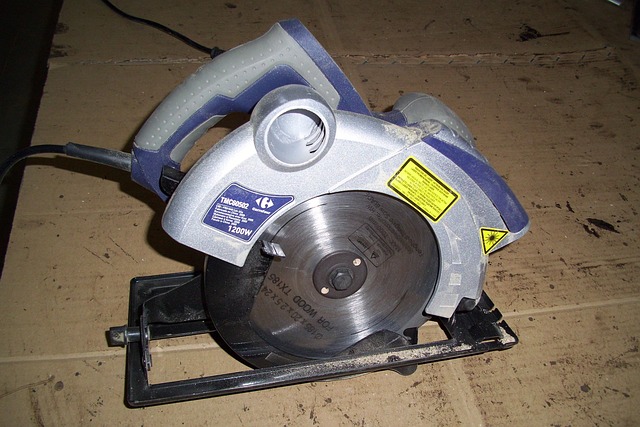
Traditional woodworking began with simple hand tools: saws, chisels, and planes. These instruments demanded skill and patience but offered limited consistency across large projects. The introduction of electric saws in the early 20th century marked a decisive move toward mechanization, enabling faster production without sacrificing precision. Later came the rise of automated systems that integrated motors, sensors, and computer control. CNC-driven cutting wood machines now execute complex tasks once thought impossible by hand, maintaining accuracy within fractions of a millimeter while running continuously for hours.
The Role of Digital Transformation in Woodworking Equipment
Digital transformation has turned woodworking equipment into intelligent production units. Machines equipped with digital controls can store cutting parameters for repeat use, reducing waste from setup errors. Advanced algorithms analyze wood grain orientation to determine optimal cut paths, improving yield per sheet. Connectivity also plays a vital role: real-time monitoring allows operators to track performance metrics remotely, while predictive maintenance software minimizes downtime by identifying wear before failure occurs.
Key Technological Innovations in Cutting Wood Machines
The technological leap in recent decades is most visible in how machines interpret design data and translate it into motion. Precision is no longer just mechanical—it’s computational.
CNC (Computer Numerical Control) Advancements
CNC routers have become the backbone of modern woodworking shops. They handle intricate designs effortlessly, translating CAD drawings into precise movements across multiple axes. Multi-axis systems—some offering five or more degrees of freedom—allow curved surfaces and sculptural forms that were once labor-intensive or impractical by hand. Software interfaces simplify customization for different product lines; an operator can switch from cabinetry to furniture components with minimal reprogramming time.
Laser and Waterjet Cutting Technologies
Laser cutting introduced unmatched accuracy to woodworking applications. With beam widths thinner than a millimeter, lasers minimize kerf loss and produce clean edges ready for finishing without sanding. Waterjet cutting adds another dimension: using high-pressure streams mixed with abrasives, it slices through composite woods or laminates without heat distortion. Both technologies expand creative possibilities while preserving structural integrity—an essential factor when working with engineered wood materials used in architectural interiors.
Smart Sensors and IoT Integration
Sensors embedded within cutting wood machines continuously measure blade wear, vibration levels, and motor temperature. This data feeds into IoT platforms that alert technicians when maintenance is needed or operating conditions deviate from normal ranges. Remote diagnostics reduce service delays; many manufacturers now offer cloud-based dashboards displaying energy use and output statistics across entire production lines. Over time, analytics drawn from these connected systems refine scheduling decisions and improve overall plant efficiency.
Enhancing Efficiency and Sustainability Through Innovation
Efficiency today extends beyond speed—it includes energy conservation and responsible material use. Modern machinery addresses both goals through adaptive control systems and intelligent planning tools.
Energy Efficiency in Modern Cutting Systems
Variable-speed drives adjust motor output based on load demand rather than running at full capacity constantly. This reduces electricity consumption during idle periods or lighter operations. Smart energy management systems further adapt power distribution depending on material density or blade type used for each task. Manufacturers are also shifting toward eco-friendly motors that meet international efficiency standards such as IEC 60034-30-1 Class IE4, aligning industrial performance with sustainability commitments.
Material Optimization and Waste Reduction Strategies
Artificial intelligence plays an increasing role in optimizing material usage. Nesting algorithms automatically arrange component shapes on wood sheets to minimize leftover scraps—a process particularly valuable when using expensive veneers or specialty plywoods. Real-time feedback loops monitor cut accuracy; if sensors detect deviation due to tool wear or grain irregularity, feed rates adjust instantly to prevent defects. Such closed-loop control not only saves resources but also improves profitability through reduced rework rates.
The Changing Role of Skilled Craftsmanship in a Tech-driven Workshop
Technology hasn’t replaced craftsmanship—it has redefined it. Human expertise remains essential but now focuses on programming insight rather than physical repetition.
Human-Machine Collaboration in Precision Woodworking
Operators increasingly act as process managers rather than manual cutters. They calibrate machines, verify tolerances, and oversee quality assurance while automated equipment handles repetitive or hazardous steps like ripping long boards or cutting intricate joints at scale. Collaborative robots—or cobots—assist artisans by holding panels steady during trimming or sanding operations, ensuring uniformity across batches without fatigue-related errors.
Upskilling the Workforce for Digital Woodworking Environments
As machinery grows smarter, so must its operators. Training programs emphasize CAD/CAM proficiency alongside mechanical knowledge of tooling dynamics. Workers who understand both design software logic and physical machining principles can troubleshoot issues faster and adapt settings for new product designs efficiently. Cross-disciplinary education combining engineering fundamentals with aesthetic judgment becomes critical for future-ready workshops where creativity meets computation.
Future Directions in Cutting Wood Machine Development
The next phase of evolution points toward autonomy—machines capable of learning from their own performance history while minimizing environmental impact through circular design principles.
Integration of Artificial Intelligence and Predictive Analytics
AI-driven models already predict maintenance intervals based on vibration signatures or current draw patterns before mechanical failure occurs—a practice validated by reliability standards such as ISO 13374 for condition monitoring data processing. Predictive analytics refine operational parameters dynamically; if humidity affects wood expansion rates during cutting, algorithms adjust tool paths accordingly to maintain dimensional stability across varying conditions.
Sustainable Materials and Circular Manufacturing Approaches
Manufacturers are designing machines optimized for recycled composites or engineered fibers that behave differently under stress than natural timber does. Modular construction allows upgrading control boards or spindle assemblies without replacing entire units—extending equipment life cycles significantly. These developments align with circular economy frameworks promoted by organizations like ISO/TC 323 on sustainable manufacturing systems, encouraging resource recovery instead of linear consumption models within global supply chains.
FAQ
Q1: What is the main advantage of CNC technology in modern woodworking?
A: CNC technology allows precise replication of complex designs at scale while reducing manual labor time and error rates compared to traditional methods.
Q2: How do smart sensors improve the performance of a cutting wood machine?
A: They monitor critical variables such as temperature and vibration in real time, enabling predictive maintenance that prevents costly breakdowns.
Q3: Why are waterjet cutters preferred for composite woods?
A: Because they generate no heat during operation, preventing delamination or discoloration common with thermal processes like laser cutting.
Q4: What skills are most valuable for workers in digital woodworking environments?
A: Proficiency in CAD/CAM software combined with understanding machine calibration techniques is essential for managing automated production effectively.
Q5: How does AI contribute to sustainability in woodworking manufacturing?
A: AI optimizes material layout to reduce waste and predicts tool wear patterns accurately, extending component lifespan while conserving resources.