
What Are Machining Processes and Which One Is Best for Your Parts?
What Are Machining Processes?
Machining processes are ways to remove material from metal, plastic, or composite stock so the part matches a drawing. They create shapes, holes, threads, flat faces, and required surface finishes. If you buy or design precision components, knowing the main machining processes helps you choose the route that fits the drawing, not only the lowest price.
In plain shop wording, machining means cutting away material with a tool, abrasive wheel, electrical spark, waterjet, or beam. NIST’s 2026 manufacturing process taxonomy puts many common operations under mass-reducing processes, including turning, boring, drilling, milling, grinding, EDM, and laser beam cutting. That public taxonomy is useful because it treats machining as a group of related choices, not one fixed method. (nvlpubs.nist.gov)
Material Removal That Shapes the Part
Most machining starts with bar, plate, casting, forging, extrusion, or a near-net blank. The machine cuts off extra stock until the final shape is reached. A small valve body may need milled flats, drilled ports, tapped holes, and a reamed bore. A shaft may need turning, grooving, threading, and grinding, so the process plan can matter as much as the machine model.
Manual and CNC Control Paths
Manual machines still have a place in repair work, fixtures, prototypes, and low-risk features. CNC machines add repeatable tool paths, higher spindle speeds, automatic tool changes, and better control over profiles that are hard to cut by hand. For export purchasing, CNC is often the safer route when the part has tight tolerances, repeat orders, or several features that must align with each other.
Tolerance, Finish, and Cost Targets
A process is only right when it meets the actual requirement on the drawing. A bracket with ±0.2 mm holes does not need the same route as a hydraulic spool with a fine finish and tight roundness. Put the tightest tolerance only where the function needs it. Over-tight drawings slow down quoting, raise scrap risk, and can make a basic part cost more than expected.
Which Core Machining Processes Should You Know?
The main chip-making processes are turning, milling, and holemaking. They cover a large part of daily machine shop work because they are flexible, easy to find, and simple to combine in one setup or two setups. If a supplier cannot explain these basics in clear terms, the quote may carry risk you cannot see on the price line.
Turning for Round and Threaded Features
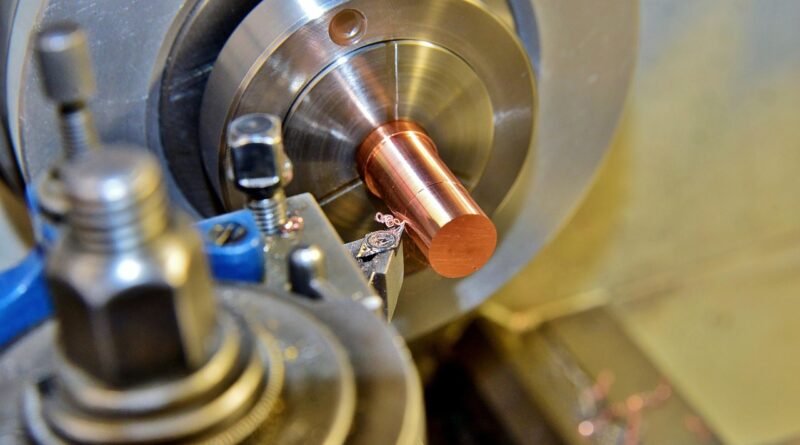
Turning rotates the workpiece while a single-point tool cuts diameters, shoulders, grooves, tapers, and threads. It is the normal choice for shafts, bushings, pins, nozzles, and round housings. Swiss-type turning suits long, slim, small-diameter parts such as medical pins or connector components. For heavy shafts, a CNC lathe with steady support helps reduce chatter and keeps the cut stable.
Milling for Flats Slots and 3D Forms
Milling uses rotating cutters to make faces, pockets, slots, contours, and 3D surfaces. A three-axis mill can handle many plates and blocks. Four-axis and five-axis machines reduce setups for angled holes, impellers, orthopedic parts, and aerospace-style brackets. More axes do not always mean a better buying decision, because a stable three-axis setup may be cheaper and faster for a simple plate.
Drilling, Boring, and Reaming for Holes
Holes may look simple on a drawing, but they create plenty of problems on the shop floor. Drilling makes the first hole, while boring improves location, straightness, and size. Reaming gives a cleaner and more accurate diameter after drilling or boring. If a hole needs a press-fit dowel, bearing seat, or sealed fluid path, state the size, depth, finish, and inspection method clearly.
When Should You Choose Abrasive, EDM, or Beam Machining?
Some parts need more than standard cutting. Hard materials, fine finishes, thin walls, sharp internal corners, and heat-sensitive profiles may require grinding, EDM, laser cutting, or waterjet cutting. These methods are not used just to sound technical. They solve problems that regular tools may not handle cleanly.
Grinding for Tight Size and Fine Finish
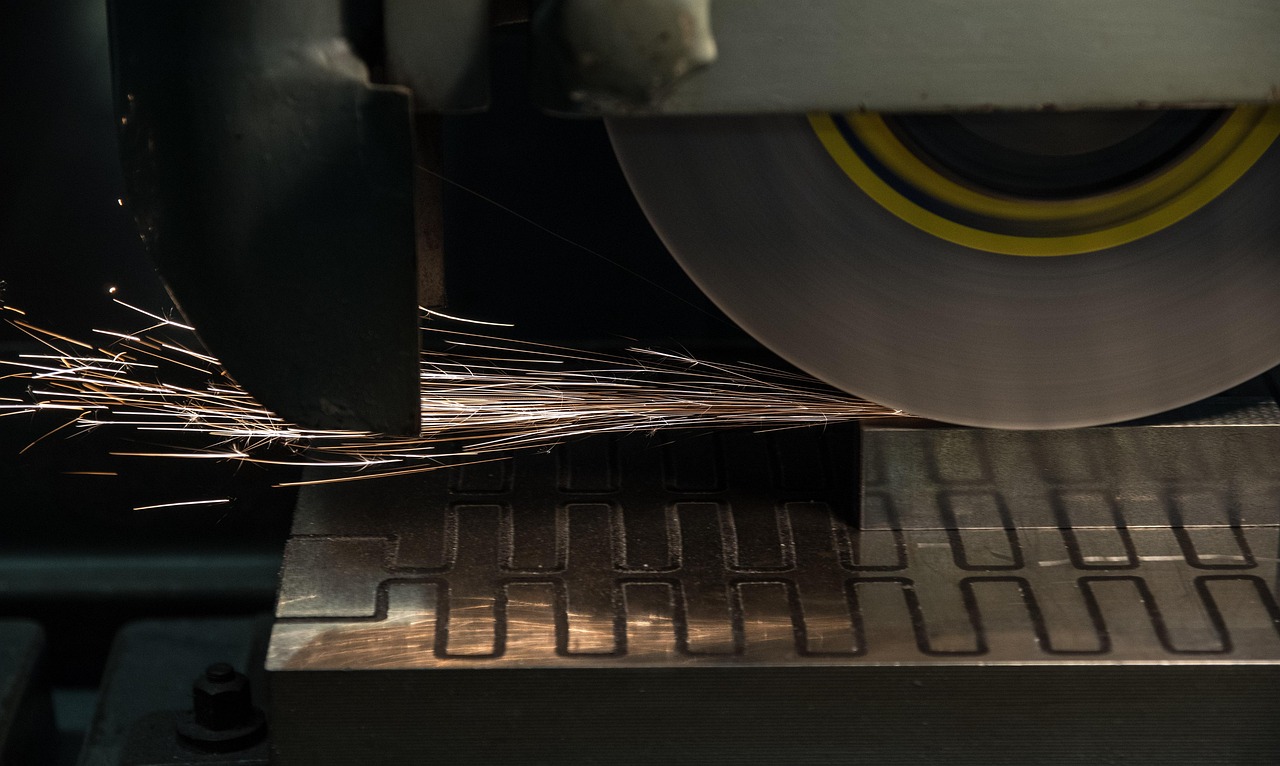
Grinding removes small amounts of material with an abrasive wheel. It is common for bearing journals, hardened shafts, sealing faces, mold plates, and tool steel parts. Use it when turned or milled surfaces cannot meet the size, roundness, flatness, or finish target. Grinding also helps after heat treatment, when the part has moved slightly and needs final sizing.
EDM for Hard Metals and Sharp Internal Corners
Electrical discharge machining removes metal with controlled sparks. Wire EDM cuts profiles through conductive materials and can hold close accuracy. Sinker EDM creates cavities, ribs, and sharp internal features in molds and dies. It works well on hardened tool steel, carbide, and features where a round cutter radius would cause trouble, but the tradeoff is speed. EDM is rarely the cheapest route for easy shapes.
Laser and Waterjet Cutting for Fast Profiles
Laser cutting is fast for sheet metal profiles, brackets, shims, panels, and blanks that need nesting. Waterjet cutting uses abrasive water and puts less heat into the edge, so it fits thicker plate, composites, stone, and materials that dislike a heat-affected edge. For many buyers, these cutting methods make near-net blanks before milling, tapping, bending, or welding.
How Do Materials Change Your Process Choice?
Material is not a detail to leave until the end of quoting. The same geometry behaves very differently in aluminum, 316 stainless steel, titanium, PEEK, or glass-filled nylon. Your supplier needs grade, temper, heat treatment, hardness, and any required material certificate before giving a serious quote.
Aluminum and Brass Need Chip Control
Aluminum cuts fast, but gummy grades can stick to the tool edge when speed, coating, coolant, or chip evacuation is not right. Brass often machines cleanly, though lead-free brass can be less forgiving than older free-cutting grades. In both cases, chip control matters. A small chip jam inside a deep pocket can ruin finish or break a tool, and yes, that small chip can stop the job for the afternoon.
Stainless Steel and Titanium Need Heat Control
Stainless steel tends to work harden when tools rub instead of cut. Titanium keeps heat near the cutting edge and does not tolerate careless feeds or worn tools. These materials usually need sharp tools, controlled feed, good coolant, and realistic cycle time. The lowest quote may not be the lowest final cost if it leads to poor tool life, burrs, or a late shipment.
Plastics and Composites Need Gentle Cutting
Engineering plastics can move during machining because of internal stress and heat. Thin plastic walls may spring after clamping, so fixture pressure matters. Composites add another issue because fibers can delaminate or fray when the tool is wrong. For these parts, ask about fixture pressure, cutter style, dust control, and whether the supplier has run the exact material before. See also: CNC Machining.
How Can You Judge Quality, Cost, and Lead Time?
Good machining is a balance between geometry, tolerance, surface finish, quantity, inspection, and delivery. Public labor data gives useful background for buyers. The U.S. Bureau of Labor Statistics reported in its 2025 Occupational Outlook Handbook that machinists and tool and die makers work in machine shops and factories, while overall employment in that occupation is projected to decline 2 percent from 2024 to 2034. For purchasing teams, this does not mean machining is going away. It means setup, programming, and inspection time are skilled work, especially as automation changes the mix of labor on the shop floor. (bls.gov)
Tolerance and Surface Finish Drive Setup
Tighter tolerances need better machines, better fixtures, sharp tools, stable temperature, and more inspection time. Surface finish adds another layer to the route. A cosmetic bead-blasted cover has different needs than a sliding seal face. If the drawing only says fine finish without a measurable Ra value, expect questions from the supplier. If no reliable public data supports one universal tolerance for every milling job, do not treat one online table as a fixed rule.
Volume Changes the Best Machine Choice
For one prototype, a machinist may use soft jaws, simple fixtures, and slower tool paths. For 10,000 pieces, the supplier may build dedicated fixtures, use bar feeders, add in-process gauging, or move the job to a multi-spindle or palletized machine. Unit price usually falls only after setup and tooling costs are spread across enough parts.
Inspection Plans Prevent Expensive Surprises
Inspection should match the part risk. Calipers may be enough for a rough bracket, but a coordinate measuring machine may be needed for true position, profile, or complex machined surfaces. For tight bores, use plug gauges, air gauges, bore gauges, or CMM checks as needed. Ask for a first article inspection report when the part is new, high value, or safety related.
How Should You Select a Supplier for Machining Processes?
A capable supplier does more than run machines. They read drawings, catch unclear callouts, choose a stable route, control coolant and chips, protect operators, and keep records. OSHA’s metalworking fluids manual gives a useful safety reference: machining operations using metalworking fluids should be surveyed for hazards, and OSHA lists 8-hour time-weighted exposure limits of 5 mg/m3 for mineral oil mist and 15 mg/m3 for particulates not otherwise classified. In real shop control, health, fluids, ventilation, and housekeeping sit beside spindle speed and tool choice. (osha.gov)
Match Capability to Part Geometry
Send drawings, 3D files, quantity, material, finish, and target delivery date. Then ask what machines will be used and how many setups the supplier expects. A supplier strong in turned parts may not be the right fit for a large milled casting. A mold shop may be very good with EDM but too slow for low-cost brackets.
Check Certifications and Process Control
Certification does not make every part perfect, but it shows that a formal quality system is in place. ISO states that ISO 9001:2015 is a globally recognized quality management standard. For machined parts, that matters when you need document control, traceability, corrective action, calibrated gauges, and stable purchasing records. Ask how the supplier applies the system to your actual order, not only whether the certificate exists. (iso.org)
Ask Practical Questions Before Quoting
Before approving a supplier, ask direct questions. Their answers often show whether they understand the drawing or are only pricing material and machine time.
- Which features are hardest to machine and inspect?
- Can any tolerance be opened without hurting function?
- Will the part be machined before or after heat treatment?
- How will burrs, sharp edges, and threads be checked?
- What happens if the first article fails one dimension?
Clear answers save time. Vague answers are a warning sign, even when the price looks attractive.
FAQ
Q1: What Are the Most Common Machining Processes? A: The most common machining processes include turning, milling, drilling, boring, reaming, grinding, EDM, laser cutting, and waterjet cutting. Turning suits round parts, milling suits blocks and profiles, and drilling-related methods handle holes.
Q2: Which Machining Process Is Best for Tight Tolerances? A: It depends on the feature. Grinding is often used for tight roundness, flatness, and finish after heat treatment. Boring and reaming can hold accurate holes. EDM can cut precise profiles in hard conductive metals.
Q3: Is CNC Machining Always Better Than Manual Machining? A: No. CNC machining is better for repeatability, complex geometry, and production work. Manual machining still fits repair jobs, simple prototypes, tooling changes, and one-off parts where programming time would not pay back.
Q4: Why Does Material Choice Affect Machining Cost? A: Material changes cutting speed, tool wear, heat, chip shape, burr risk, and inspection needs. Aluminum often cuts quickly, while stainless steel, titanium, hardened steel, and composites usually need more care and slower cycles.
Q5: How Can You Lower Machining Cost Without Hurting Quality? A: Keep tight tolerances only where they affect function, use standard hole sizes when possible, avoid deep narrow pockets, confirm surface finish needs, and ask the supplier for design feedback before production tooling starts.