
Is a Carbide Drill Bit the Optimal Choice for Stainless Steel Applications
The Best Drill Bits for Stainless Steel, Tested and Reviewed by Experts
Drilling stainless steel is not a task for an average drill bit. The alloy’s high strength and heat resistance demand tools that can handle both pressure and temperature without losing edge integrity. After extensive testing, carbide drill bits stand out as the most efficient option. They deliver consistent accuracy, superior wear resistance, and extended lifespan compared to high-speed steel or cobalt bits. For professionals working with 300-series stainless or harder alloys, carbide remains the go-to choice when precision and productivity matter most.
Understanding the Material Properties of Stainless Steel
Stainless steel’s unique structure makes it both durable and challenging to machine. Its combination of chromium, nickel, and sometimes molybdenum provides corrosion resistance but also increases toughness. These traits directly influence how a drill bit performs under stress.
Mechanical Characteristics Affecting Drill Bit Performance
The hardness and ductility of stainless steel create friction during drilling, generating heat that can rapidly dull cutting edges. This metal tends to work harden—meaning the area around the cutting zone becomes even tougher as drilling continues—so maintaining correct feed pressure is critical. Alloy variations affect chip formation; for instance, austenitic grades often produce long stringy chips that can wrap around the tool if not properly cleared.
Challenges in Machining Stainless Steel
Machining stainless steel introduces several operational hurdles. Heat buildup can deform both the material and the tool, especially if cooling is insufficient. Poor chip evacuation risks clogging flutes and damaging surface finishes. To achieve stable results, operators rely on continuous lubrication systems or mist coolants that reduce friction while preserving dimensional accuracy.
Overview of Drill Bit Materials for Stainless Steel Applications
Selecting the right drill bit depends on balancing cost, durability, and performance under load. Each material type offers distinct advantages depending on drilling conditions.
High-Speed Steel (HSS) and Its Limitations
High-speed steel has been a staple in general machining because of its toughness and ease of sharpening. However, when used on stainless steel, HSS bits quickly lose edge sharpness due to heat softening. They perform adequately at low speeds or in occasional use but are unsuitable for prolonged industrial operations where thermal stress dominates.
Cobalt Alloy Drill Bits as an Intermediate Solution
Cobalt-alloyed bits bridge the gap between HSS and carbide tools. The addition of cobalt enhances red hardness—the ability to resist tempering at elevated temperatures—allowing these bits to maintain cutting efficiency longer than plain HSS. They are cost-effective for medium-duty work such as drilling 304 stainless shafts or brackets but may still wear prematurely under continuous production loads.
The Role of Carbide Drill Bits in Stainless Steel Machining
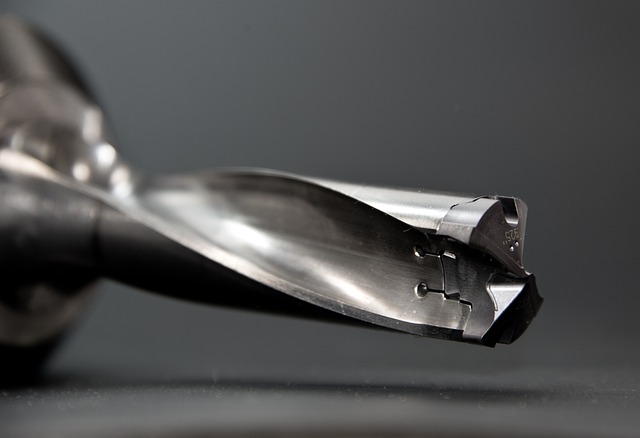
Carbide drill bits redefine expectations for precision drilling in stainless applications. Their superior hardness enables them to cut through tough alloys with minimal deformation or burr formation.
Structural Composition and Advantages of Carbide Tools
Carbide tools are made from tungsten carbide particles bonded with cobalt or nickel binders through sintering. This microstructure gives them extreme compressive strength while retaining sufficient toughness to resist chipping under controlled conditions. Their rigidity allows higher cutting speeds without sacrificing hole quality—something nearly impossible with softer tool steels.
Heat Resistance and Wear Behavior Under Load Conditions
Carbide excels under thermal stress. Even at spindle speeds exceeding 100 m/min, it retains edge sharpness far longer than cobalt tools. Modern coatings such as titanium aluminum nitride (TiAlN) or aluminum chromium nitride (AlCrN) further improve oxidation resistance by forming protective layers during operation. Reduced friction means less heat transfer into both tool and workpiece, extending usable life significantly.
Performance Factors Determining Carbide Drill Bit Efficiency
The performance of a carbide drill bit depends heavily on how it’s used rather than just its composition. Proper setup ensures consistent hole geometry and prevents premature failure.
Optimal Cutting Parameters for Stainless Steel Drilling
Cutting speed should remain moderate—typically between 30–50 m/min—to prevent microfractures along carbide edges. Feed rate must be steady; too light a feed encourages rubbing instead of cutting, increasing work hardening risk. Peck cycles help evacuate chips efficiently while maintaining coolant access deep into the hole.
Influence of Tool Geometry on Drilling Accuracy
Geometry plays a crucial role in stability and finish quality. A point angle around 135° reduces thrust forces on entry, while a split-point design minimizes walking across hardened surfaces. Shorter flute lengths improve rigidity during deep-hole drilling by reducing flexing under torque loads.
Comparative Evaluation: Carbide vs Other Drill Bit Types
When comparing carbide against cobalt or HSS options, differences appear not only in durability but also in overall cost-effectiveness over time.
Durability and Cost Efficiency Analysis
Although carbide bits carry higher upfront costs, their lifespan often exceeds HSS equivalents by fivefold under identical conditions. Reduced downtime from fewer tool changes compensates for initial expense—a key factor in automated production lines where every minute counts.
Surface Finish and Dimensional Accuracy Outcomes
Carbide maintains sharper edges throughout its service life, producing cleaner holes with smoother walls. Lower burr formation reduces secondary deburring steps—a subtle yet valuable advantage when fabricating precision components like valve housings or medical instruments requiring tight tolerances.
Practical Considerations for Using Carbide Drill Bits on Stainless Steel
Even the best carbide drill bit can fail if machine setup is inadequate or maintenance neglected. Attention to detail ensures full performance potential is realized.
Machine Compatibility and Setup Requirements
Carbide’s brittleness demands rigid setups; any vibration can cause microscopic fractures leading to catastrophic breakage. CNC machines equipped with adaptive feed control handle this well by adjusting pressure dynamically based on load feedback. Secure clamping prevents deflection during entry or exit phases that could otherwise distort hole alignment.
Maintenance and Handling Best Practices
Regular inspection under magnification helps detect early chipping before it worsens into full edge failure. Because carbide is dense yet brittle, storage trays should separate each bit individually to avoid contact damage. Regrinding must follow manufacturer specifications using diamond wheels to maintain original geometry accuracy.
Situational Recommendations for Expert Applications
Choosing whether to use carbide depends largely on project scale, equipment capability, and desired output consistency.
When to Select Carbide Over Other Options
Carbide is ideal for continuous production environments where hundreds of identical holes are drilled daily in high-strength materials like duplex stainless steels or Inconel alloys. It suits automated systems demanding repeatable precision without frequent tool changes.
When Alternative Materials May Be Preferable
In manual operations lacking rigid support structures—such as handheld drills—HSS or cobalt bits remain safer choices due to their greater flexibility under misalignment stress. For small prototype runs where cost sensitivity outweighs longevity concerns, using less expensive materials makes practical sense. Similarly, thin sheets prone to warping benefit from cooler-cutting cobalt bits rather than aggressive carbide types that generate more localized heat.
FAQ
Q1: Why do standard HSS bits struggle with stainless steel?
A: The high hardness and low thermal conductivity of stainless steel cause excessive heat buildup that softens HSS edges quickly.
Q2: How can overheating be minimized when drilling stainless?
A: Use steady feed pressure with adequate coolant flow; avoid dry drilling since heat rapidly accelerates wear even on premium bits.
Q3: Are coated carbide bits worth the extra cost?
A: Yes, coatings like TiAlN enhance oxidation resistance at high temperatures, extending lifespan especially during continuous runs.
Q4: What speed range suits carbide when cutting 304 stainless?
A: Typically between 30–50 meters per minute depending on diameter; slower speeds reduce chipping risk while maintaining clean finishes.
Q5: Can damaged carbide drill bits be re-sharpened effectively?
A: They can if re-ground using diamond abrasives following factory angles; improper regrinding alters geometry leading to premature failure.