
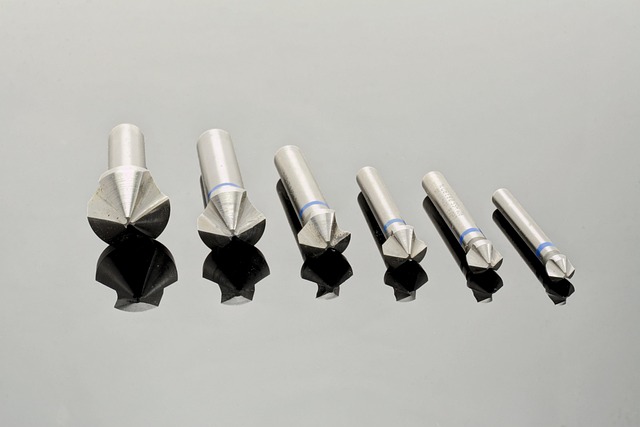
What Makes Countersink Bits Essential for Chamfer Tool for Metal 6 HSS Applications
Chamfer Tool For Metal 6 Countersink HSS Countersink Drill Bits
Precision metalworking depends on the right combination of cutting tools. Among them, countersink bits and chamfer tools play a vital role in ensuring clean finishes and accurate fits. High-speed steel (HSS) countersink bits are particularly valued for their toughness and temperature resistance, making them ideal for both manual and automated machining setups. When correctly applied, these tools enhance dimensional accuracy, reduce stress concentrations, and extend component life.
Understanding the Role of Countersink Bits in Metalworking
Countersink bits are not just finishing accessories; they’re essential to achieving mechanical precision in metal assemblies. Their geometry directly affects screw seating, joint strength, and overall surface finish.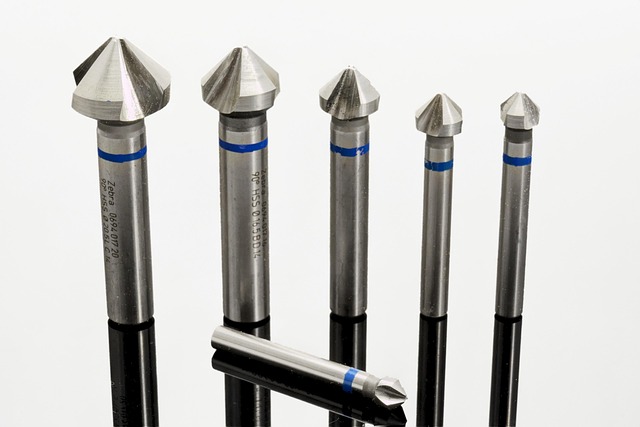
The Function of Countersink Bits in Precision Machining
Countersink bits cut conical holes that allow screw heads to sit flush or slightly below the material surface. This ensures a smooth assembly profile while preventing snagging or uneven load distribution. In structural applications like aerospace brackets or machine housings, proper countersinking reduces localized stress around fasteners, minimizing fatigue failures. It also improves the aesthetic quality of machined parts by eliminating sharp transitions around screw heads.
Relationship Between Countersink Bits and Chamfer Tools
While both tools share similar geometries, their roles differ significantly. Chamfer tools refine edges and remove burrs after drilling or milling, whereas countersink bits form recesses for fastener heads. In practice, machinists often use both sequentially: first a countersink bit to prepare the hole for seating, then a chamfer tool to create smooth edge transitions. This combination enhances dimensional accuracy and prevents micro-cracks along hole edges—an important factor when working with hardened steels or aluminum alloys.
Material Considerations: Why HSS (High-Speed Steel) Matters
The choice of tool material determines performance consistency under high loads and temperatures. HSS remains a preferred option because it offers an optimal balance between hardness and toughness.
Properties That Make HSS Suitable for Metal Applications
HSS retains its cutting edge even at elevated temperatures generated during prolonged drilling or countersinking cycles. Its wear resistance allows efficient cutting through ferrous and non-ferrous metals without rapid dulling. The alloy’s composition—typically including tungsten, molybdenum, chromium, and vanadium—provides toughness that resists chipping during high-speed operations. These properties make HSS particularly effective for repetitive production tasks where carbide might be too brittle.
Comparing HSS with Other Tool Materials
Carbide tools outperform HSS in hardness but are prone to breakage under vibration or interrupted cuts. Cobalt-enriched variants of HSS bridge this gap by improving heat resistance and extending service life when working on harder alloys like stainless steel or titanium. Ultimately, tool selection depends on workpiece material characteristics, feed rate stability, and desired surface finish rather than simple hardness ratings alone.
Design Features That Define Effective Countersink Bits
Tool geometry dictates how efficiently material is removed and how smooth the resulting surface becomes. Every angle or flute count impacts both precision and durability.
Geometry and Angle Optimization for Metal 6 Applications
Common angles such as 60°, 82°, 90°, and 120° correspond to specific fastener head designs used across industrial standards like ISO or ANSI screws. Selecting the right angle minimizes chatter—a vibration that can mar surfaces—and ensures uniform contact between bit and metal surface. Multi-flute configurations distribute cutting forces evenly across edges, reducing wear per flute while improving chip evacuation efficiency.
Surface Coatings and Their Performance Benefits
Surface coatings further enhance tool longevity by managing frictional heat buildup. Titanium nitride (TiN) coatings create a hard golden layer that resists wear during repeated cycles. Oxide finishes help improve chip flow in ferrous materials by reducing adhesion between chips and flutes. Coating choice directly influences temperature control during operation—critical when working with stainless steel where thermal expansion can distort tolerances.
Integrating Countersink Bits into Chamfering Operations
Combining countersinking with chamfering yields smoother joints and longer-lasting assemblies. The sequence of operations matters as much as the tool design itself.
Aligning Countersinking with Chamfering Processes
After drilling the pilot hole, machinists typically apply a countersink bit to shape the recess before using a chamfer tool to refine entry edges. This sequence produces consistent profiles across multiple holes while reducing burr formation—a common issue when skipping intermediate steps. Proper alignment between these stages guarantees seamless transitions between surfaces without compromising fastener grip integrity.
Machine Setup and Speed Parameters for Optimal Results
Machining parameters must match both material hardness and bit diameter to avoid chatter or overheating. Lower spindle speeds suit harder metals like stainless steel, while softer alloys tolerate faster rotations. Stable clamping systems reduce vibration transmission into the workpiece—a key factor in maintaining concentricity during deep countersinks. Coolant application helps control temperature rise during extended operations, preserving both tool edge sharpness and surface finish quality.
Maintenance Practices for Prolonged Tool Life
Even the best-designed countersink bits require care to maintain performance consistency over time.
Inspection and Sharpening Techniques for HSS Countersink Bits
Routine inspection helps detect signs of wear such as edge rounding or microscopic chipping along flutes. When sharpening becomes necessary, maintaining original geometry is crucial; altering relief angles can change cutting dynamics entirely. Precision grinders are preferred because they maintain consistent clearance angles across all flutes—essential for balanced cutting action in multi-flute designs.
Storage and Handling to Prevent Damage
Proper storage protects delicate cutting edges from corrosion or accidental impact damage. Bits should be kept in dry compartments with individual slots rather than piled together in drawers. A light oil coating prevents oxidation during long-term storage periods. Mixing coated with uncoated bits should be avoided since friction between surfaces can scratch protective layers like TiN or oxide finishes.
Advancements in Countersink Bit Technology for Modern Metalworking Systems
Recent innovations have transformed how manufacturers approach precision finishing tasks involving metal components.
Innovations in Tool Design and Manufacturing
Modern CNC grinding technology enables tighter tolerances on bit geometry, improving concentricity while reducing runout errors that cause uneven cuts. Some manufacturers now produce hybrid designs combining an HSS core with carbide-tipped cutting edges—offering durability without sacrificing flexibility under load changes. Laser marking has also become standard practice for traceability within quality management systems governed by ISO standards.
Integration with Automated Machining Environments
In advanced CNC environments, software-controlled sequences synchronize drilling and countersinking automatically within one cycle, saving setup time while maintaining consistency across batches. Adaptive feed controls adjust spindle load dynamically based on real-time feedback from sensors embedded within machines—a feature increasingly common in Industry 4.0 frameworks adopted by major manufacturing centers globally. Digital monitoring enhances repeatability across large-scale production runs where even minor deviations could affect assembly fit tolerance chains.
FAQ
Q1: What is the ideal angle for general-purpose metal countersinking?
A: An 82° angle suits most standard flat-head screws used in general metal fabrication according to ANSI specifications.
Q2: How does HSS compare to carbide for high-volume production?
A: Carbide lasts longer under constant conditions but lacks toughness; HSS offers better resilience against impact loads typical in variable-feed setups.
Q3: Can TiN-coated bits be resharpened without losing coating benefits?
A: Yes, but only partially—resharpening removes some coating near edges; re-coating may be necessary after several cycles depending on wear depth.
Q4: Why use coolant during countersinking operations?
A: Coolant stabilizes temperature around cutting zones, preventing thermal distortion of both tool geometry and workpiece dimensions.
Q5: Are multi-flute countersinks better than single-flute ones?
A: Multi-flute versions provide smoother finishes due to distributed cutting loads but require precise alignment; single-flute types offer easier chip clearance on softer metals like aluminum.