

CNC Machinist Training Program vs Traditional Apprenticeship Which Builds Deeper Skills
Our Systems Have Detected Unusual Activity Coming From Your System. Please Try Again Later.
Modern manufacturing demands machinists who can balance digital precision with manual craftsmanship. Between a CNC machinist training program and a traditional apprenticeship, the difference lies not only in how skills are taught but also in how those skills evolve with technology. Structured CNC programs deliver rapid technical proficiency through simulation and software integration, while apprenticeships cultivate deep mechanical intuition through repetition and real-world problem-solving. The most resilient professionals often emerge from hybrid paths that merge both—combining digital literacy with tactile expertise to meet the needs of smart manufacturing environments.
Comparing CNC Machinist Training Programs and Traditional Apprenticeships
The landscape of machinist education has shifted dramatically over the past decade. As automation and digital control dominate production floors, training methods have diversified to address new competencies.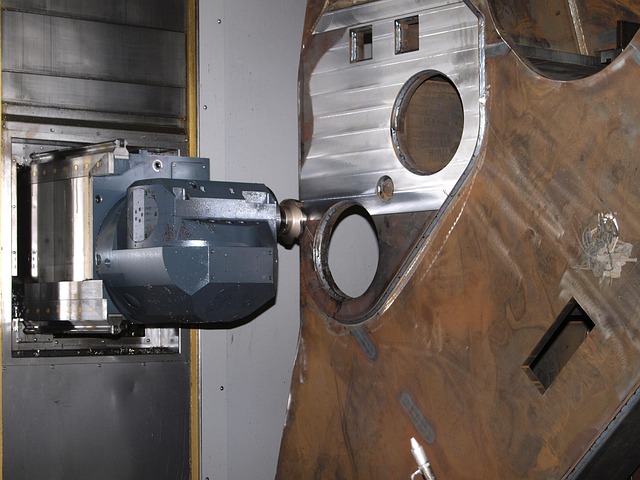
Defining Modern CNC Machinist Training Programs
A modern CNC machinist training program typically follows a structured curriculum centered on precision machining, CAD/CAM integration, and digital workflow management. Students engage with simulation-based learning platforms that replicate real machine operations, reducing costly trial errors during actual machining. These programs also emphasize certification pathways aligned with standards like ISO 9001 or NIMS credentials, ensuring alignment with evolving industry benchmarks. Many institutions now integrate Vectric VCarve or Fusion 360 into coursework, allowing trainees to design toolpaths and visualize outcomes before cutting material.
Understanding Traditional Apprenticeship Models
Traditional apprenticeships remain rooted in mentorship under seasoned machinists. Learners acquire skills by performing manual setups, adjusting feeds and speeds by ear, and solving practical issues on the shop floor. This model fosters craftsmanship through repetition and direct exposure to material behavior—how aluminum rings differently from steel or how a dull cutter feels through vibration. It’s slower but deeply immersive, producing machinists who can diagnose problems without relying on screens or sensors.
Depth of Technical Skills Developed in Each Pathway
Both paths develop strong technical foundations but diverge in their focus—digital fluency versus manual dexterity.
The Role of Digital Proficiency in Modern CNC Training
Digital proficiency defines the modern machinist’s edge. Students learn G-code programming, toolpath optimization, and machine calibration using advanced controllers. Integration with design software like VCarve enables them to simulate complex multi-axis operations virtually before execution. This exposure shortens setup time and enhances repeatability—skills prized in high-volume production environments where precision tolerances are measured in microns.
Manual Dexterity and Intuitive Skill Development in Apprenticeships
Apprenticeships excel at developing tactile awareness and intuitive control. Trainees learn to read feedback from machines—the sound of a clean cut or the resistance when a tool meets hardened stock. They adapt quickly when conditions change mid-process because they understand mechanics at a visceral level. Such intuition remains invaluable for prototype work or repair machining where digital models may not exist.
Alignment with Industry Demands and Technological Evolution
Manufacturing is shifting toward data-driven automation while still valuing hands-on expertise for flexibility.
The Shift Toward Smart Manufacturing and CNC Automation
Smart manufacturing integrates sensors, analytics, and automation into every stage of production. Multi-axis CNC systems now require operators fluent in both hardware configuration and software logic. Employers seek machinists who can manage hybrid workflows—setting up fixtures manually yet programming automated sequences efficiently. Data literacy has become essential for process monitoring, predictive maintenance, and continuous improvement initiatives across connected factories.
The Enduring Relevance of Traditional Skills in Modern Shops
Despite automation’s rise, traditional craftsmanship endures as a stabilizing force. Manual milling techniques remain crucial for one-off parts or urgent repairs where speed trumps digital setup time. Apprenticeship-trained machinists often excel at diagnosing mechanical faults that software cannot detect—like spindle misalignment or bearing wear identified by touch or sound. Balancing these analog instincts with digital precision creates shops capable of adapting to any production challenge.
Evaluating Learning Outcomes and Skill Retention Over Time
How knowledge is acquired affects not just immediate performance but long-term retention.
Structured Learning vs Experiential Mastery
Formal CNC programs provide standardized assessments that guarantee baseline competency across graduates. However, apprenticeships develop mastery through repeated exposure to diverse scenarios—each reinforcing lessons through context rather than theory alone. Blended learning models that combine classroom instruction with supervised practice yield the most comprehensive skill portfolios, equipping machinists for both automated systems and manual tasks.
Measuring Adaptability to Emerging Technologies
Graduates from structured programs often adapt faster to new CNC interfaces due to prior exposure to multiple control systems during training. In contrast, apprenticeship-trained professionals exhibit stronger mechanical intuition when integrating unfamiliar equipment because they grasp underlying physical principles rather than relying solely on software prompts. Continuous education remains vital for both groups as machinery evolves toward AI-assisted operation.
Integrating Vectric CNC Software into Both Learning Paths
Vectric VCarve has become a bridge between traditional machining principles and modern digital workflows.
Application of VCarve Workflows in Training Environments
In academic settings, VCarve allows students to visualize toolpaths before machining begins—a feature that drastically reduces scrap rates during early learning stages. Its modular structure supports progressive learning: starting from simple 2D contouring exercises up to complex 3D relief carvings used in mold making or signage industries. Students experiment safely within virtual environments by adjusting feed rates or spindle speeds before transferring parameters to physical machines.
Incorporating VCarve Techniques into Apprenticeship Practice
For apprentices already skilled in manual setups, adopting VCarve techniques enhances efficiency by translating hand-measured processes into repeatable digital formats. This connection helps them see how design intent becomes motion control commands on modern routers or mills. It also empowers small shops transitioning toward partial automation without abandoning their craftsmanship roots—a practical middle ground between tradition and technology.
Career Trajectories Emerging from Each Training Pathway
Career outcomes vary depending on whether one begins digitally trained or traditionally mentored—but convergence is increasing as industries blend both approaches.
Opportunities for Graduates of CNC Machinist Training Programs
Graduates typically enter advanced manufacturing facilities operating multi-axis routers or high-speed milling centers where familiarity with CAM tools like VCarve is essential. Their roles often expand beyond operation into process engineering or production optimization tasks involving data analysis from machine logs. With experience, many move into supervisory positions overseeing automated cells or training new technicians on digital workflows.
Career Growth for Traditionally Trained Machinists
Machinists trained through apprenticeships often thrive in custom fabrication shops or maintenance departments handling bespoke components requiring manual finesse. As these environments adopt partial automation, such workers transition naturally into hybrid technician roles combining analog adjustments with CNC programming oversight. Their deep experiential knowledge positions them well for leadership roles focused on mentoring younger machinists while maintaining quality assurance standards rooted in craftsmanship values.
FAQ
Q1: What distinguishes a CNC machinist training program from an apprenticeship?
A: A training program emphasizes structured classroom learning using simulation tools like VCarve, while an apprenticeship builds skills through direct mentorship and hands-on shop experience.
Q2: Which path better suits advanced manufacturing careers?
A: Structured programs align more closely with automated environments requiring CAM proficiency and data handling capabilities.
Q3: Can traditional apprentices adapt easily to CNC technology?
A: Yes, many do so successfully because their strong mechanical intuition helps them grasp machine behavior even when mediated by software interfaces.
Q4: How does Vectric software support skill development?
A: It provides visual simulations that help learners predict outcomes before cutting material, reducing errors and improving conceptual understanding of toolpaths.
Q5: Are hybrid learning models becoming standard?
A: Increasingly yes; combining formal instruction with experiential practice produces versatile machinists ready for both legacy equipment and smart manufacturing systems alike.