
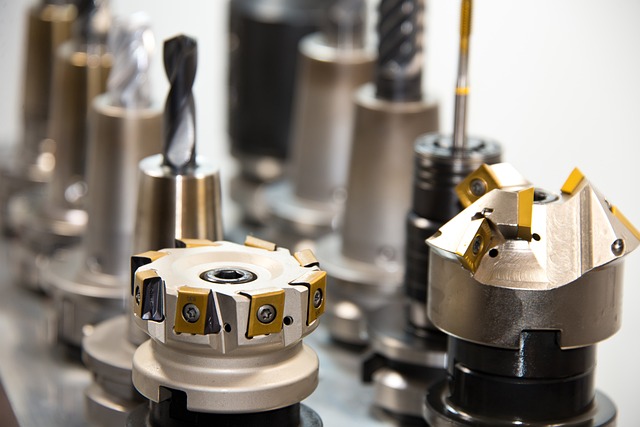
Is Aerospace Machining Redefining The Future Of High-Speed Manufacturing
The Evolving Definition of High-Speed Aerospace Machining
Aerospace machining has redefined what precision means in modern manufacturing. It is no longer just about cutting metal; it’s about integrating data, materials, and automation into one synchronized system. High-speed aerospace machining now serves as both a benchmark and a testing ground for the next wave of industrial innovation. The sector’s influence extends well beyond aircraft production—its standards shape automotive, energy, and even medical manufacturing. In 2026 and beyond, success in aerospace machining will depend on digital agility, material mastery, and real-time process control.
The Strategic Role of Aerospace Machining in Modern Manufacturing
The aerospace industry operates where tolerance errors are measured in microns and failure is not an option. This discipline has turned machining into a science of consistency and reliability, influencing nearly every precision-driven sector.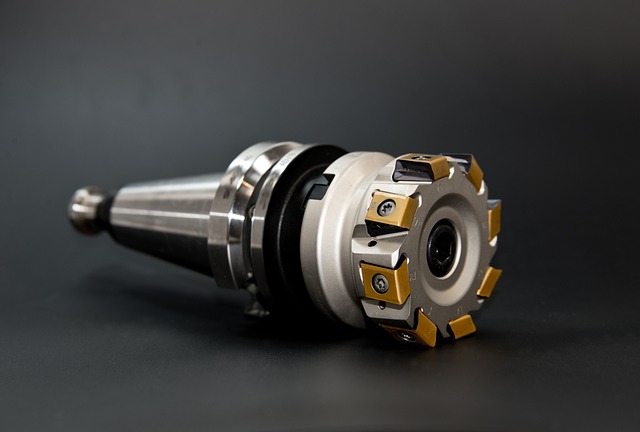
Understanding the Core Principles of Aerospace Machining
Aerospace machining emphasizes precision, consistency, and high-performance material handling. Every part—from turbine blades to landing gear components—must meet exacting dimensional requirements. Tight tolerances are standard practice, often within ±0.002 mm. Quality control runs parallel with production through continuous inspection loops using coordinate measuring machines (CMMs). Advanced CNC systems with multi-axis configurations have become essential for producing complex geometries while maintaining repeatable accuracy across long production runs.
How Aerospace Standards Influence Broader Manufacturing Practices
Aerospace standards have long served as the benchmark for other industries aiming to improve quality and efficiency. Automotive manufacturers adopt similar quality assurance protocols to achieve high-speed production without sacrificing reliability. The energy sector borrows lightweight design principles from aerospace to reduce mechanical load in turbines and generators. These cross-industry adoptions show that aerospace machining isn’t isolated—it acts as a catalyst for raising global manufacturing expectations.
Technological Advancements Driving Aerospace Machining Innovation
Technology has transformed aerospace machining from an art into a data-driven discipline. The integration of intelligent systems and simulation tools now defines how parts move from concept to final inspection.
Integration of High-Speed CNC Systems
Modern CNC controllers enable faster cycle times without compromising precision. Adaptive control systems dynamically adjust feed rates and spindle speeds based on live sensor feedback, preventing tool overloads during difficult cuts. Digital twins simulate entire machining operations before physical setup, minimizing waste and reducing lead time by up to 40%. These simulations also allow engineers to test different tool paths under virtual conditions that mirror real-world stress factors.
The Impact of Smart Tooling and Sensor-Based Monitoring
Embedded sensors inside cutting tools track parameters such as vibration, temperature, and tool wear in real time. This data feeds predictive maintenance algorithms that identify potential failures before they occur, reducing downtime significantly. Smart tooling systems maintain consistent surface finishes even at spindle speeds exceeding 20,000 rpm—a critical factor for aerodynamic surfaces like compressor blades or fuselage skins.
Material Science and Its Influence on Aerospace Machining Efficiency
Material behavior dictates how cutting strategies evolve in aerospace machining. As aircraft move toward lighter yet stronger structures, machinists face new challenges that demand constant adaptation.
Working with Advanced Alloys and Composites
Titanium alloys, Inconel superalloys, and carbon-fiber composites dominate modern aircraft construction due to their strength-to-weight advantages. However, these materials generate intense heat during cutting. Tool coatings such as titanium aluminum nitride (TiAlN) provide thermal resistance at high speeds while maintaining edge sharpness. Coolant delivery systems are redesigned for targeted flow directly at the cutting zone to manage heat buildup effectively.
Challenges in Machining Lightweight Materials for Aircraft Components
Weight reduction remains a central goal in aircraft design but introduces structural challenges during machining. Thin-walled parts tend to deform under clamping pressure or thermal expansion. Engineers employ vacuum fixturing or modular supports that adapt dynamically as material is removed, maintaining dimensional integrity throughout the process.
Automation and Digitalization Transforming Aerospace Production Lines
Automation has become the backbone of modern aerospace facilities where every minute counts toward profitability and safety compliance.
Role of Robotics in High-Speed Machining Cells
Robotic arms handle repetitive tasks such as part loading, unloading, or post-process cleaning with remarkable precision. Collaborative robots (cobots) extend this flexibility by working safely alongside human operators in small-batch or prototype production environments. Automated tool changers further enhance productivity by reducing non-cutting time between operations—a crucial improvement when dealing with complex multi-step components.
Data Integration Through Industry 4.0 Frameworks
Industry 4.0 principles reshape how aerospace plants operate globally. Real-time machine data collection allows centralized monitoring across multiple sites through cloud-based analytics platforms. These systems identify trends related to spindle performance or tool wear patterns over time, enabling remote diagnostics and adaptive tuning without halting production lines.
Precision Engineering as the Foundation of Future Aerospace Manufacturing
Precision engineering remains the invisible thread tying together design intent, material science, and digital manufacturing control within aerospace machining.
The Role of Metrology in Ensuring Accuracy at High Speeds
High-speed operations demand equally fast verification methods. Coordinate measuring machines validate geometric tolerances immediately after each stage of machining rather than waiting until final inspection. Laser scanning captures complex contours like turbine blades within seconds while maintaining sub-micron accuracy levels. Closed-loop communication between metrology systems and CNC controllers allows automatic correction when deviations occur mid-process.
Emerging Trends in Ultra-Fine Surface Finishing Techniques
Surface finishing has evolved into a critical aerodynamic factor rather than an aesthetic one. Micro-milling creates ultra-smooth channels for fuel injectors; abrasive flow machining polishes internal passages; laser-assisted finishing enhances fatigue life by refining surface microstructure. Hybrid processes combining additive manufacturing with subtractive finishing deliver both structural strength and surface perfection within one integrated workflow.
The Future Outlook: How Aerospace Machining Shapes Next‑Generation Manufacturing Ecosystems
Aerospace technology continues to ripple outward into other sectors seeking higher reliability standards and sustainability goals.
Cross‑Industry Applications of Aerospace Machining Technologies
Precision techniques developed for jet engine components now appear in medical implants requiring biocompatible metals machined at micron-level accuracy. Electric vehicle drivetrain manufacturers adopt similar high-speed cutting principles for aluminum housings to minimize weight while improving thermal performance. Sustainability initiatives inspired by aerospace drive resource-efficient production cycles across multiple industries through waste reduction strategies like closed-loop coolant recovery.
Preparing the Workforce for Advanced Aerospace Machining Environments
As automation deepens its role on factory floors, human expertise shifts toward digital interpretation rather than manual operation. Continuous training programs teach machinists how to interpret sensor data or modify code logic directly on smart CNC interfaces. Collaboration among software developers, materials scientists, and experienced machinists forms agile teams capable of responding quickly to new design requirements or unexpected system behaviors—an essential trait for competitiveness beyond 2026.
FAQ
Q1: What makes aerospace machining distinct from other precision manufacturing sectors?
A: It combines extreme tolerances with demanding materials like titanium or Inconel while integrating advanced digital monitoring systems for real-time feedback control.
Q2: How does automation improve efficiency in aerospace machining?
A: Robotics automate repetitive handling tasks while predictive maintenance powered by sensor analytics minimizes unplanned downtime across production cells.
Q3: Why are composites challenging to machine?
A: Their layered structure causes delamination under improper tool geometry or excessive heat; specialized cutters with sharp edges help mitigate this issue.
Q4: What role does metrology play during high-speed operations?
A: It provides immediate verification through CMMs or laser scanning so dimensional corrections can be applied automatically during ongoing processes.
Q5: How is workforce skill evolving with digitalized aerospace environments?
A: Operators now focus more on interpreting machine data streams and adjusting adaptive controls rather than traditional manual setups or routine inspections.