
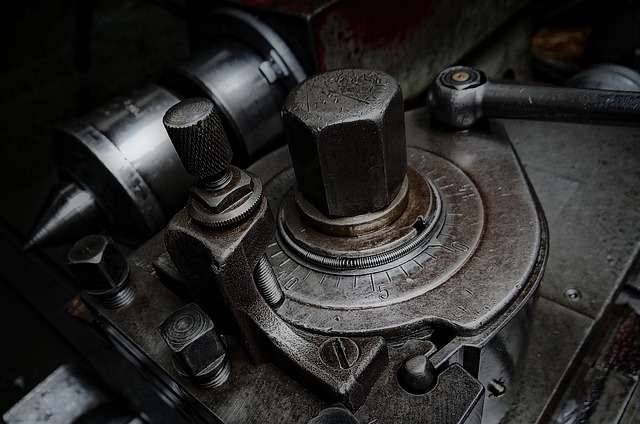
How CNC Training Shapes Precision When Changing Tools in Production
CNC Training Begins With Changing Tools
CNC training starts with one essential act: changing tools. This single process defines how precision, speed, and consistency evolve in modern machining. Tool changes are the heartbeat of CNC operations, influencing accuracy and uptime more than any other factor. A well-trained operator can transition between tools seamlessly, keeping production flow stable and part quality consistent. The foundation of every CNC program—whether for aerospace parts or automotive molds—rests on mastering this skill.
The Foundation of CNC Training in Modern Manufacturing
CNC training today forms the backbone of digital manufacturing environments. It aligns human skill with machine intelligence to produce repeatable precision at industrial scale. Beyond programming codes or reading blueprints, the training focuses on how operators interact with the machine’s mechanical core—especially during tool changes that define cycle efficiency.
Understanding the Core Objectives of CNC Training
CNC training equips operators with the skills to manage precision machining tasks where microns matter. Programs emphasize mastering tool change procedures to maintain production accuracy across multiple setups. Theoretical sessions explain spindle behavior, while hands-on practice connects these concepts to real cutting conditions. Trainees learn not only how to replace a tool but also why each adjustment affects dimensional outcomes.
The Relationship Between CNC Training and Production Efficiency
Proper training directly reduces downtime linked to tool changes. Skilled operators can identify worn tools early and adjust offsets before defects appear. This proactive control keeps spindle utilization high and scrap rates low. When every operator follows standardized methods, production runs stay consistent even across shifts or machines of different models.
The Role of Tool Changing in CNC Operations
Tool changing sits at the center of CNC reliability. Whether manual or automated, each changeover determines if a machine cuts within tolerance or drifts into error. Modern factories rely on precision in this stage as much as on cutting speed itself.
The Importance of Accurate Tool Change Procedures
Precision during tool changes ensures dimensional accuracy in finished parts. A misaligned tool can cause deviations that require costly rework or lead to scrapped material. Automated changers add convenience but demand careful calibration and operator oversight to prevent collision or offset errors that compromise part geometry.
Types of Tool Change Mechanisms in CNC Machines
Manual Tool Changes
Manual changes remain common in prototype shops or small-batch environments where flexibility outweighs automation cost. These require experienced hands familiar with torque limits, spindle cleanliness, and proper seating pressure to maintain runout control.
Automatic Tool Changers (ATC)
Automatic changers dominate large-scale production because they deliver repeatability and speed. However, their reliability depends on correct programming sequences and regular maintenance checks for magazine alignment and air pressure integrity.
How CNC Training Develops Precision Skills During Tool Changes
Training transforms mechanical repetition into refined skill through simulation and practice. Each exercise builds awareness of how small missteps affect overall system accuracy.
Simulation-Based Learning for Tool Change Accuracy
Virtual simulations let trainees perform tool swaps without risking damage to expensive equipment. Digital twins recreate real-world conditions so learners can test responses under simulated fault scenarios like mis-seated tools or sensor delays. These digital exercises sharpen diagnostic thinking before physical operation begins.
Hands-On Practice and Calibration Techniques
Practical sessions reinforce theory through tactile experience—aligning spindles, setting zero points, verifying offsets, and measuring runout using dial indicators or laser probes. Repetition under supervision builds muscle memory essential for consistent performance shift after shift.
Advanced Topics in CNC Training Related to Tool Management
As manufacturing systems grow smarter, CNC training expands beyond mechanical skill toward data-driven decision-making about tooling health and performance.
Integration of Sensor Technology and Smart Tooling Systems
Sensors now track wear patterns, vibration levels, and temperature fluctuations during cutting cycles. Smart tooling transmits this data back to control systems for predictive maintenance planning. Operators trained in interpreting these signals can intervene before tolerance drift occurs.
Programming Considerations for Automated Tool Changes
Tool Path Optimization Strategies
Efficient programming minimizes idle movement between tools by sequencing operations logically within machining cycles. Reducing non-cutting time not only speeds production but also lessens mechanical strain on changer arms.
Error Prevention Through Code Validation
Verifying G-code prevents incorrect tool selections or positioning commands that could cause collisions. Simulation software flags potential issues before execution so operators can correct code rather than repair damage later.
Quality Assurance Through Continuous CNC Skill Development
Sustaining precision requires ongoing learning cycles tied directly to measurable quality results from the shop floor.
Ongoing Assessment and Certification Programs
Regular evaluations confirm whether operators maintain required precision standards over time. Certifications validate competency in advanced procedures like multi-axis tool alignment or ATC diagnostics—skills critical for high-value manufacturing sectors.
Linking Training Outcomes to Production Quality Metrics
Inspection data often reveals a clear link between depth of training and defect frequency. Facilities that invest in structured programs see tighter process capability indices (Cp/Cpk) because operators react faster to deviations detected by measurement systems.
Future Directions in CNC Training for Precision Enhancement
Emerging technologies are reshaping how future machinists learn about tool management—from AI-driven analytics to collaborative robotics sharing workspace with humans.
Incorporating AI and Machine Learning into Operator Education
AI systems analyze performance logs from machines to identify operator skill gaps automatically. Adaptive modules then adjust difficulty based on proficiency levels, creating personalized learning paths that accelerate mastery without increasing risk exposure.
Collaborative Robotics and Human-Machine Interaction Training
Next-generation workshops teach operators how to coordinate with robotic assistants handling automated tool changes. This collaboration improves safety by reducing manual intervention while maintaining high precision during continuous production runs—even overnight shifts where fatigue once posed risk.
FAQ
Q1: Why is tool changing considered the starting point of CNC training?
A: Because it directly influences accuracy, efficiency, and machine uptime—the three pillars of successful machining operations.
Q2: What’s the main difference between manual and automatic tool changes?
A: Manual changes rely on operator skill for accuracy; automatic changers use programmed sequences but need careful calibration for reliability.
Q3: How do simulations help in CNC training?
A: They let trainees practice complex procedures safely while exposing them to fault conditions they might face later on actual machines.
Q4: Why are sensors important in modern tooling systems?
A: Sensors detect wear or vibration early so maintenance can be scheduled before part quality declines.
Q5: How does continuous certification affect production quality?
A: It keeps operator skills aligned with evolving standards, reducing variability across shifts and improving long-term output consistency.