

Was The Wisconsin Jury Fair In The $5.5M Menards Forklift Injury Verdict
Overview of the Menards Forklift Injury Verdict
The Menards forklift injury verdict in Wisconsin has drawn attention from legal and corporate safety experts alike. It highlights how workplace negligence, jury fairness, and evidence presentation intersect in high-value personal injury litigation. The $5.5 million award against Menards serves as a case study in how juries weigh corporate responsibility and worker safety under Wisconsin law.
Background of the Lawsuit
The case originated from an incident at a Menards store where a customer sustained severe injuries after being struck by a forklift operated by a store employee. The plaintiff alleged that Menards failed to maintain proper safety protocols and did not adequately train or supervise its forklift operators. The injuries included multiple fractures, chronic pain, and long-term mobility impairment that significantly reduced the plaintiff’s earning capacity.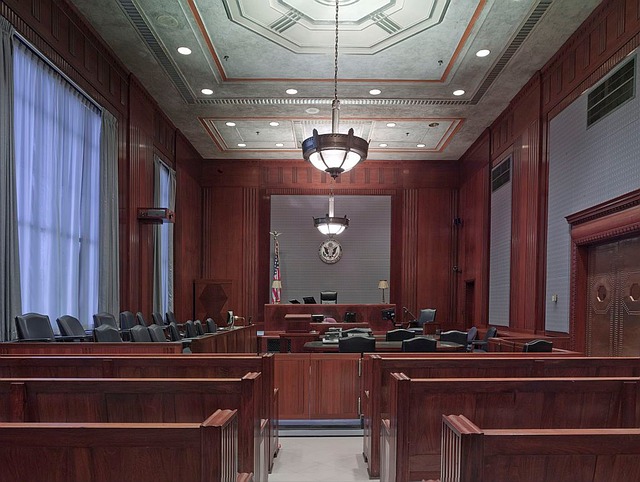
The lawsuit was filed in Wisconsin circuit court, progressing through pretrial motions and discovery over several years before reaching trial. During this time, both sides presented extensive evidence regarding forklift safety standards, operational procedures, and medical evaluations of the plaintiff’s condition. The trial culminated in a jury verdict that underscored the importance of corporate accountability in retail environments where heavy machinery is used.
The Jury’s Decision and Award Breakdown
The Wisconsin jury awarded $5.5 million to the plaintiff, dividing the compensation between economic and non-economic damages. Economic damages covered medical expenses, lost wages, and future care costs, while non-economic damages compensated for pain, suffering, and diminished quality of life. Jurors found Menards primarily liable for failing to implement adequate safety measures but also considered whether the plaintiff bore any contributory negligence.
Wisconsin law follows a modified comparative negligence standard under Wis. Stat. § 895.045(1), allowing recovery if the plaintiff’s fault does not exceed that of the defendant. In this case, jurors determined that Menards bore overwhelming responsibility due to its control over workplace conditions and employee training obligations.
Jury instructions emphasized Wisconsin’s pattern civil jury instructions (WIS JI–Civil), which guide jurors on evaluating negligence based on ordinary care standards. These instructions help ensure consistent application of state tort principles across cases involving industrial or retail accidents.
Legal Standards Governing Jury Fairness in Wisconsin?
Jury fairness forms the cornerstone of civil litigation integrity in Wisconsin courts. When large corporations like Menards face significant damage claims, impartiality becomes even more critical to preserve public trust in verdicts.
Understanding Jury Impartiality Under Wisconsin Law
During voir dire—the preliminary stage of jury selection—attorneys examine potential jurors for biases or preconceived opinions that might affect their ability to decide impartially. Wisconsin courts apply an objective test: whether a reasonable person in the juror’s position could remain fair despite prior experiences or beliefs.
Pretrial publicity can complicate this process when local media coverage influences community perceptions about corporate defendants or workplace safety issues. Courts may allow expanded questioning or even venue changes if bias risks are substantial. Parties can challenge jurors for cause or use peremptory strikes to exclude those whose impartiality is doubtful.
Procedural Safeguards Ensuring a Fair Trial
Wisconsin civil procedure provides multiple safeguards to maintain fairness throughout trial proceedings. Judges oversee evidentiary rulings and instruct juries on applicable law to prevent misinterpretation of complex liability issues. If misconduct arises—such as improper communication among jurors—post-trial motions can seek relief under Wis. Stat. § 805.15 for new trials based on irregularities affecting substantial rights.
Appellate review further checks potential errors by examining whether procedural fairness was upheld during deliberations or verdict formation. This layered oversight reinforces confidence that large awards like the Menards verdict result from lawful deliberation rather than bias or passion.
Evaluating Evidence Presented During Trial
Evidence presentation played a decisive role in shaping how jurors perceived both liability and damages in this forklift injury case.
Key Testimonies and Expert Opinions
Expert witnesses testified regarding industry standards for forklift operation and occupational safety practices within retail warehouses. Their testimony established that operators must maintain clear visibility zones and adhere to OSHA regulations requiring pedestrian-safe pathways around active forklifts.
Medical experts provided detailed accounts linking the plaintiff’s injuries directly to impact forces from the forklift collision rather than preexisting conditions. Such testimony helped quantify long-term disability impacts on work capacity—a key factor influencing economic damages.
Juror perception often hinges on credibility cues: consistent narratives, professional demeanor, and alignment with documentary evidence such as accident reports or surveillance footage all contributed to witness believability during trial.
The Role of Corporate Responsibility Evidence
Menards’ internal safety manuals and training records became central exhibits at trial. Plaintiffs argued these documents revealed systemic lapses—insufficient operator supervision and inadequate signage warning customers about active equipment zones.
OSHA compliance data were introduced to show whether Menards met federal workplace standards at the time of injury. Any deviation from OSHA norms strengthened claims of negligence per se by demonstrating breach of statutory duty designed to protect public safety.
Prior incidents involving forklifts at other Menards locations were also discussed to establish patterns suggesting broader corporate indifference toward risk mitigation—a factor juries often weigh heavily when determining punitive exposure even if none was formally sought here.
Comparative Analysis with Similar Wisconsin Injury Verdicts?
Examining comparable verdicts helps contextualize whether $5.5 million aligns with prevailing trends across similar industrial injury cases statewide.
Trends in Workplace Injury Compensation Awards
Recent Wisconsin cases involving heavy machinery accidents have produced awards ranging between $2 million and $8 million depending on injury severity and employer conduct levels. For instance, verdicts following construction-site crane mishaps or warehouse equipment failures often include substantial non-economic components due to lifelong disability implications.
Given these precedents, the Menards outcome sits within an expected range for catastrophic injuries caused by operational negligence rather than intentional misconduct—a reflection of consistent jury valuation patterns across jurisdictions emphasizing worker protection values embedded within state tort law traditions.
Influence of Jury Composition on Verdict Outcomes
Demographic diversity among jurors frequently shapes attitudes toward corporate accountability versus individual responsibility narratives presented during trial arguments. Rural counties may yield different outcomes than urban centers like Milwaukee due to varying exposure levels to industrial employment contexts.
Socioeconomic factors also influence damage perception; jurors from working-class backgrounds might empathize more strongly with injured laborers facing permanent physical limitations compared with those viewing injuries through purely financial lenses.
Broader Implications for Corporate Liability and Safety Practices?
Beyond this single verdict lies a broader message about operational diligence expectations placed upon large retailers employing heavy machinery near customers or untrained staff members.
Lessons for Employers from the Menards Case
Employers must prioritize comprehensive forklift operator certification programs aligned with OSHA Standard 1910.178 requirements covering inspection routines, load handling techniques, and pedestrian awareness training modules. Regular refresher courses reduce accident likelihood while documenting compliance efforts useful during litigation defense phases.
Risk management frameworks should integrate real-time monitoring tools—like geo-fencing alerts—to prevent unauthorized equipment operation near public aisles or display zones where customers congregate unexpectedly during store hours.
Impact on Future Litigation Strategies in Wisconsin Courts
This verdict will likely influence settlement dynamics across pending personal injury suits against major retailers operating warehouse-style facilities statewide. Plaintiffs’ counsel may cite it as persuasive authority illustrating community intolerance toward lax enforcement of internal safety policies involving forklifts or similar equipment hazards.
Defense attorneys might respond by emphasizing early mediation efforts coupled with transparent disclosure of remedial measures post-incident aimed at demonstrating proactive reform rather than reactive liability acknowledgment before future juries assessing comparable claims within Wisconsin’s evolving tort environment.
FAQ
Q1: What caused the Menards forklift injury lawsuit?
A: A customer was seriously injured after being struck by a forklift operated by a store employee who allegedly failed to follow proper safety procedures inside a Menards retail location in Wisconsin.
Q2: How much compensation did the jury award?
A: The jury awarded $5.5 million divided between economic damages such as medical costs and lost wages, plus non-economic damages for pain and suffering.
Q3: What legal standard did Wisconsin apply regarding negligence?
A: The court applied Wisconsin’s modified comparative negligence rule under Wis. Stat. § 895.045(1), allowing recovery unless the plaintiff was more at fault than the defendant.
Q4: How did expert testimony influence the outcome?
A: Experts clarified forklift operation standards, linked medical findings directly to accident trauma, and validated claims that inadequate training contributed significantly to injury occurrence.
Q5: What lessons can employers take from this case?
A: Employers should invest heavily in certified operator training programs, periodic equipment inspections, documented compliance audits, and proactive hazard communication systems to prevent similar incidents leading to costly litigation outcomes.