Fanuc CNC controls explained for machine shops and OEM buyers
A practical guide to Fanuc CNC control families, Series 500i-A capabilities, shop-floor integration, and selection factors for machining operations.
Read More
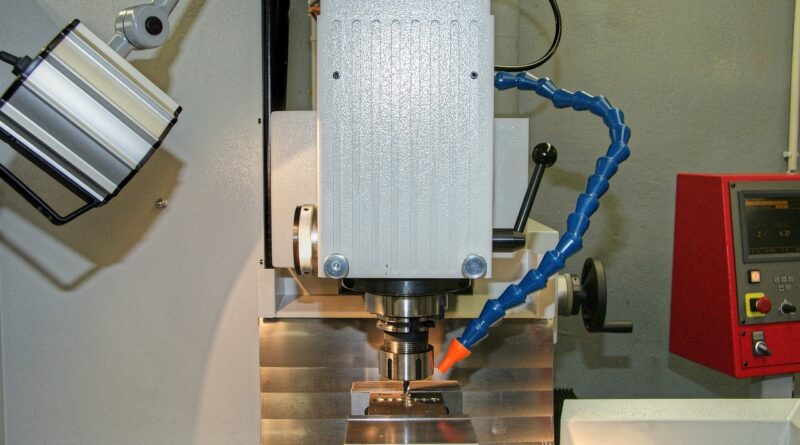
A practical guide to Fanuc CNC control families, Series 500i-A capabilities, shop-floor integration, and selection factors for machining operations.
Read More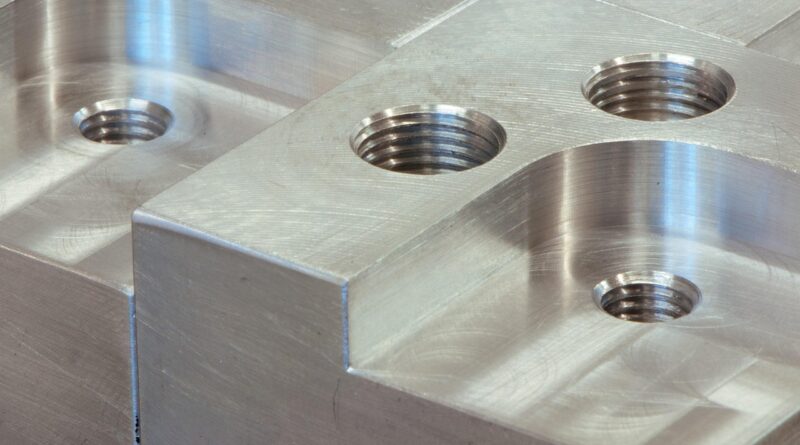
Surface machining is the controlled removal or refinement of material on a part face to achieve the required flatness, texture, function, and appearance. This guide explains common methods, process variables, inspection terms, and practical decision points for manufacturing teams.
Read More
Effective CNC training is not only about learning G-code. It should connect programming, setup, metrology, tooling, safety, and troubleshooting so learners can move from operating machines to making reliable parts.
Read More
Abrasive water jet machining uses high-pressure water and hard abrasive particles to erode material without the thermal damage associated with many heat-based cutting processes. This guide explains how the process works, where it fits in manufacturing, and what engineers should specify when part quality matters.
Read More
Mazak CNC programming usually comes down to choosing between MAZATROL conversational programming, EIA/ISO G-code, and CAM-posted programs. This guide explains where each approach fits, how hybrid workflows are used, and what shops should verify before releasing a job to production.
Read More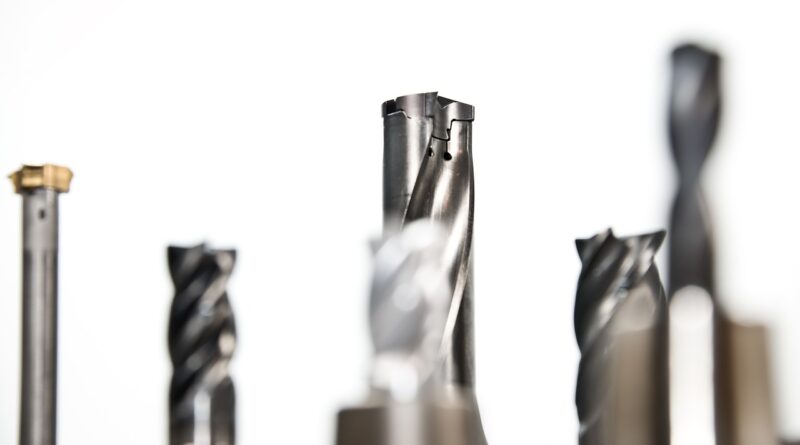
A CNC 3018 is a compact desktop router format suited to engraving, PCB work, plastics, wood, and cautious light milling. This guide explains what the size means, where the limits are, and how to evaluate one before buying or upgrading.
Read More
The best CNC choice is not a brand or a generic ranking. It is the machining route that fits the part geometry, material, tolerance, volume, inspection needs and production risk.
Read More
Burrs in machining affect assembly, safety, inspection, sealing, fatigue-sensitive features and finishing cost. This guide explains why burrs form, how to reduce them at the cutting stage and how to choose a practical deburring method.
Read More
A CNC machining center combines CNC control, automatic tool changing and rigid workholding to complete multiple operations in one setup. This guide explains the main machine types, key specifications and selection trade-offs.
Read More
Rough machining is the high-stock-removal stage that shapes a workpiece before semi-finishing or finishing. This guide explains how CNC shops choose roughing strategies, tools, allowances, and inspection checks.
Read More