
Is the Ball Burnishing Process More Efficient Than Grinding for Surface Enhancement
What Defines the Ball Burnishing Process Compared to Grinding?
The ball burnishing process and grinding are both finishing methods, but their basic ways of working differ a lot. You can see burnishing as a way to improve the surface, while grinding focuses more on shaping and fixing exact sizes. Both aim for smooth finishes, but they work on different physical ideas that affect how strong parts are and how much they cost to make.
I recall a time in a factory where we had to choose between these for shaft parts. It made a big difference in the end results.
Fundamental Principles and Mechanisms of Ball Burnishing
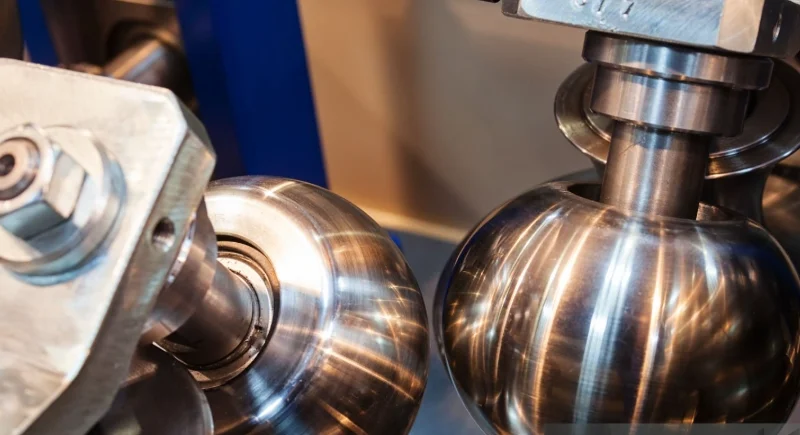
Ball burnishing uses plastic deformation instead of cutting away material. In this method, a tough ball or roller pushes on the surface. This causes small-scale plastic flow that levels out high spots into low areas. The outcome is a smoother feel with better hardness and compressive leftover stresses. This cold working method boosts resistance to tiredness because the added stresses fight against crack starts. It is commonly used right after basic machining to improve surfaces without changing the overall shape.
Core Characteristics of Grinding Techniques
Grinding employs rough grains stuck in a wheel to take off material through slicing action. Each grain works like a tiny cutting tool, creating small pieces from the workpiece surface. The method reaches very close size limits, which is why it is key in exact making, like in airplane parts or tool dies. But because of heat from rubbing, grinding can lead to heat damage or tiny cracks if cooling is not done right. Surface roughness relies on things like wheel grit size, turning speed, and feed rate.
Comparative Overview of Process Mechanics
To put it simply, ball burnishing changes the texture; grinding sets the shape. Grinding makes a lot of heat and needs cooling systems to stop burns or bending. On the other hand, burnishing is all cold working. The pick between them depends on what you value most: exact size control or surface strength. For instance, if you make tough shafts that need shiny finishes and better tiredness life, burnishing could come after grinding as the last step. In one shop I heard about, they saved time this way on batches of 500 parts.
How Does Surface Quality Differ Between Ball Burnishing and Grinding?
Surface quality shows how parts hold up under pressure or rubbing contact. Both methods can make fine finishes, but their textures vary at a tiny level—burnished surfaces get smoothed by plastic flow; ground surfaces get cut by machine action.
Surface Roughness and Texture Improvement in Burnishing
Burnishing can create shiny finishes with Ra values under 0.1 µm on bendable metals like steel or titanium mixes. The rolling motion presses small peaks into dips, cutting down on surface bumps that might hold dirt or start wear. By lessening spots where stress builds up, it lengthens tiredness life a great deal—an edge that is vital for turning parts like crankshafts or hydraulic pistons. Think of a bike chain; a burnished one lasts longer without squeaks.
Achievable Surface Finish Through Grinding Operations
Grinding gives steady roughness good for tight fits or sticking coatings. With good settings—fine-grit wheels and careful feeds—it can hit Ra values near 0.2–0.4 µm. Still, for super-smooth needs like lens parts or bearing tracks, extra polishing might be required to remove leftover marks from the rough grains.
Comparative Evaluation of Surface Integrity Outcomes
Burnished surfaces often have compressive leftover stresses that help against tiredness. Ground surfaces tend to show pulling zones close to the under layer because of heat growth during cutting. These pulling stresses can shorten part life unless fixed by extra steps like shot peening or heating to relax. In tests, burnished gears outlast ground ones by up to 30% in heavy use.
In What Way Does Each Process Affect Mechanical Properties?
Mechanical traits near the surface decide how long a part will endure under repeated loads or rubbing wear. Each method changes these traits in different ways due to its base action—plastic flow versus rough removal.
Influence of Burnishing on Hardness and Fatigue Strength
Ball burnishing raises near-surface hardness through work hardening, but it does not change the main material makeup. The compressive stresses added boost fight against tiredness cracks and wear from rubbing. This suits parts that face repeated stress, like gears or valve seats, where lasting strength counts more than size fixes. For example, in car engines, burnished valves handle heat cycles better.
Effects of Grinding on Material Microstructure and Stress Distribution
Grinding creates local heating that might change the tiny structure near the surface layer—sometimes making re-tempered martensite in steels if it gets too hot. It also brings pulling stresses that can start cracks under load. So, careful control of settings is needed to avoid burns or weakening of structure.
Comparative Impact on Component Durability and Performance Stability
Burnished parts usually keep longer tiredness life under repeated loading. Their compressive stress areas stop crack spread. Ground parts get tighter sizes but may require stress-relief steps later to keep steady work over time. Industry folks often note that mixing both gives the best of both worlds, though it adds a bit of setup hassle.
Which Process Offers Greater Production Efficiency?
Production efficiency covers not just time per cycle but also how long tools last and costs in big runs.
Cycle Time and Process Throughput in Burnishing Operations
Ball burnishing has quick processing times. Rolling contact covers big areas fast without making chips or mess. It often skips extra finishing like polishing or honing, which smooths out the making flow. This is especially true in CNC setups where auto pressure control keeps things even across parts. One plant cut their finishing time by half using this.
Processing Efficiency and Tool Wear in Grinding Applications
Grinding is slower because of its chip-taking nature and the need to dress the wheel often to keep it sharp. Tool wear changes steadiness; dull grains raise rubbing heat, leading to bad finish over long jobs.
Comparative Cost-Efficiency Analysis in Industrial Settings
Burnishing cuts costs on supplies since it skips rough bits that wear fast. Grinding has higher upkeep from changing wheels and handling coolant systems. For big production where size needs are not too strict, burnishing is usually cheaper in the long run. But if precision is key, grinding wins despite the extra expense.
How Do Material Types Influence Process Selection?
How a material acts under pressure decides if you pick ball burnishing or grinding for top results.
Suitability of Ball Burnishing for Ductile Materials
Ball burnishing fits best with bendable metals like aluminum mixes, brass, soft steel, and titanium. There, plastic flow happens easily under push without crack danger. Hard materials like ceramics do not work well—they break instead of bending under load. I’ve seen brittle parts shatter during trials, so it’s not worth the risk.
Compatibility of Grinding With Hard or Brittle Materials
Grinding shines when handling toughened steels, carbides, or ceramics that need exact shape forming. Burnishing cannot do this well because of low bend ability. Cooling systems are vital here to spread out heat that might cause heat cracks in breakable bases.
Decision Factors Based on Material Behavior Under Stress
Material toughness sets how deep plastic flow goes in burnishing; softer ones let changes reach farther, boosting load handling more. On the flip side, heat sensitivity shapes grinding choices—too hard settings might harm the tiny structure in a bad way. Picking right often comes down to trial runs in the shop.
What Are the Environmental and Operational Considerations?
Today’s making cares more about green ways along with good work; so, green effects are now part of picking methods.
Energy Consumption Patterns Between Both Processes
Since it skips high-speed rough forces, ball burnishing uses less power than grinding jobs. Grinding needs big energy to beat rubbing at fast turns. This power saving helps green goals in fields pushing for lower pollution marks.
Waste Generation and Coolant Usage Comparison
No material is removed in burnishing, so waste is almost zero. Grinding makes metal scraps that need throwing out, plus used coolant full of bits—a big green issue in cutting shops now. Shops dealing with tons of swarf know the cleanup headache all too well.
Maintenance Requirements and Equipment Longevity
Burnishing tools last long because wear is small; they roll, not cut, against surfaces. Grinding machines need regular fixes like wheel balancing and dressing, which cut down on machine run time in long making.
Can Hybrid Approaches Combine the Strengths of Both Methods?
In many current finishing setups, you find mixed ways that join grinding’s exactness with burnishing’s surface boost—a real-world mix between shape control and work improvement.
Sequential Application Strategies in Finishing Lines
A usual order is grinding first for size fixes, then ball burnishing for texture smoothing. This blends exact shape with better rubbing behavior, like lower friction in use tests on shafts or bearings. It works great for parts that see daily wear.
Integration Potential Within Automated Manufacturing Systems
Mixed tools in CNC machines let auto shifts between steps. Adaptive sensors tweak force on the fly—this boosts repeat work while cutting hand setup in old multi-step areas.
Performance Benefits Achieved Through Combined Processing
Done right, these methods give top results: ground bases set exact shape, while burnished layers add compressive stress for better tiredness hold. Smoother textures also keep oils better, raising trust in low-oil spots common in machine drives. From what I’ve seen in reports, this combo can extend part life by 40% in tough conditions.
FAQ
Q1: What is the main difference between ball burnishing and grinding?
A: Ball burnishing smooths surfaces through plastic deformation without removing material; grinding removes material using abrasive cutting edges for dimensional accuracy.
Q2: Can ball burnishing replace polishing?
A: In many cases yes—it produces mirror-like finishes eliminating separate polishing steps especially on ductile metals where cold flow achieves low roughness levels efficiently.
Q3: Why does grinding sometimes cause cracks?
A: Excessive heat during abrasive contact creates tensile stresses near the surface leading to microcrack formation unless cooling systems control temperature effectively.
Q4: Which process gives better fatigue strength?
A: Burnished surfaces generally perform better since compressive residual stresses hinder crack propagation improving fatigue resistance over time.
Q5: Is hybrid processing cost-effective?
A: Yes—combining both allows precise shaping via grinding followed by enhanced durability from burnishing reducing total finishing time while boosting performance quality overall.