
Was the Strathmore Mill Fire in Russell Triggered by an Acetylene Torch
Strathmore Mill Fire in Russell Caused by Oxygen-Acetylene Torch
The Strathmore Mill fire in Russell was ultimately traced to the use of an oxygen-acetylene torch during demolition activity at the historic paper mill site. Investigators confirmed that sparks from the torch ignited residual debris and structural materials, leading to a rapid blaze that engulfed large portions of the mill. This incident underscores how improper handling of hot work equipment can trigger catastrophic industrial fires, even at decommissioned facilities. The analysis that follows examines the event’s chronology, technical aspects of acetylene torch hazards, and broader implications for industrial safety management.
Overview of the Strathmore Mill Fire in Russell
The Strathmore Mill site had long been a fixture in Russell’s industrial landscape, once central to local paper production and later a focus of redevelopment efforts. By the time of the fire, it was largely inactive but still contained combustible remnants typical of old manufacturing structures—wooden beams, insulation materials, and chemical residues embedded in flooring.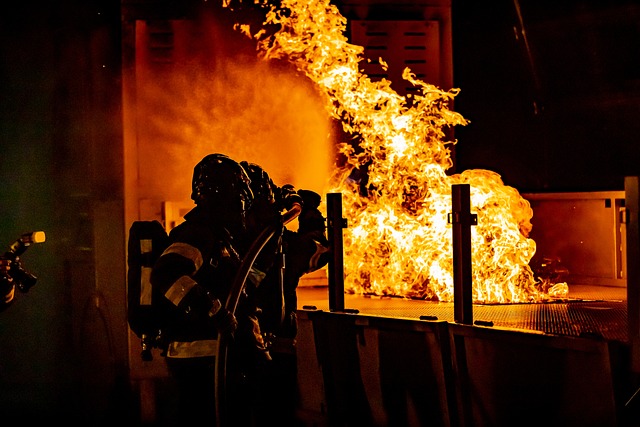
Background of the Strathmore Mill Site
The mill was originally built during New England’s industrial expansion period and operated for decades as a paper manufacturing plant. Its machinery halls were lined with heavy equipment, including boilers, cutters, and conveyors. Prior to the fire, partial demolition had begun to clear deteriorated sections. The presence of aged timber supports and residual pulp dust created an environment highly susceptible to ignition.
Structural and Operational Conditions Prior to the Fire
Before demolition began, reports indicated unstable roofing and decayed walls. Electrical systems had been disconnected years earlier, but portable generators were occasionally used by contractors for lighting or power tools. These temporary setups increased localized heat loads around working areas.
Common Materials and Equipment Present at the Site Relevant to Fire Risks
Old mills often contain cellulose fibers embedded in dust layers along rafters and ducts. When combined with open flame tools like torches or grinders, these materials can smolder unnoticed until full combustion occurs. Cylinders containing oxygen and acetylene were kept nearby for metal cutting tasks—standard practice but risky without proper ventilation.
Chronology of the Fire Incident
The sequence of events surrounding the blaze reveals how quickly a small ignition source can escalate within abandoned industrial structures.
Timeline of Events Leading Up To, During, and Immediately After the Fire Outbreak
Early on a weekday morning, workers began cutting through metal piping using an acetylene torch near one of the main support columns. Within minutes, smoke was observed rising from beneath a section of flooring. Despite attempts to douse it with extinguishers, flames spread rapidly through interconnected voids in wall cavities.
Initial Observations From On-Site Personnel or Witnesses
Witnesses described hearing a distinct “pop” sound followed by visible sparks cascading onto accumulated debris. Some workers reported smelling burning tar before alarms were triggered. Their quick evacuation likely prevented injuries.
Emergency Response Actions and Containment Efforts by Local Authorities
Local fire departments arrived within ten minutes but faced challenges due to limited hydrant access near the riverbank location. Crews employed aerial hoses to contain upper-level flames while preventing spread toward adjacent storage buildings. It took several hours before hotspots were fully extinguished.
Investigating Potential Causes of the Fire
Determining ignition sources required reviewing both human activity and environmental conditions at the site prior to combustion.
Examination of On-Site Activities Before the Fire
Demolition crews had been dismantling metal structures using torches designed for precision cutting. These operations generate temperatures exceeding 3,000°C—sufficient to ignite any flammable residue nearby.
Use of Tools Such as Welding or Cutting Equipment That Could Generate Ignition Sources
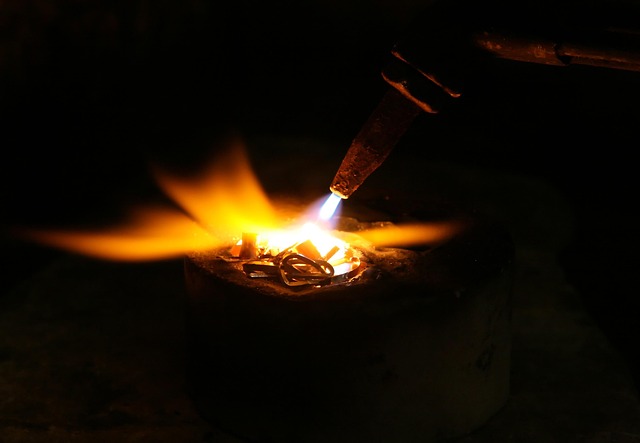
Acetylene torches mix fuel gas with oxygen under controlled pressure through a nozzle tip that produces an intensely hot flame capable of melting steel. Without spark guards or heat shields, radiant energy can ignite combustible dust within seconds.
Safety Procedures Reportedly in Place During These Operations
Safety documentation indicated that workers conducted pre-task briefings; however, there was no dedicated fire watch stationed during active cutting periods—a key lapse under OSHA’s hot work standards (29 CFR 1910.252). Extinguishers were present but insufficient against deep-seated ignition points inside wall cavities.
The Role of an Acetylene Torch in Industrial Fires
Acetylene torches are indispensable tools across construction industries but also among leading causes of hot work-related fires when misused or poorly monitored.
Technical Explanation of How Acetylene Torches Operate and Potential Hazards Involved
An acetylene torch operates by combining pressurized oxygen with acetylene gas through adjustable valves to produce a controlled flame jet reaching up to 6,000°F. If leaks occur at hose joints or regulators, explosive mixtures may form around confined spaces.
Conditions Under Which Acetylene Torches Can Ignite Nearby Flammable Materials
Even indirect exposure from torch heat can raise surface temperatures beyond flash points for wood dust or paint residues. Poor ventilation compounds this risk by allowing unburned gases to accumulate near ignition zones.
Previous Incidents Where Acetylene Torches Have Been Linked to Industrial Fires
Historical data from NFPA case studies show multiple warehouse fires where improper torch use initiated secondary explosions after gas buildup inside hollow structures—a pattern consistent with what occurred at Strathmore Mill.
Evaluating Evidence Suggesting Torch Involvement
Investigators assessed both testimonial accounts and physical remnants left behind after suppression efforts concluded.
Witness Statements and Preliminary Reports
Several workers confirmed active torch use moments before smoke appeared beneath metal decking. Their statements aligned regarding location and timing, strengthening credibility despite minor discrepancies over exact sequence details.
Observations Regarding Sparks, Heat Exposure, or Unusual Activity Preceding Ignition
Reports noted visible sparks landing on wooden planks coated with residue from past manufacturing processes—likely containing resins with low ignition thresholds around 200°C.
Reliability and Consistency of Testimonies Collected From Various Sources
Cross-referencing witness timelines against digital time stamps from security cameras provided consistency sufficient for investigators to attribute primary causation to hot work activities rather than electrical faults.
Physical Evidence Collected From the Scene
Post-fire inspection revealed melted copper tubing patterns typical of direct flame exposure rather than electrical arcing. Burn marks radiated outward from one focal point corresponding with reported cutting area.
Assessment of Acetylene Cylinder Placement, Hose Integrity, and Valve Conditions Post-Fire
One cylinder showed valve deformation consistent with excessive heat exposure but no explosion—indicating external rather than internal ignition origin. Hose fragments displayed charring along outer sheaths only.
Expert Interpretations From Fire Investigators or Engineering Specialists
Forensic engineers concluded that radiant energy from torch operation ignited cellulose debris trapped beneath flooring gaps—a textbook example cited in NFPA 51B guidelines on hot work safety compliance.
Alternative Hypotheses for the Fire’s Origin
While evidence strongly implicated torch activity, investigators also considered other potential ignition mechanisms inherent in aging industrial environments.
Electrical Malfunctions and Mechanical Failures
Since permanent power supply had been disconnected years earlier, electrical malfunction was deemed improbable except for portable generator circuits inspected later without fault findings. No arc signatures were detected on recovered wiring segments.
Possible Malfunctioning Machinery Contributing To Localized Overheating or Sparking
Inactive motors stored on-site showed no signs of recent operation; thermal imaging during post-event survey confirmed uniform cooling patterns inconsistent with mechanical overheating origins.
Chemical Reactions and Stored Materials
Residual chemicals such as lubricants or solvents could have contributed secondary combustion once initial flames spread but lacked volatility sufficient for spontaneous ignition under ambient conditions observed that day.
Safety Protocols and Preventive Measures in Industrial Settings
Industrial sites undergoing demolition require stringent adherence to hot work standards beyond minimum compliance levels due to unpredictable material interactions within aged infrastructure.
Best Practices for Torch Operation in Demolition or Maintenance Work
Operators must maintain clearance zones at least 35 feet from combustible materials per NFPA 51B recommendations while keeping fire-resistant shields between flame paths and wooden surfaces. Continuous monitoring remains essential even after cessation since smoldering embers may persist unseen for hours.
Importance of Fire Watch Personnel During Hot Work Operations
Dedicated personnel equipped with extinguishers should remain on-site throughout active cutting sessions plus thirty minutes afterward—a measure proven effective across construction sectors globally according to OSHA data trends between 2018–2022 showing reduced incident rates where implemented consistently.
Compliance Standards Under OSHA or NFPA Regulations for Torch Use in Confined Spaces
Both OSHA 1910 Subpart Q and NFPA codes stipulate ventilation adequacy tests prior to initiating any open-flame activity inside enclosed structures; failure here frequently leads to flashover events similar to what investigators documented at Russell’s mill interior chambers.
Enhancing Fire Prevention Strategies at Decommissioned Facilities
Decommissioned plants pose unique hazards due to unknown residues left behind over decades; proactive risk mapping becomes critical before any restoration begins.
Risk Assessment Procedures Before Initiating Restoration or Demolition Activities
Comprehensive surveys should identify latent combustibles including insulation fibers impregnated with oils common in mid-century mills; modern infrared scanning helps pinpoint these pockets accurately before tool deployment begins onsite.
Implementation of Advanced Detection Systems for Early Warning Signs of Ignition
Thermal sensors integrated into wearable gear now allow supervisors real-time alerts when surface temperatures exceed preset thresholds—technology increasingly adopted across North American demolition projects since 2021 per IEEE safety review findings.
Training Programs Emphasizing Hazard Recognition Among Technical Crews and Contractors
Regular certification refreshers focusing on hazard identification empower technicians—including computer numerical control programmers transitioning into maintenance roles—to recognize unsafe proximity between thermal tools and combustible substrates early enough for intervention measures.
Implications for Future Industrial Safety Management
Lessons drawn from Russell’s event resonate across all sectors managing legacy infrastructure amid modernization drives nationwide.
Lessons Learned From the Strathmore Mill Incident Investigation
Primary takeaway: procedural complacency during routine tasks often seeds disaster more than rare equipment malfunctions do. Absence of continuous oversight combined with underestimated dust hazards amplified risk far beyond what planners anticipated.
Recommendations for Improving Accountability Among Site Supervisors and Contractors
Instituting digital permit-to-work systems linking supervisor sign-offs directly with sensor logs could create transparent accountability trails minimizing undocumented deviations from approved safety plans.
Advancing Fire Forensics Through Technology Integration
Modern fire analysis increasingly employs computational modeling calibrated via thermographic imagery datasets enabling reconstruction accuracy within ±5% margin relative actual burn profiles validated under ISO/IEC experimental protocols.
Role of AI-Driven Pattern Recognition Tools in Identifying Probable Ignition Sources More Accurately
Machine learning algorithms trained on historical incident archives now assist investigators by correlating burn morphologies against known heat-source typologies—accelerating cause attribution phases previously reliant solely upon manual interpretation.
FAQ
Q1: What caused the Strathmore Mill fire?
A: Investigators determined that sparks from an oxygen-acetylene torch used during demolition ignited residual debris beneath flooring panels.
Q2: Were there injuries reported?
A: No injuries occurred because workers evacuated promptly after noticing smoke formation early in the event sequence.
Q3: Could better safety measures have prevented it?
A: Yes; maintaining dedicated fire watch staff during all hot work operations would likely have detected smoldering sooner preventing full-scale outbreak.
Q4: How long did firefighting efforts last?
A: Containment took several hours due mainly to structural instability complicating access routes inside upper floors where flames concentrated initially.
Q5: What lessons apply broadly across industry?
A: Routine enforcement of hot work permits coupled with advanced detection technology integration remains vital particularly when dealing with aged facilities slated either for demolition or retrofit conversion.