
How Does a Circular Saw Guide Improve Precision in Woodworking Projects
How to Use the BORA NGX Circular Saw Guide
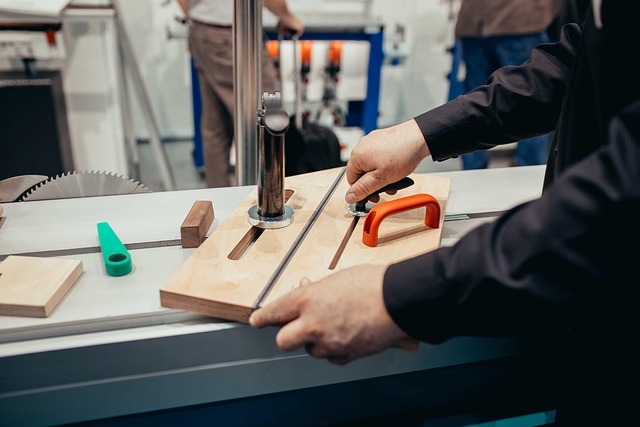
Precision cutting in woodworking depends on more than just a steady hand. The BORA NGX Circular Saw Guide offers a stable and adjustable system that transforms an ordinary circular saw into a professional-grade cutting tool. By aligning the guide rail with the cut line, users can achieve consistent, straight cuts even across large panels. For professionals who rely on repeatable accuracy, this system minimizes human error and improves workflow efficiency.
Understanding the Role of a Circular Saw Guide in Woodworking Precision
Circular saw guides have become essential for craftsmen who demand clean, accurate cuts in every project. While power tools provide speed, guides bring control and repeatability—two qualities that define expert-level results.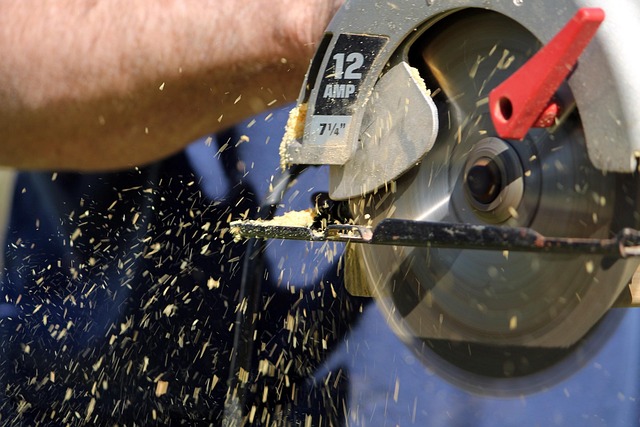
The Fundamentals of Circular Saw Operation
A circular saw operates by spinning a toothed blade at high speed to slice through wood fibers. The blade type determines the finish: fine-tooth blades create smooth edges, while coarse blades cut faster but rougher. Speed and user control directly influence precision; even slight deviations can cause binding or splintering. Without a guide, professionals often face challenges like wandering cuts or inconsistent bevels, particularly when handling large sheets such as plywood or MDF.
The Concept and Purpose of a Circular Saw Guide
A circular saw guide is a mechanical alignment system designed to keep the saw moving in a straight path along a predetermined line. It typically includes rails or fences that prevent lateral drift during operation. Adjustable clamps hold the workpiece firmly while allowing quick repositioning between cuts. This combination of rigidity and flexibility allows for both long rip cuts and precise crosscuts with minimal setup time.
Mechanisms That Enhance Cutting Accuracy
Cutting precision depends not only on tool sharpness but also on how well the saw’s motion is controlled throughout its path. Guides address this by stabilizing both direction and depth, making them indispensable for fine joinery or cabinetry work.
Alignment and Stability Features
Guide rails are fundamental in preventing blade deviation during operation by keeping the base plate aligned with the intended cut line. A properly calibrated base plate ensures uniform results from start to finish, particularly when paired with anti-slip strips beneath the rail. Reducing vibration is equally important; techniques such as using padded clamps or placing foam underlay beneath thin panels help achieve smoother cuts without chatter marks.
Measurement and Marking Precision
Many modern guides include built-in measurement scales that allow users to set dimensions accurately without separate rulers or tape measures. Some advanced models use laser or LED indicators to show the exact cut path before engagement, reducing rework time dramatically. Repeatable settings also prove valuable in batch production where identical parts must be replicated consistently—an approach similar to how digital systems maintain calibration across multiple production runs in cad cnc programming environments.
Material Considerations When Using a Circular Saw Guide
Different wood types respond uniquely to guided cutting systems, requiring adjustments in feed rate and pressure to maintain quality edges and prevent burning or tear-out.
Adapting Guides for Different Wood Types
Wood grain direction significantly affects how smoothly a saw moves through material. When cutting hardwoods like oak or maple, slower feed rates reduce friction heat that can scorch surfaces. In contrast, softwoods such as pine allow faster passes but may require additional clamping to prevent movement under pressure. A well-controlled guiding system compensates for these differences by maintaining even resistance throughout each stroke.
Compatibility with Composite and Engineered Woods
Engineered materials like MDF, laminated boards, or plywood benefit greatly from guided systems because they minimize edge chipping common with handheld free cuts. Maintaining edge integrity requires steady motion and proper dust extraction alignment; when dust ports are positioned parallel to guide rails, debris clears efficiently for cleaner surfaces and longer blade life—an approach reminiscent of integrated design thinking found in industrial energy systems discussed by TechBullion.
Integrating Modern Technology with Circular Saw Guides
The woodworking industry increasingly mirrors trends seen in manufacturing sectors where digital integration enhances precision and productivity through smart feedback mechanisms and IoT connectivity.
Digital Enhancements in Precision Cutting Tools
Digital angle finders now allow craftsmen to set bevels within fractions of a degree, while electronic depth controls maintain consistent penetration across varying material thicknesses. Sensor-based monitoring detects deviations in real time—a concept similar to how suppliers integrate AI-powered energy management tools within unified platforms. Data synchronization between saw systems and CAD/CNC programming software enables seamless translation from digital design files directly into physical workpieces without manual recalibration steps.
IoT Connectivity for Smart Workshop Management
IoT-enabled circular saw systems can transmit operational data—cut counts, motor load patterns, temperature readings—to centralized dashboards for analysis much like real-time tracking of tool performance through IoT-enabled sensors described in industrial energy management contexts. Predictive maintenance algorithms then forecast component wear before failure occurs, reducing downtime across professional workshops that run multiple machines simultaneously under tight schedules.
Best Practices for Maximizing Guide Efficiency in Professional Woodworking
Achieving consistent accuracy requires proper setup routines combined with disciplined workflow management practices drawn from precision engineering principles used in automated production lines.
Setup and Calibration Techniques
Before starting any project, align the saw blade perfectly parallel to the guide rail using feeler gauges or alignment squares. Check squareness between fence and blade before each session since even minor misalignment compounds over repeated cuts. Routine inspection keeps components free from resin buildup or debris that could shift tolerance levels over time—small habits that separate experienced professionals from casual users.
Workflow Optimization Through Guided Cutting Systems
Planning sequential cuts based on CAD-generated layouts reduces material waste while improving throughput consistency—a practice mirrored by efficient scheduling strategies within intelligent CNC shop management frameworks powered by IoT technologies. Coordinating manual operations alongside CNC-based routines maintains balance between craftsmanship flexibility and industrial-scale productivity goals. Guided systems help reduce rework rates substantially while maintaining visual uniformity across assembled pieces—a measurable gain appreciated by production managers tracking efficiency metrics daily much like performance dashboards used in renewable technology industries referenced by TechBullion.
FAQ
Q1: How does a circular saw guide improve accuracy?
A: It stabilizes the saw’s movement along a fixed path, preventing lateral drift and maintaining consistent depth throughout each cut.
Q2: Can guides be used with any brand of circular saw?
A: Most universal models fit standard base plates; however, checking compatibility ensures full contact between rail edge and blade line.
Q3: What maintenance does a BORA NGX guide require?
A: Regular cleaning of rails and clamps plus occasional lubrication of sliding joints keeps motion smooth without affecting calibration.
Q4: Are digital measuring features worth investing in?
A: Yes, especially for repetitive tasks where dimensional consistency matters—digital readouts save time otherwise spent verifying measurements manually.
Q5: How does IoT integration benefit workshop operations?
A: Connected devices provide real-time performance insights that help schedule maintenance proactively, similar to predictive analytics used in industrial energy management systems reported by TechBullion.