
Why Do Experts Prefer CNC Laser Cutting Machine Solutions For Versatile Fabrication
The Role of CNC Laser Cutting Machines in Hybrid Job Shops
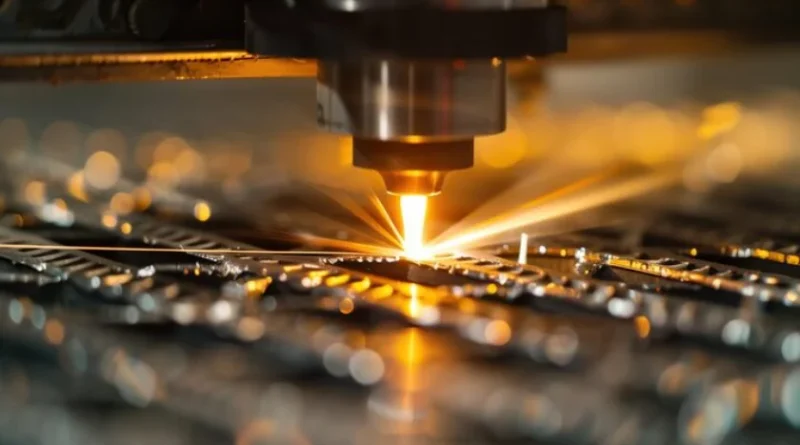
Hybrid job shops are changing the way modern manufacturing works. They mix different machining methods to deal with all sorts of materials in a single building. Production needs are getting trickier these days. So, the type of cutting tool you pick really impacts how flexible, exact, and money-saving the process can be. A CNC laser cutting machine really stands out. It offers great precision and the ability to adjust easily. That makes it a main piece of equipment in places where metals, woods, plastics, and mixed materials all get used together. This article takes a look at how CNC laser systems work in these mixed setups. It also covers their strong points compared to other approaches, ways to blend them into operations, and the upcoming changes that will shape this technology. In fact, many shops today find that adding one of these machines opens doors to new kinds of jobs they never thought possible.
Defining Hybrid Job Shops and Their Material Challenges
Hybrid job shops act as flexible production spots. They handle many types of materials in a single work flow. These places often switch back and forth. One minute, they cut stainless steel parts for factory machines. The next, they engrave wooden or acrylic pieces for creative projects. The big problem is keeping the same level of quality. Materials have very different ways they react to heat and force. Metals, for example, need powerful beams to cut deep. Wood and plastics require careful control of power. Otherwise, they might burn or melt. It’s like trying to cook different foods on the same stove without messing up the taste.
How CNC Laser Technology Fits into Multi-Material Environments
A CNC laser cutting machine works well in these kinds of places. It delivers energy in a steady way. You can adjust the beam settings as needed. This power change lets workers go from thin aluminum sheets to thick plywood. They do it without needing to swap tools. The beam control keeps the focus sharp. It does this even if the material’s thickness changes. In mixed setups, the software has to match up well. Machines need to connect easily with current CAD/CAM systems. Design files can then move straight to the making stage. This connection cuts down on setup time. It also helps avoid errors from the people running it. For a real example, picture a shop that does car parts in the morning and custom furniture accents in the afternoon. The laser handles both without a long pause.
Evaluating the Capabilities of CNC Laser Cutting Machines
How well a CNC laser cutting machine does depends on its handling of various materials. It has to keep up good speed and exactness too. Different laser types, like fiber or CO₂, bring their own good points. These depend on what the job shop deals with most.
Material Compatibility and Cutting Performance
Fiber lasers lead the way in cutting metals. Their wavelength gets pulled in well by shiny surfaces. Think aluminum or brass. They make clean slices with very little waste buildup. This holds true even on heavy steel sheets. CO₂ lasers, by contrast, suit natural materials better. Examples include wood, leather, or acrylics. Their longer wavelength works nicer with non-metal areas. A lot of hybrid job shops buy systems with two lasers. Or they get ones with parts that swap easily. This way, they manage both types of work without stopping. No downtime means more pieces done in a day. From what I’ve seen in industry talks, shops that do this often double their output on busy weeks.
Accuracy, Speed, and Edge Quality Considerations
Being precise is a key good point for current CNC laser systems. Quick straight drives let them move fast. They still hold position accuracy to tiny bits, like microns. Heat effects, however, change a lot between materials. Metals might get a light color shift on the edges from warmth. Plastics could bend if the cooling isn’t enough. Better auto-focus tools keep the cut width steady. They work across changing thicknesses or stacked materials. This gives even edge finish. Often, it means no extra work to clean up. In one case, a factory cutting 1,000 plastic signs saw edges so smooth they skipped the sanding step, saving hours of labor.
Comparing CNC Laser Cutting with Other Cutting Technologies
Choosing cutting tools means looking at laser, plasma, waterjet, or basic mechanical ones. The pick comes down to mixing cost, exactness, and how well it fits different jobs.
Laser vs Plasma and Waterjet Systems
Plasma cutting is still a favorite for thick metal work. It’s pretty cheap per hour of cutting. But it can’t get the small details that lasers can. It leaves bigger gaps too. Those need more steps to fix later. Waterjet machines handle almost every material. They avoid bends from heat. However, they cost more to run. That’s because of the rough stuff they use up and their slower speed. A CNC laser cutting machine carves its own space. It gives tidy edges at fast paces. Plus, it uses less power than plasma or waterjet in most mixed shop situations. Take a shop making boat parts. The laser cuts thin sheets quick and clean, while waterjet would take twice as long.
The Role of Mechanical Cutting in Hybrid Operations
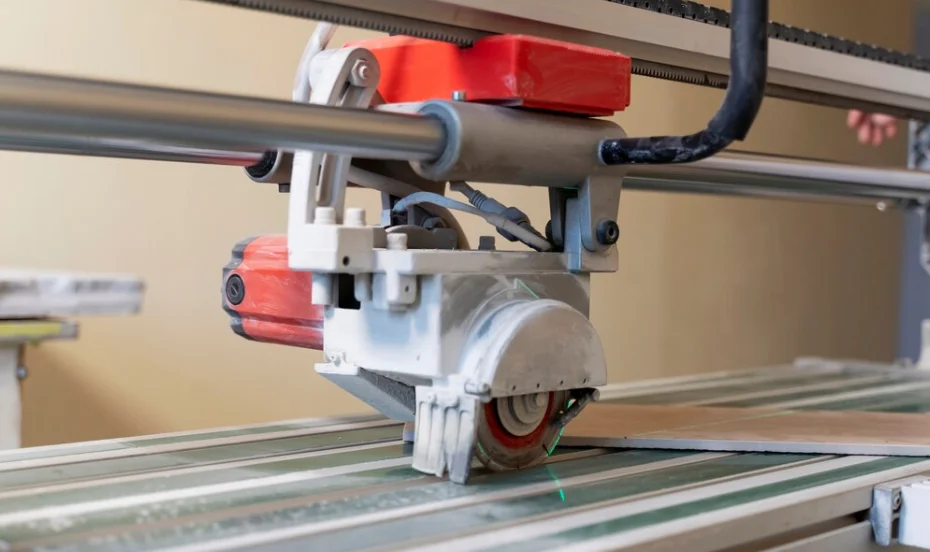
Laser tech has come a long way. Yet, mechanical ways like milling or routing still have important jobs. They shine in finish work where you need feelable surface details. Mixing mechanical trimming after laser cutting shapes can make parts ready to put together. They come right off the work area. This combined style lets workers use the best of each. Lasers bring speed. Traditional tools give touch-based exactness. All in one work flow. It’s practical, and in practice, many shops find this mix cuts total time by 15% or so.
Integration of CNC Laser Systems into Existing Job Shop Workflows
Putting a CNC laser cutting machine into a running job shop needs good planning. Think about software links and the shop’s setup. The goal is to get the biggest boost in getting things done.
Software Compatibility and Automation Readiness
Today’s CNC lasers link up straight with CAD/CAM programs. Designs turn into cut routes without trouble. Auto parts like sheet-packing tools cut down on waste. They place items smartly on boards or sheets for different materials. Live check systems watch the beam’s work, gas speed, and move details. This helps plan fixes ahead. It keeps the machine going strong, even in non-stop runs. One shop shared how this setup let them run 20-hour days with just one short break for checks.
Equipment Layout and Workflow Optimization Strategies
Where you put the machine matters. It should shorten the time to move items between steps. Like from cutting to smoothing or building. In jobs with mixed materials, safe areas are key. Pulling metal dust is not like clearing smoke from wood or plastic work. Right air systems guard workers and lens parts. They stop dirt from building up. That dirt could harm the beam’s sharpness over time. Good layouts make the whole process feel natural, like a well-oiled machine—pun intended.
Economic Factors Influencing the Decision to Adopt CNC Laser Technology
Money thoughts often decide if a hybrid job shop buys fresh tools. Starting costs look high next to old cutters. But the steady wins in how things run usually make it worth it.
Initial Investment vs Long-Term Operational Efficiency
Laser prices change a lot. It depends on power amount and auto features. Small 1 kW units fit light work. Bigger 12 kW ones handle thick plates. The first cost is large, no doubt. But daily running stays cheaper than plasma. Less power gets used per cut. Mechanical blades get dull with time. Lasers don’t wear out like that. Main extras are helper gases and cover lenses. You change them every now and then, not every day. Shops often see costs drop by 25% after the first year, based on real user stories.
Return on Investment for Hybrid Job Shops
Hybrid spots deal with all kinds of tasks. Quicker finishes lead right to more money. One CNC laser cutting machine can take the place of several special tools. It changes programs fast between materials. This ease pulls in customers from many areas. Sign makers want acrylic carvings. Plane suppliers need close titanium cuts. It widens money sources without more space. In numbers, a typical shop might add $50,000 in new sales the first year. That’s from jobs they couldn’t do before.
Future Trends in Multi-Material CNC Laser Cutting Technology
Tech steps keep changing what’s doable in mixed material cutting areas. Digital guides pair with flexible lenses.
Advances in Beam Control and Adaptive Processing Systems
New beam-shaping ways let users change the spot shape during a cut. This helps with different materials. For instance, make it tight for metals. Then loosen a bit for plastics in the same run. Sense-based loops go into control software. Live heat facts guide auto changes before issues pop up. It’s a big move to self-working cut areas. Picture a system that tweaks itself like a driver adjusting speed for rain—smooth and safe.
Emerging Opportunities for Hybrid Manufacturing Models
3D printing is getting common in factories. Pairing it with laser cutting opens fresh ideas for designs. Like light grid shapes printed then trimmed exact by the same group of machines. Data checks in smart factory setups improve mixed work flows. They look at make records to guess wear or plan times based on material patterns over months. This could mean fewer surprises, like when a shop suddenly gets a rush of wood jobs mixed with metal ones. Handling that without chaos is the real win.
FAQ
Q1: What makes a CNC laser cutting machine suitable for hybrid job shops?
A: Its ability to switch between materials quickly using programmable beam parameters makes it ideal for environments handling metals alongside wood or plastics without frequent tool changes.
Q2: Which type of laser works best for metals?
A: Fiber lasers perform best on metals like steel or aluminum because their shorter wavelength couples efficiently with reflective surfaces.
Q3: How does automation improve efficiency?
A: Automated nesting software arranges parts tightly on raw sheets reducing scrap rates while integrated sensors monitor system health minimizing downtime.
Q4: Can lasers fully replace mechanical cutters?
A: Not entirely; mechanical routing remains valuable for textured finishes or deep contouring beyond typical laser depth capability.
Q5: What future developments will influence multi-material cutting?
A: Adaptive beam shaping combined with AI-driven feedback control will enable machines to self-adjust during operation improving consistency across diverse material types.