
What Makes Catia Cnc Programming a Reliable Choice for Precision Machining
Catia Cnc Programming
CATIA CNC programming reshapes how precision machining is planned and executed. It merges design, simulation, and manufacturing into one connected workflow. Engineers using CATIA can move from 3D design to toolpath generation without losing data or geometry accuracy. This integration directly improves quality, reduces rework, and shortens production cycles. In industries like aerospace and automotive, where tolerances are tight and materials costly, CATIA CNC helps maintain consistency while automating complex machining strategies.
Overview of CATIA CNC Capabilities
Before diving into specific workflows, it’s essential to see how CATIA’s integrated environment supports high-precision manufacturing. The platform connects every stage of product creation—from concept design to final machining—within a single data model.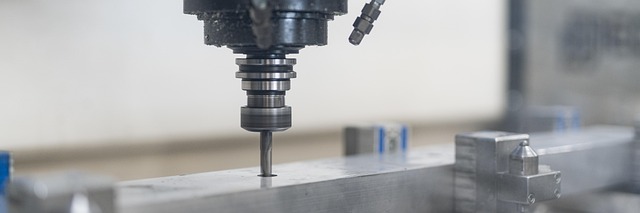
CATIA Integrates CAD, CAM, and CAE Tools for Seamless Manufacturing Workflows
CATIA combines computer-aided design (CAD), computer-aided engineering (CAE), and computer-aided manufacturing (CAM) in one system. This connection eliminates the need for multiple software transfers that often cause translation errors. A designer can create a 3D model, test its structural behavior through CAE tools, then generate machining paths directly in the same environment. This unified approach keeps geometry consistent and data synchronized across departments.
The Software Supports Multi-Axis Machining and Complex Geometry Handling
The software handles complex surface geometries common in turbine blades or injection molds. Its multi-axis capability—ranging from 3-axis milling to full 5-axis simultaneous cutting—allows precise control over tool movement. Engineers can simulate tool engagement with freeform surfaces to maintain smooth transitions and avoid overcutting.
Its Parametric Design Environment Ensures Consistency from Design to Production
CATIA’s parametric modeling links every dimension and feature back to the original design intent. When a designer modifies a part parameter—say, a hole diameter or surface offset—the associated machining operations update automatically. This associativity guarantees that the final product always reflects the latest design revision.
Integration Between Design and Manufacturing
In modern production environments, disconnects between design and manufacturing often cause costly delays. CATIA bridges this gap by maintaining associativity throughout the process chain.
CATIA Enables Direct Transition from 3D Models to CNC Toolpaths
Engineers can generate NC code straight from solid models without converting them into intermediate formats. This direct link prevents geometry distortion and saves hours of manual rework typically spent cleaning imported files.
Associativity Ensures That Any Design Modification Updates the Machining Program Automatically
When a designer adjusts the part model—for instance, changing pocket depth—the system automatically regenerates corresponding toolpaths. This dynamic link minimizes manual edits and reduces programming errors during late-stage revisions.
This Integration Minimizes Errors Caused by Manual Data Translation
Traditional workflows involve exporting files between CAD and CAM systems, which often leads to mismatched coordinate systems or missing features. CATIA eliminates these risks by sharing a common database across all modules.
Core Features That Enhance Reliability in CATIA CNC Programming
Reliability in machining depends on predictable tool behavior and accurate simulation of real-world conditions. CATIA provides advanced functions that make this possible even for intricate components.
Advanced Toolpath Generation and Optimization
The software creates efficient cutter paths optimized for both surface finish and cycle time. Users can preview material removal step-by-step through dynamic simulation before running actual machines. Built-in collision detection flags unsafe moves that could damage tools or fixtures.
Support for Multi-Axis and Complex Machining Operations
CATIA supports simultaneous control of up to five axes, allowing access to hard-to-reach surfaces without repositioning the workpiece. In aerospace applications, such control is vital for producing impeller blades or engine casings with micron-level precision. The system also manages tool orientation automatically to maintain constant contact angles on curved surfaces.
Accuracy and Process Control in CATIA CNC Workflows
Precision machining demands more than just good geometry—it requires tight process control throughout production.
Tolerance Management and Dimensional Accuracy
CATIA includes tolerance analysis tools that verify whether parts meet required dimensional limits before cutting begins. Integration with metrology equipment lets operators compare scanned measurement data against nominal models for closed-loop verification. Parametric modeling further maintains geometric stability when multiple revisions occur during prototyping phases.
Simulation and Virtual Validation of Machining Processes
Digital mock-ups reproduce machine kinematics virtually so users can validate toolpaths under realistic conditions. Material removal simulation visualizes stock evolution layer by layer, helping identify unmachined regions or excessive cuts early on. Detecting such issues digitally avoids expensive machine downtime later.
Efficiency Gains Through Automation and Data Connectivity
Efficiency gains come from reducing repetitive tasks and connecting manufacturing data across teams working on different stages of production.
Automation of Repetitive Programming Tasks
CATIA uses templates to automate recurring machining operations such as pocketing or drilling similar hole patterns across multiple parts. These templates embed best practices so less experienced programmers can follow proven methods consistently. Knowledge-based machining modules store expert strategies that adapt automatically based on feature recognition within new designs.
Data Integration Across the Manufacturing Ecosystem
By connecting with PLM systems like ENOVIA, CATIA centralizes product definitions, NC programs, setup sheets, and inspection plans in one location accessible enterprise-wide. Real-time collaboration allows designers, process engineers, and machinists to share updates instantly instead of waiting for manual document transfers. Every change remains traceable through version history logs that record who modified what—and when—ensuring accountability across departments.
Application Domains Where CATIA CNC Excels in Precision Machining
CATIA CNC programming finds its strongest adoption in sectors demanding extreme accuracy under strict certification standards such as aerospace or automotive tooling manufacture.
Aerospace Component Manufacturing
Aerospace parts often feature aerodynamic curves requiring continuous surface finishing at high speeds. CATIA’s 5-axis capabilities allow simultaneous motion along multiple planes while maintaining constant cutter engagement angles—a critical factor for titanium alloys used in jet engines. Specialized routines handle composite materials by adjusting feed rates depending on fiber orientation to prevent delamination during trimming operations.
Automotive Tooling and Mold Production
In automotive mold shops, engineers use CATIA to generate cavity shapes directly from digital car body models without redrawing contours manually. Automated electrode design speeds up EDM processes used for fine detailing inside molds or dies. As a result, lead times shrink significantly compared with traditional sequential workflows relying on separate CAD/CAM packages.
Continuous Improvement Through Simulation, Feedback, and Optimization
Continuous improvement within digital manufacturing relies on feedback loops that refine both software algorithms and shop-floor performance metrics over time.
Adaptive Strategies Based on Machining Feedback Data
Post-process analysis compares actual machine logs against simulated predictions to fine-tune feed rates or spindle speeds dynamically for future runs. When integrated with predictive maintenance systems using machine learning algorithms, this feedback helps schedule service intervals before failures occur—reducing unexpected stoppages while extending tool life expectancy.
Enhancing Reliability Through Continuous Software Updates and Customization Options
Regular software updates expand compatibility with emerging controller types like Siemens Sinumerik One or FANUC Series 30i while improving postprocessor accuracy for new tooling geometries introduced yearly by manufacturers such as Sandvik Coromant or Kennametal. Users can script custom macros tailored to their own fixture setups or inspection routines so each company’s workflow remains uniquely optimized around its production strengths rather than generic defaults.
FAQ
Q1: What makes CATIA CNC suitable for high-precision industries?
A: Its integration of CAD/CAM/CAE eliminates geometry translation errors while maintaining associativity between design changes and machining operations—crucial where tolerances are under 0.01 mm.
Q2: Can CATIA handle additive-manufacturing hybrid processes?
A: Yes, newer modules support hybrid manufacturing combining deposition with subtractive finishing within one environment using shared datasets for both stages.
Q3: How does simulation improve safety during setup?
A: Virtual machine simulations detect potential collisions between spindle heads or fixtures before physical trials begin, preventing costly crashes on real equipment.
Q4: Does automation reduce programmer flexibility?
A: Not necessarily; templates standardize routine tasks but still allow manual overrides so experts can fine-tune parameters when needed for unique materials or designs.
Q5: How does PLM integration enhance traceability?
A: Linking CATIA with enterprise PLM stores every revision alongside approval records ensuring full traceability from initial concept through final inspection reports across global teams.