
Why Are Metal Shears Experts Concerned About Milwaukee Ending Corded Models
Milwaukee No Longer Makes Any Corded Sheet Metal Shears… A Pity, Very Disappointing…
Milwaukee’s decision to discontinue its corded sheet metal shears marks a significant shift in the professional power tool landscape. The company’s move toward cordless-only solutions reflects broader industry trends but leaves a gap for metal fabricators who rely on continuous, high-torque performance. While cordless innovation has advanced rapidly, many experts view this change as premature for certain industrial applications where sustained power and precision remain non-negotiable.
The Shift in Milwaukee’s Product Strategy
Milwaukee’s transformation from corded to cordless technology signals more than a product update—it represents a strategic realignment toward mobility and digital integration. Yet this transition raises questions about how well battery tools can replace the reliability of traditional corded systems in demanding fabrication environments.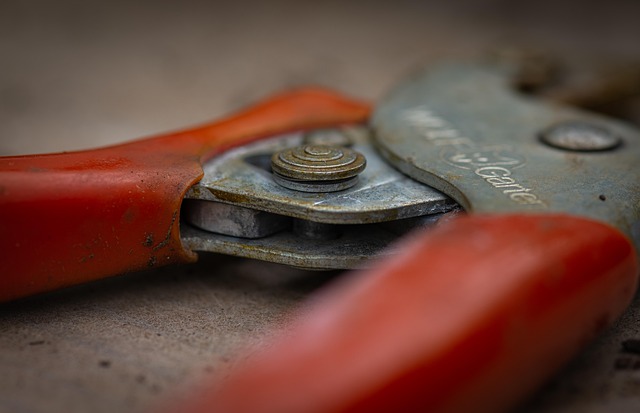
Transition from Corded to Cordless Power Tools
The broader move toward cordless tools stems from advances in lithium-ion technology and user demand for flexibility on job sites. Manufacturers, including Milwaukee, now prioritize portability over tethered power sources. This aligns with their long-term innovation roadmap focused on smart batteries, brushless motors, and connected tool ecosystems that collect performance data for predictive maintenance.
Market Trends Influencing Manufacturers to Prioritize Battery-Powered Tools
Across the global market, the shift is driven by efficiency standards and ergonomic preferences. Workers benefit from reduced trip hazards and faster setup times. According to data from the International Energy Agency (IEA), battery storage capacity in industrial equipment has grown by more than 25% annually over the past decade, reinforcing manufacturers’ confidence in cordless expansion.
How This Shift Aligns with Milwaukee’s Long-Term Innovation Roadmap
Milwaukee’s long-term plan emphasizes an all-cordless future built around its M18 and M12 platforms. The company invests heavily in battery chemistry improvements and electronic controls that stabilize output under variable loads. However, this forward-looking approach may overlook niche sectors—like heavy metal fabrication—where corded shears still outperform in torque consistency and duty cycle endurance.
Implications for Professional Metal Fabricators
For professionals shaping thick-gauge metals daily, tool reliability outweighs convenience. The removal of corded models forces workshops to reconsider workflows that depend on uninterrupted current supply.
Dependence of Certain Fabrication Processes on Sustained, Consistent Power
Processes such as continuous trimming or contour cutting require stable torque across long sessions. Corded shears deliver constant amperage without voltage drop-off, ensuring uniform cuts through stainless or galvanized sheets. In contrast, even premium cordless units can exhibit momentary slowdowns when batteries near depletion.
Challenges Faced When Replacing Corded Shears with Battery-Operated Versions
Switching to cordless versions introduces operational compromises—weight distribution changes due to integrated batteries alter handling balance, while runtime limitations demand frequent swaps or charging pauses. For production lines running multiple shifts, these interruptions accumulate into measurable productivity loss.
Potential Productivity and Precision Concerns in Heavy-Duty Applications
Precision cutting depends on consistent blade speed and torque delivery. Variations caused by fluctuating battery output can lead to uneven edges or micro-burr formation on thin alloys. Over time, these small deviations increase rework rates and affect overall finish quality.
Technical Differences Between Corded and Cordless Metal Shears
The engineering gap between corded and cordless designs remains substantial despite technological progress. Each system offers distinct trade-offs related to power stability, heat management, and operational endurance.
Power Output and Torque Consistency
Corded shears maintain steady torque ideal for thick or continuous cuts because they draw directly from mains electricity. Battery models rely on electronic controllers to manage voltage but still experience slight dips under heavy load. Prolonged high-current operation also generates more heat in compact housings, affecting motor lifespan if cooling is insufficient.
Battery Voltage Fluctuations Affect Cutting Performance Under Load
As batteries discharge, voltage sag reduces RPMs during demanding cuts. Even advanced lithium packs cannot fully replicate the linear power curve of AC-driven motors. In industrial use where cut uniformity matters millimeter by millimeter, such fluctuations become problematic.
Heat Management and Motor Efficiency Vary Between the Two Designs
Corded systems dissipate heat more effectively through larger casings and constant airflow from higher-capacity fans. Cordless units must balance compactness with thermal control; overheating protection circuits can momentarily throttle output—a safeguard that inadvertently slows work pace during intensive tasks.
Battery Limitations in Industrial Environments
Battery-powered tools excel in mobility but face durability constraints under factory conditions characterized by long cycles and heavy material throughput.
Runtime Constraints During High-Volume Metal Cutting Operations
In high-volume cutting scenarios, even extended-capacity batteries deplete quickly when powering shears through dense steel sheets. Downtime for recharging disrupts workflow continuity compared with plug-in alternatives that run indefinitely.
Impact of Battery Degradation on Tool Longevity and Reliability
Lithium cells degrade after hundreds of cycles, reducing both runtime and peak output over months of daily use. This aging effect shortens tool service intervals compared with corded models whose performance remains stable throughout their mechanical life span.
Charging Cycles and Downtime Considerations for Workshop Efficiency
Workshops must manage charging logistics—maintaining spare packs, chargers, and rotation schedules—to avoid idle periods. For small operations without dedicated maintenance staff, such coordination adds complexity that previously did not exist with simple cord management.
The Importance of Corded Shears in Specialized Applications
Despite market enthusiasm for cordless tools, certain fabrication disciplines still depend heavily on continuous electrical supply for accuracy and throughput consistency.
Continuous Operation Requirements in Sheet Metal Work
Large-scale sheet metal projects often involve extended straight-line cuts where any pause risks misalignment or material waste. Corded shears sustain operation without overheating or recharge breaks, making them indispensable for production-grade workstations handling aluminum panels or HVAC ducting components.
Precision Cutting and Material Compatibility Concerns
Stable RPMs are vital when trimming coated metals or forming intricate patterns where surface integrity matters. Even minor speed variation can mar finishes or distort fine contours—issues less likely with constant-current corded drives optimized for smooth acceleration curves.
Experts Value Predictable Performance When Working with Specialty Alloys or Coatings
When working with titanium composites or pre-painted steels used in architectural panels, predictable shear response ensures consistent edge quality across batches—a benchmark difficult for fluctuating battery outputs to match reliably over prolonged sessions.
Market Response and Expert Reactions to Milwaukee’s Decision
Milwaukee’s discontinuation sparked widespread debate among professionals who built entire workflows around its dependable corded lineup.
Concerns from Industry Professionals
Experienced fabricators express disappointment at losing trusted models known for durability under extreme use conditions. Many cite reduced brand diversity as limiting workshop customization since not all tasks benefit equally from cordless substitution.
Fear of Reduced Tool Diversity Affecting Workflow Customization in Workshops
Workshops often maintain mixed fleets tailored to specific materials—cordless units for quick field jobs, corded ones for stationary precision tasks. Eliminating one category forces compromise setups that may hinder optimal productivity balance across teams.
Discussion Among Professionals Regarding Adapting to Cordless-Only Ecosystems
Online forums reveal active discussions about adapting shop infrastructure around rapid-charging stations or investing in third-party brands still offering corded shears—a sign that loyalty alone may not offset practical limitations introduced by this corporate pivot.
Comparative Evaluation with Competing Brands
Other manufacturers continue supporting dual product lines catering both mobile tradespeople and stationary fabricators—a strategy viewed as more inclusive across user segments seeking performance flexibility.
Analysis of How Other Manufacturers Maintain Both Corded and Cordless Lines
Competitors like Makita or DeWalt still produce AC-powered metal shears alongside their battery ranges to cover full-spectrum user needs from field assembly crews to plant-based production operators requiring constant load capability.
Potential Shift of Loyal Milwaukee Users Toward Competitors Offering Corded Options
Market analysts anticipate migration among professionals unwilling to compromise on continuous torque delivery; maintaining brand loyalty becomes challenging when functional gaps emerge within essential tool categories like metal shearing equipment.
Market Perception Regarding Milwaukee’s Prioritization of Innovation Over Practicality
While innovation drives growth narratives appealing to investors, practitioners often judge brands by day-to-day reliability metrics rather than technological novelty—a tension evident across recent trade show feedback emphasizing “innovation fatigue” among experienced users seeking stability over reinvention cycles.
Future Outlook for Metal Shear Technology in the Industry
The evolution of metal shear technology will hinge on bridging existing performance gaps between battery convenience and wired endurance through smarter engineering solutions.
Advancements Needed in Cordless Tool Performance
Next-generation development must focus on improving torque regulation algorithms within brushless controllers while exploring solid-state battery chemistries capable of sustaining higher discharge rates without thermal penalties documented by IEEE energy storage research papers (IEEE Access 2023).
Integration of Smart Electronics to Manage Power Delivery Dynamically
Adaptive electronics could modulate current flow based on material resistance feedback—similar principles already applied within automotive EV systems—to stabilize shear response under varying workloads without manual intervention adjustments mid-cutting sequences.
Development of Hybrid Solutions Combining Corded Reliability with Cordless Flexibility
Hybrid configurations featuring detachable power modules might offer transitional answers: direct AC operation indoors plus portable DC mode offsite—a concept gaining traction among niche toolmakers experimenting with modular architectures inspired by industrial robotics design frameworks (ISO 8373:2022).
Opportunities for Niche Manufacturers and Custom Solutions
Smaller engineering firms see opportunity where major brands retreat—filling specialized demands left behind by discontinued legacy tools through bespoke manufacturing partnerships targeting high-end workshops valuing precision above portability promises.
Smaller Toolmakers May Fill the Gap Left by Discontinued Corded Models
Boutique producers already prototype heavy-duty electric shears optimized around constant-speed induction motors tuned specifically for stainless fabrication shops needing uninterrupted duty cycles exceeding eight hours daily operation benchmarks common within aerospace component plants globally reported by Bloomberg industry data (2024).
Custom-Built Shears Tailored for Industrial Use Could Gain Market Traction
Custom orders allow adaptation toward unique voltage standards or ergonomic preferences absent from mass-market offerings; such bespoke approaches appeal especially across European sheet-metal clusters prioritizing craftsmanship repeatability standards certified under ISO 9001 frameworks ensuring tight tolerance adherence batch after batch production runs year-round regardless seasonal variations affecting supply chains regionally monitored via Reuters manufacturing indices (Q2 2024).
FAQ
Q1: Why did Milwaukee stop making corded metal shears?
A: The company shifted focus entirely toward its M18/M12 cordless platforms as part of a broader innovation roadmap emphasizing mobility and smart connectivity features over traditional wired designs.
Q2: Are cordless metal shears suitable for heavy-duty fabrication?
A: They perform well for moderate workloads but struggle during extended high-torque operations due to limited runtime and potential voltage sag impacting precision consistency over prolonged sessions.
Q3: What alternatives exist now that Milwaukee discontinued its corded models?
A: Competing brands like Makita or DeWalt continue offering both AC-powered and battery variants suitable for workshops requiring continuous-duty performance without interruption risks inherent to charging cycles.
Q4: Can future battery technologies close the gap between corded and cordless performance?
A: Emerging solid-state batteries promise higher energy density plus improved discharge stability; however widespread adoption remains several years away pending cost reduction breakthroughs validated under IEEE testing protocols (2023–2025 projections).
Q5: How are professionals adapting after losing access to Milwaukee’s corded line?
A: Many integrate mixed-brand setups combining legacy corded units from other makers alongside new cordless tools while monitoring market entrants developing hybrid solutions bridging both operational modes efficiently within single chassis frameworks now under early-stage evaluation phases worldwide manufacturing expos 2024 reports suggest growing interest trajectory continuing upward trend next fiscal cycle projections indicate sustained demand resilience sector-wide despite consolidation pressures overall.