

Can a Chrome Surface Make Your Parts Last Longer?
What Is a Chrome Surface in Machining?
A chrome surface is used when a metal part has to slide, handle rubbing wear, or come back to size after service damage. In industrial surface finishing, chrome usually means electroplated chromium, not paint, powder coating, or a mirror polish by itself. The bright finish is easy to notice, but most buyers choose chrome for hardness, lower friction, and controlled repair build-up.
ASTM B650-23 describes engineering chromium coatings for ferrous substrates and lists common uses such as wear resistance, fretting resistance, friction reduction, corrosion resistance, and build-up of undersized or worn parts. ISO 6158:2018 also covers electroplated chromium coatings for engineering use, including metallic chromium with or without undercoats. (store.astm.org)
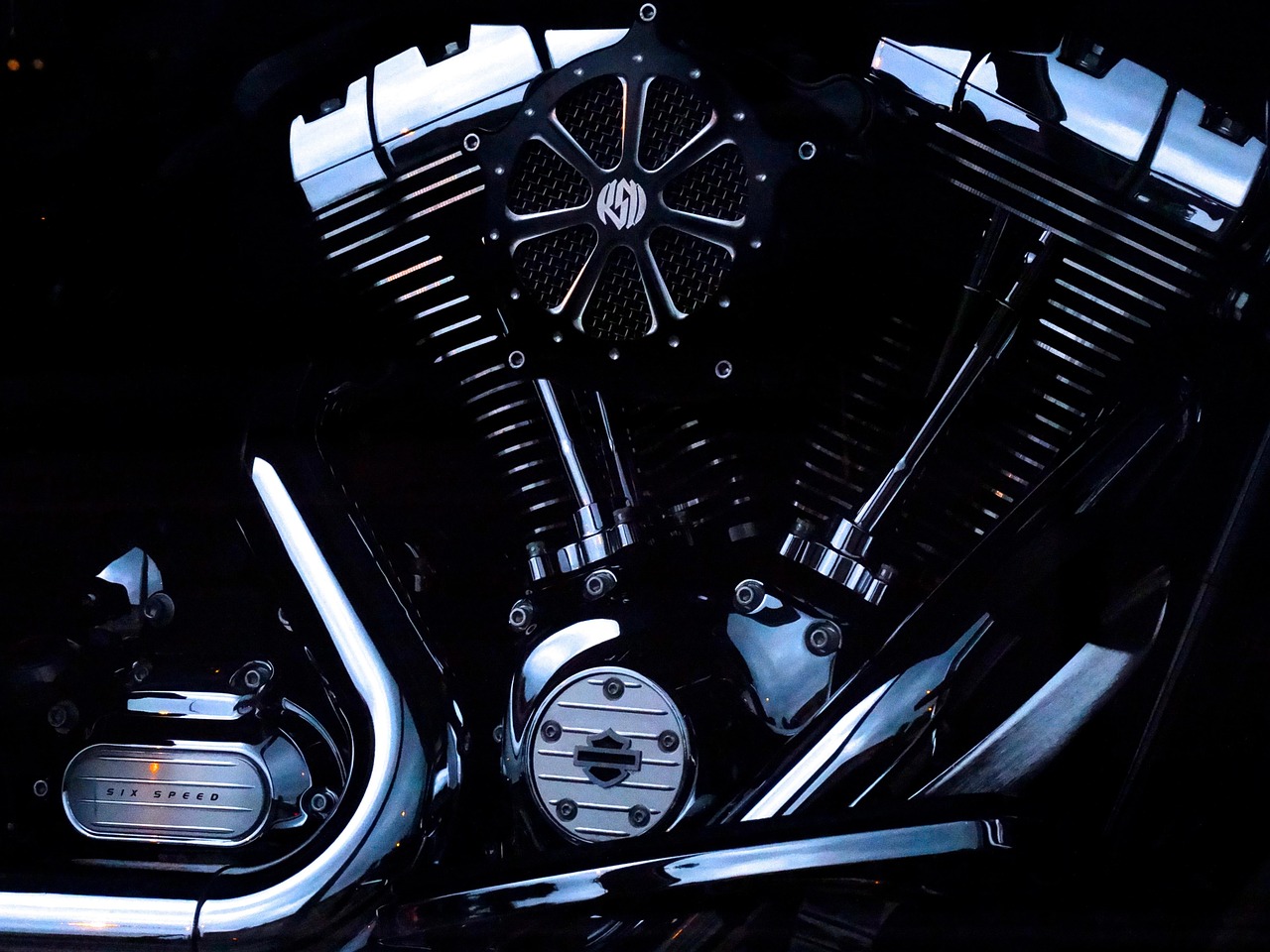
Functional Chromium Layer
Functional chrome, often called hard chrome, is plated for working performance. You see it on hydraulic rods, shafts, molds, rolls, and repair areas where sliding contact keeps wearing the base metal. It is not selected just because the part looks bright after plating. A properly plated part can reduce galling, stand up to abrasive dust, and keep a bearing or seal surface in service longer than bare steel in the same job.
Decorative Chrome Stack
Decorative chrome is a different type of finish. It is usually a thin chromium layer over nickel, and sometimes copper, to give a bright surface with some corrosion protection. Common examples include handles, trims, fixtures, and visible machine parts. If the part carries load, rubs against seals, or needs grinding after plating, decorative chrome is normally not the right choice.
Surface Finish Before Plating
Chrome follows the base surface more than many buyers expect. Deep tool marks, dents, weld spatter, and rough grinding lines can still show through, or they can become weak spots after plating. If you need a smooth chrome surface, the base metal should already be clean, solid, and close to the final shape before it goes into the plating line. The plater can improve the surface, but plating will not hide poor machining.
Where Does Chrome Surface Performance Matter Most?
Chrome is most useful when the outside of a part wears out while the core still has enough strength. This is common in production and repair work. A cylinder rod may stay straight but start cutting seals because of scratches. A mold pin may still measure straight but begin to stick. A roller may wear under size near one edge. Chrome can add a harder working surface without replacing the whole component.
Hydraulic Rods and Seal Contact
Hydraulic rods are a common case for chrome. The seal does not judge the strength in the center of the rod; it works against the surface it touches. Chrome helps by giving the rod a hard and smooth bearing face that resists scoring. Still, chrome is not a cure for every problem. If the rod is exposed to salt spray, slurry, or poor wiper design, corrosion pits can start and damage seals quickly. In a plant, one small nick on a rod can become an oil leak before the week is over.
Molds, Dies, and Wear Zones
Molds and dies use chrome to reduce sticking, improve release, and slow wear on areas with heavy contact. Plastic injection molds, rubber molds, forming dies, and guide elements can all benefit in the right conditions. The main point is selective plating. You may not need chrome over the full part. Plating only the wear land, pin, cavity edge, or sliding face can lower cost and avoid unwanted size changes.
Shafts, Rollers, and Repair Builds
Chrome can also rebuild worn shafts and rollers. A damaged journal can be ground undersize, plated, and then ground back to the working diameter. This repair method is often used when a new part has a long lead time or high cost. For buyers, the key question is not only the chrome thickness. You also need to ask how the shop controls roundness, taper, final grinding, and masking.
How Does Hard Chrome Compare With Nickel, DLC, and Stainless Steel?
No coating is the best answer for every part. Chrome, nickel, DLC, stainless steel, thermal spray, nitriding, and ceramic coatings solve different problems. A good choice starts with the real failure mode: wear, corrosion, galling, appearance, size recovery, heat, or chemical attack. If that problem is not clear, the supplier quote will also be unclear.
Hard Chrome for Sliding Wear
Hard chrome is a strong option for sliding wear, repair build-up, and metal-to-seal contact. It can be ground after plating, which is useful for shafts and rods with tight sizes. It also has a long history in repair shops, so machinists and maintenance teams usually know how to check it. The drawback is that the plating process needs strict health and environmental controls, especially when hexavalent chromium chemistry is used.
Nickel for Corrosion and Brightness
Nickel is often better when corrosion protection and appearance are the main concerns. Electroless nickel, for example, can coat complex shapes more evenly than electroplated hard chrome. Heat-treated nickel-phosphorus coatings can become hard, but the heat step can move dimensions. On precision parts, that movement may be enough to cause trouble. A gauge pin or valve spool will not accept loose thickness planning.
DLC and Stainless Steel for Special Cases
DLC coatings can provide low friction and good wear behavior in clean, higher-value applications. They still need proper base support and the right process selection. Stainless steel may be the simpler answer when the whole part needs corrosion resistance, not only the outer surface. Chrome is usually selected when you want a hard working layer on a tougher or lower-cost base metal.
What Specifications Should You Set Before Ordering Chrome Surface Finishing?
A chrome order should not be written like a general request. It should tell the supplier which surfaces matter, which dimensions are final, and which inspection proves the job is acceptable. If the drawing only says chrome plate as required, the shop has to guess. That is where late arguments usually start.
Base Metal Condition
Tell the supplier the base material, heat treatment, hardness, prior coating, weld repair history, and any nitrided or induction-hardened zones. These details affect cleaning, plating, grinding, and risk control. Cracks, seams, heavy porosity, and sharp inside corners can all create plating problems. High-strength steels may also need bake treatment to reduce hydrogen embrittlement risk, depending on the material and the standard used for the job.
Thickness, Hardness, and Finish Targets
Set thickness based on the function, not habit. A light wear face may need much less build-up than a salvage repair. On drawing notes, separate as-plated thickness from final ground thickness. Add surface roughness only where it matters, such as seal lands and bearing journals. For a sealing rod, Ra can matter as much as diameter, because a rough surface cuts seals and a surface that is too smooth may hold less oil film.
Inspection and Acceptance Tests
Useful inspection points include thickness check, adhesion check, hardness check, visual inspection, surface roughness, roundness, and final dimensional report. These checks should match the risk of the part. For corrosion exposure, salt spray testing may be requested, but it should match the service condition as closely as possible. Salt spray hours do not perfectly predict outdoor life, so use the result as a comparison tool, not a promise of service life. See also: CNC Machining.
What Safety and Environmental Facts Should Buyers Know?
Chrome surface finishing is a purchasing decision, but it also touches compliance. Even if your company only buys plated parts, supplier controls can affect lead time, paperwork, and future supply. Shops that handle chromium chemistry should have clear controls, records, and wastewater practices. Cheap chrome with weak documents often costs more later.
Hexavalent Chromium Exposure Limits
OSHA sets the permissible exposure limit for airborne hexavalent chromium at 5 micrograms per cubic meter of air as an 8-hour time-weighted average. This number gives buyers a direct reference when asking suppliers about ventilation, exposure monitoring, and worker protection programs. It is also a useful check when a supplier says their process is controlled but cannot explain how. (osha.gov)
Air Emission Controls for Plating Tanks
The U.S. EPA identifies hard chromium electroplating, decorative chromium electroplating, and chromium anodizing tanks as significant emitters of chromium compounds. Chromium compounds are regulated hazardous air pollutants under the Clean Air Act program. In practice, a serious chrome supplier should be able to explain tank controls, mist control, and permit duties in clear terms. If the answer is vague, buyers should take that as a warning sign. (epa.gov)
Wastewater and Supplier Documentation
Ask for the documents that fit your risk, such as a material certificate, coating certificate, inspection report, RoHS or REACH statement when needed, and any process standard named on the drawing. The required package should be agreed before the order is released. If a supplier cannot support an exact service-life claim with reliable public data or test data from your part family, treat the claim as an estimate. Do not treat it as a guarantee.
How Can You Get Better Results From a Chrome Surface Supplier?
Better chrome results usually come from simple details handled early. Drawings, masking sketches, sample parts, packing plans, and clear acceptance rules prevent many rework issues. A plater can control the bath, current, racks, grinding, and inspection. They still cannot guess which hidden face seals against an expensive assembly unless you mark it.
Clear Drawings and Masking Notes
Mark important surfaces clearly. Show where chrome is required, where it is not allowed, and where rack marks are acceptable. Add notes for thread protection, oil-hole protection, and edge breaks. If a bore or keyway must stay free from plate, put it on the drawing. A short masking note can save a full batch from rework.
Trial Parts Before Full Production
For new parts, order a small trial run before full production. Measure the actual build-up, grinding response, edge growth, and masking quality. This step is especially useful for tight-tolerance shafts, seal rods, mold inserts, and parts with both polished and non-polished zones. One trial part can show more than a long email chain.
Packaging That Protects Finished Surfaces
Chrome is hard, but it can still be damaged by impact. Finished rods and journals should be wrapped, separated, capped, and protected from moisture. Do not let plated parts rub against each other during transport. It sounds basic, but many surface complaints start after inspection, inside a crate or truck, when a loose steel bracket hits the finished chrome surface.
FAQ
Q1: Is a Chrome Surface the Same as Stainless Steel? A: No. Chrome is a coating on a base material, while stainless steel is an alloy. Chrome changes surface behavior; stainless steel provides corrosion resistance through the full material.
Q2: Can Hard Chrome Fix a Worn Shaft? A: Yes, if the shaft is still structurally sound. The usual process is grind, plate oversize, and finish grind to the required diameter and surface roughness.
Q3: Is Decorative Chrome Good for Machine Wear Parts? A: Usually no. Decorative chrome is mainly for appearance and light protection. Hard chrome is the better choice for sliding wear, repair build-up, and functional contact faces.
Q4: What Should You Put on a Chrome Plating Drawing? A: Include base material, required plated areas, no-plate zones, final dimensions, coating thickness, surface roughness, inspection method, and any required standard.
Q5: Does Chrome Plating Always Stop Corrosion? A: No. Chrome can improve corrosion resistance, but cracks, pores, edge defects, and harsh chemicals can still cause attack. For severe corrosion, compare chrome with nickel, stainless steel, or other coatings.