Which PCB Surface Finish Types Should You Choose for Reliable Assembly?
A practical guide to PCB surface finish types for buyers, designers, and factory teams comparing HASL, OSP, ENIG, ENEPIG, immersion silver, and immersion tin.
Read More

A practical guide to PCB surface finish types for buyers, designers, and factory teams comparing HASL, OSP, ENIG, ENEPIG, immersion silver, and immersion tin.
Read More
A shop-floor guide to Ra surface finish for machined parts, covering drawing notes, units, process limits, measurement, and inspection points.
Read More
Magnetic abrasive finishing is used to polish bores, tubes, channels, and small metal features that a fixed tool cannot reach. This guide covers the process, common part types, reported roughness results, and points to check before a shop trial.
Read More
Plasma machining is a fast thermal cutting method for conductive metals in fabrication, repair, and CNC plate work. This guide covers how it works, where it fits, and what to check before you put it on a drawing or quote.
Read More
A shop-floor guide to EDM for buyers, engineers, and production teams working with hardened steel, carbide, titanium, and other conductive materials.
Read More
Skid steers are still a sensible choice for tight jobsites with hard ground, frequent loading, quick attachment changes, and simple transport needs. This guide covers the specs, safety checks, attachments, and buying points that matter before you add one to your fleet.
Read More
Used machines can cut upfront spend and shorten delivery time, but the right choice still comes down to condition, safety, support, and the real cost after the machine lands.
Read More
A practical shop-floor guide to cutting tool types, tool materials, ISO workpiece groups, and buying points for CNC and general machining.
Read More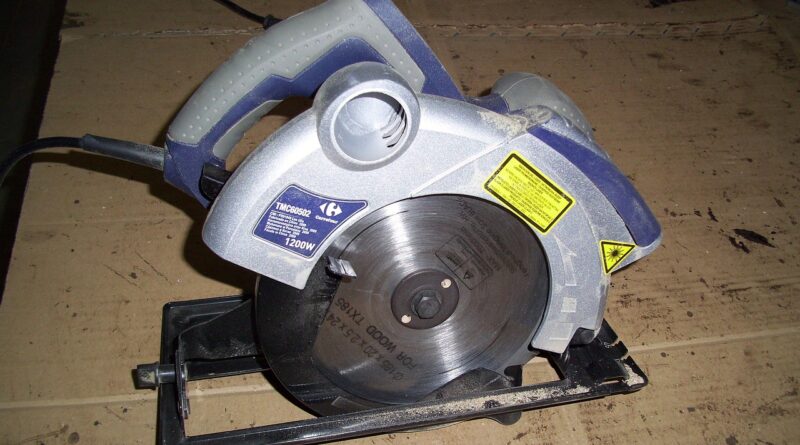
Choosing a CNC wood cutting machine depends on the material, table size, spindle, hold-down method, dust control, and the support behind the machine. This guide compares the main points a shop should check before buying.
Read More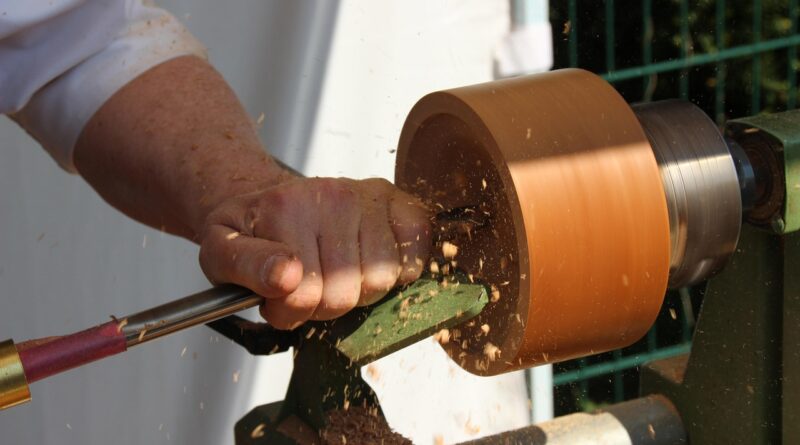
CNC turning programming ties the drawing, toolpath, setup, offsets, and inspection checks into a process the shop can repeat. This article looks at practical lathe programming habits that help reduce scrap in precision turned parts.
Read More