Which Types of Cutting Tools Should You Choose for Better Machining Results?
A practical shop-floor guide to cutting tool types, tool materials, ISO workpiece groups, and buying points for CNC and general machining.
Read More

A practical shop-floor guide to cutting tool types, tool materials, ISO workpiece groups, and buying points for CNC and general machining.
Read More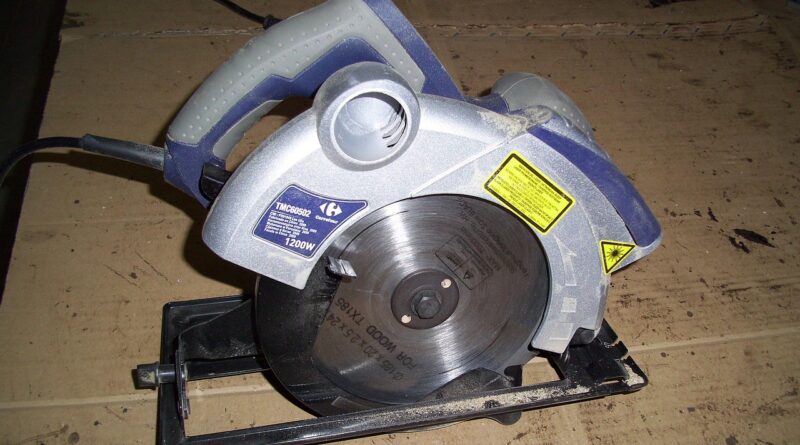
Choosing a CNC wood cutting machine depends on the material, table size, spindle, hold-down method, dust control, and the support behind the machine. This guide compares the main points a shop should check before buying.
Read More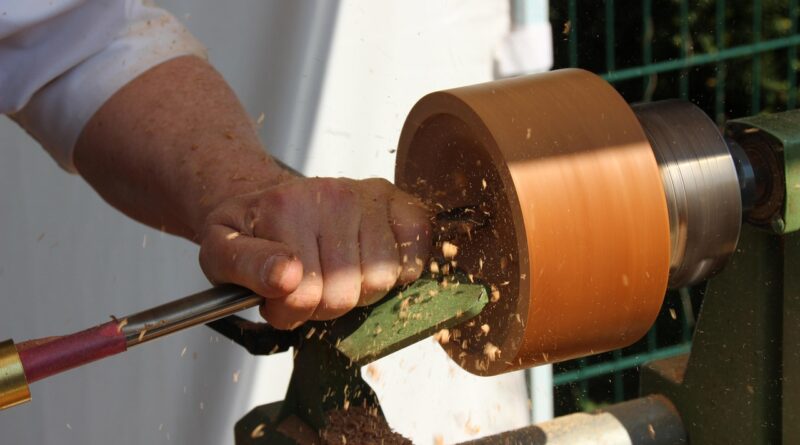
CNC turning programming ties the drawing, toolpath, setup, offsets, and inspection checks into a process the shop can repeat. This article looks at practical lathe programming habits that help reduce scrap in precision turned parts.
Read More
A usable CNC programming drawing tells the shop what to cut, what to protect, and what to check. This guide looks at how drawing notes turn into CNC code for real milling and turning jobs.
Read More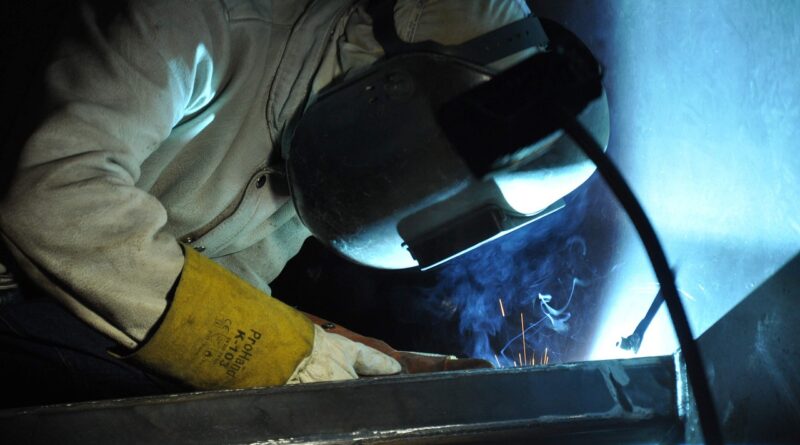
Choosing a CNC machining factory is about more than the piece price. This guide explains how to check machines, quality control, lead time, communication, and common risks before you send an RFQ.
Read More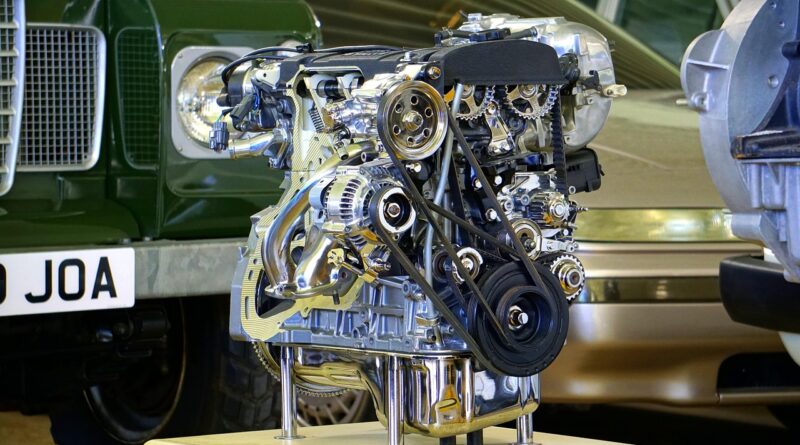
Prototype CNC machining helps buyers check fit, strength, tolerance, and surface behavior before production tooling. This guide covers when CNC makes sense, what files to send, and which test results are worth trusting.
Read More
Metal surface texture affects appearance, sealing, sliding, coating grip, and corrosion life. This guide explains practical texture choices for buyers and engineers.
Read More
Practical notes for selecting steel surface treatments for corrosion resistance, wear control, paint adhesion, and shipment inspection.
Read More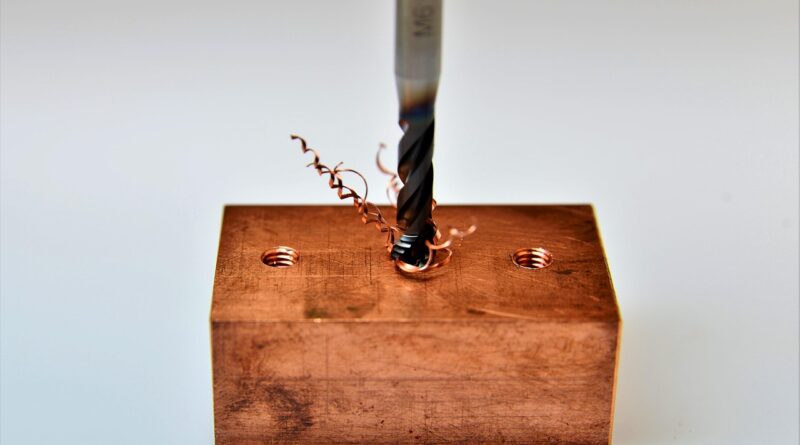
Machining chips are not just scrap. Their curl, color, flow, and coolant carryout can show heat, tool load, safety risk, and part quality problems.
Read More
Secondary machining processes take a cast, forged, molded, formed, or printed blank and bring it to the drawing. This guide covers the common follow-up cuts, when they make sense, and how to plan them so the shop is not losing time on avoidable rework.
Read More