
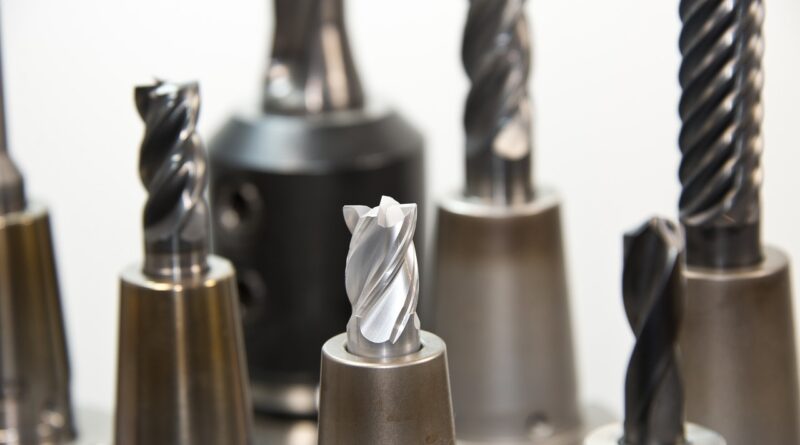
Is CNC Machining the Best Choice for Custom Metal Parts?
Is CNC Machining the Best Choice for Custom Metal Parts?
If you buy custom parts, cnc machining can feel like the safe answer. It is precise, familiar, and widely accepted across industrial supply chains. Still, it is not magic. A good machined part comes from the right material, a sensible tolerance plan, a clear drawing, and a supplier who knows what actually happens when a cutter meets metal.
This guide gives you a practical view of CNC machining for exported custom parts, especially brackets, housings, shafts, plates, fixtures, and low to medium volume components. You will see where the process shines, where it gets expensive, and what details help you get better quotes with fewer late surprises.
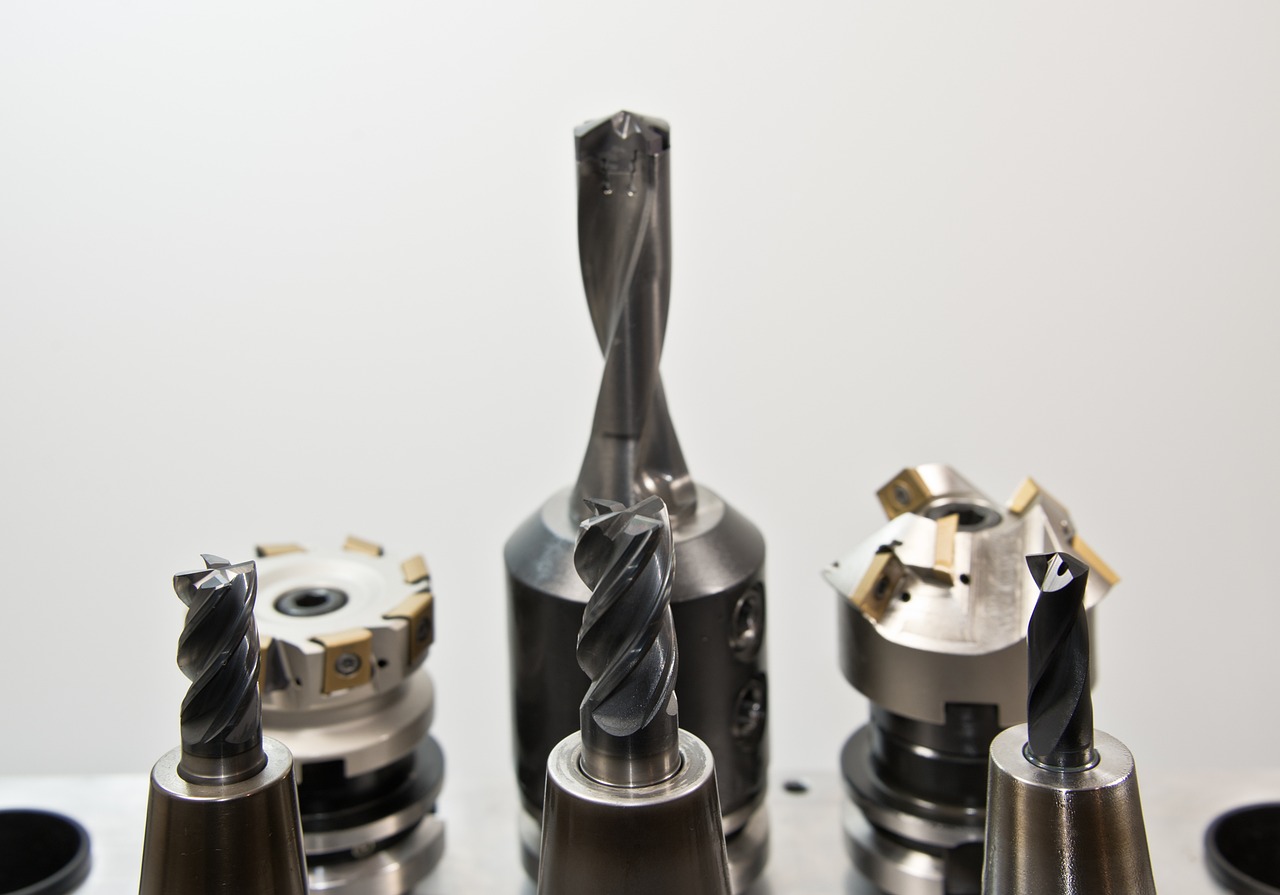
Why Does CNC Machining Still Matter for Modern Manufacturing?
CNC machining keeps its place because it turns digital part data into real, functional parts with known behavior. It can make one prototype today and a repeat batch next month. That mix of flexibility and repeatability matters when you need parts that bolt together, seal, slide, carry load, or pass inspection.
A Core Process in a Large Manufacturing Base
Manufacturing is not a small background industry. The NIST manufacturing economics data reports that U.S. manufacturing accounts for $2.3 trillion in value added, equal to 10.2% of total GDP, with $5.7 trillion in net stock across intellectual property, structures, and equipment. The background is simple: large manufacturing systems need reliable part-making processes. The conclusion for you is also simple. CNC machining remains important because it supports production, repair, tooling, testing, and assembly across that huge base.
Skilled Setup Still Shapes the Final Part
A CNC mill or lathe follows code, but the setup still decides a lot. The BLS Occupational Outlook Handbook says machinists and tool and die makers set up and operate CNC machine tools, align tools and workpieces, monitor feed and speed, and verify finished products. BLS also listed 354,800 jobs in this occupation group in 2024. So, even with automation, human skill is still tied to part quality. A small thing like poor clamping can leave chatter on a wall that looked easy in CAD.
Automation Demand Is Moving Fast
Demand for machining equipment gives another signal. An American Machinist report on AMT USMTO data said U.S. manufacturers ordered $513.8 million in metal cutting, forming, and fabricating equipment in December 2024, while 2024 orders totaled $4.7 billion. The report also noted that nearly 40% of 2024 orders came in Q4. That background points to shops buying capacity for future work. The conclusion: buyers should expect more automated cells, pallet systems, and inspection data flow in serious machining supply chains.
What Makes CNC Machining Good for Custom Parts?
CNC machining is a strong fit when you need solid material properties, accurate features, and no dedicated mold. It is especially useful when the part may change after test fitting. If a hole moves 1 mm after the first sample, you update the model and drawing instead of rebuilding expensive tooling.
Tight Features Without Hard Tooling
Machining can create pockets, slots, bores, faces, threads, chamfers, and grooves directly from bar, plate, billet, or casting stock. That helps when you need 5 pieces, 50 pieces, or 500 pieces and the design is not frozen. You pay for programming, setup, material, cutting time, inspection, and finishing, but you avoid a mold or die at the early stage.
Metals and Plastics for Real Loads
You can choose aluminum for weight, stainless steel for corrosion resistance, alloy steel for strength, brass for wear and electrical uses, or engineering plastics for insulation and lower mass. This is why CNC machining is common in automation equipment, medical devices, robotics, electronics housings, aerospace fixtures, and replacement parts. The part is cut from known stock, so the material behavior is often easier to predict than a printed or molded trial part.
Repeatable Quality From CAD and CAM Files
Once the CAD model, CAM program, fixture, tools, and inspection plan are stable, repeat work becomes much easier. A shop can save tool paths, setup sheets, probing cycles, and inspection notes. That does not mean every batch is perfect. Tools wear, stock moves, and finishes vary. But with good records, repeat orders usually improve instead of starting from zero.
Which Materials Work Best in CNC Machining?
The best material is not always the strongest one. Pick material by load, weight, corrosion, heat, wear, electrical needs, appearance, and budget. Also ask how it behaves during cutting. Some materials machine cleanly. Others work harden, melt, grab tools, or move after stress release. That last one catches people out.
Aluminum for Lightweight Parts
Aluminum 6061 is a common choice for prototypes, brackets, plates, and housings because it machines well and balances cost, strength, and finish. Aluminum 7075 gives higher strength, often for aerospace style fixtures or loaded parts, but it costs more and may need tighter material control. If you need anodizing, tell the supplier early because alloy choice and surface prep affect color and final size.
Stainless Steel for Strength and Corrosion Resistance
Stainless steel works well for shafts, pins, food equipment, marine parts, lab devices, and outdoor hardware. 304 is common for corrosion resistance, while 316 is better in harsher chemical or salt environments. Stainless is slower to cut than aluminum and can punish poor tool choice. If your part has deep pockets and thin walls, price can climb quickly.
Engineering Plastics for Weight and Insulation
POM, nylon, PTFE, PEEK, and polycarbonate each solve different problems. POM is stable and low friction. Nylon is tough but absorbs moisture. PTFE is slippery but soft. PEEK handles heat and chemicals, though the material price can surprise a new buyer. Plastic parts also need realistic tolerances because they can move with temperature, humidity, and clamping pressure.
How Should You Set Tolerances Without Wasting Money?
Tolerance is where many RFQs go wrong. If every dimension is tight, the part may still be machinable, but the quote will carry extra inspection time, slower cutting, more scrap risk, and sometimes more setups. You want tight numbers only where the part function needs them.
Critical Features Get the Tightest Callouts
Call out tight tolerances on bearing bores, seal faces, dowel holes, mating datums, sliding surfaces, and alignment features. Leave noncritical outside profiles, relief pockets, and cosmetic edges with general tolerances when possible. For example, a 20 mm dowel hole may need a close fit, while the outer plate length may not. Treating both the same is an easy way to spend money without gaining function.
ISO 2768 Helps Fill Drawing Gaps
The ISO 2768-1:1989 page states that the standard is intended to simplify drawing indications and sets general tolerances in four classes for linear and angular dimensions. It also applies to workpieces produced by metal removal or formed from sheet metal. For buyers, the background is drawing control. The conclusion is practical: a title block note such as ISO 2768-m can reduce missing tolerance questions, but current standard status should be checked before release because ISO revisions can change over time.
Finish and Heat Can Change Final Size
Finishes can add or remove material. Anodizing, plating, polishing, bead blasting, passivation, and heat treatment can all affect size, flatness, or surface feel. A Protolabs Network tolerance guide gives a useful public example: for nominal sizes over 6 mm to 30 mm, it lists ISO 2768-m plastics at ±0.2 mm and ISO 2768-f metals at ±0.1 mm in its default table. The takeaway is not that every shop uses those exact defaults. The point is that material, feature size, and finish change what tolerance makes sense.
When Is CNC Machining Better Than 3D Printing or Casting?
CNC machining is not always the cheapest path. It wins when you need cut-from-stock material, accurate mating features, good surface finish, and flexible quantities. 3D printing and casting can beat it in other cases. The right choice depends on geometry, volume, material, lead time, and what the part must survive.
Machining for Functional Prototypes
Use CNC machining when a prototype must behave like the final part. A machined aluminum bracket will not act like a plastic printed mockup under load. A machined stainless valve body will give more useful test data than a visual model. If testing includes torque, vibration, sealing, sliding, or heat, machining often gives cleaner answers.
Casting for High Volume Shapes
Casting can be better when the shape is bulky, curved, hollow, or hard to cut from solid stock. It becomes more attractive as quantity rises because tooling cost spreads across more parts. Many production parts still use both processes: cast the near-net shape first, then machine sealing faces, bores, threads, and datums.
3D Printing for Complex Early Concepts
3D printing is useful when you need fast shape checks, internal channels, light lattice forms, or early design reviews. It can also make parts that are hard to machine. But printed surfaces, strength direction, material limits, and post-processing need care. For a final metal component with a flat mounting face and a precision bore, machining may still be the calmer route. Not glamorous, just dependable.
How Can You Prepare a Better CNC Machining RFQ?
A good RFQ saves days. It also helps suppliers quote the same job, not five different guesses. Send the 3D model, 2D drawing, material, finish, quantity, inspection needs, and delivery target together. If something is flexible, say so. That one note can lower cost.
A Clean Drawing With Clear Datums
Your drawing should show units, projection method, revision, material, finish, general tolerance, and key datums. Mark critical-to-function dimensions clearly. Avoid tolerancing every cosmetic edge like a bearing seat. If the model and drawing disagree, state which one controls. Suppliers dislike guessing, and buyers dislike surprise change orders.
Material Grade and Finish Notes
Write the exact material grade, not just aluminum or steel. Say 6061-T6, 7075-T6, 304 stainless, 316 stainless, C360 brass, POM, or PEEK where relevant. For finishes, define anodize type and color, passivation, black oxide, powder coat, plating thickness, or surface roughness. If color match is cosmetic, say that too. Black anodize on two alloys can look annoyingly different under the same office light.
Quantity, Inspection, and Lead Time Details
For better quotes, include these items:
- Prototype quantity and expected production quantity.
- Required inspection report, such as key dimensions or full dimensional report.
- Any certificate needs, including material certificate or finish certificate.
- Target delivery date and shipping country.
- Allowed alternatives for material, finish, or tolerance if cost is too high.
These details let the supplier plan setup time, fixtures, cutting tools, inspection, packing, and freight. They also help you compare offers fairly. A cheap quote without inspection or finish may not be cheap after the missing items come back.
FAQ
Q1: Is CNC Machining Good for Small Batch Production? A: Yes. CNC machining is often a strong fit for small batches because it avoids hard tooling and can use saved programs for repeat orders.
Q2: What File Formats Should You Send for a CNC Machining Quote? A: Send a STEP file for the 3D model and a PDF drawing for tolerances, threads, finishes, datums, and notes. Native CAD files can help if the supplier requests them.
Q3: Which Tolerance Should You Use for Machined Parts? A: Use tight tolerances only on functional features. For other dimensions, a general tolerance such as ISO 2768-m is often enough, but confirm the class with your supplier.
Q4: Is CNC Machining Better Than 3D Printing? A: It depends on the goal. CNC machining is usually better for final metal properties, smooth sealing faces, and accurate holes, while 3D printing is useful for fast concept shapes.
Q5: How Can You Lower CNC Machining Cost? A: Use standard stock sizes, avoid very deep pockets, loosen noncritical tolerances, reduce tiny internal radii, choose easy-to-machine materials, and share realistic annual quantities.