
What Makes a CNC Metal Lathe the Best Choice for Precision Metal Parts?
Why Does a CNC Metal Lathe Matter for Modern Metal Parts?
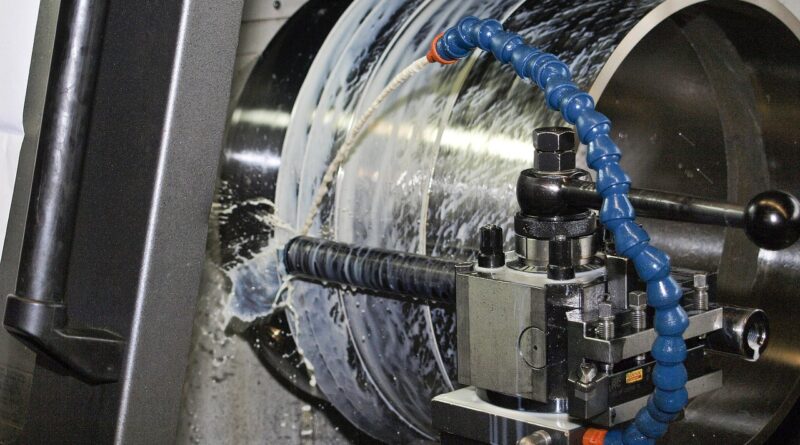
A CNC metal lathe is a direct way to turn metal bar into a round finished part. If you buy shafts, bushings, pins, threaded inserts, or hydraulic fittings, you will often see turning listed with milling, drilling, and tapping on a CNC machining capability page. The reason is not complicated. The workpiece rotates, the cutting tool moves at a set feed, and the machine repeats the same path for each part.
Turning Work That Fits Real Drawings
A turned part can look easy on a drawing, but the small features usually decide whether it fits in the assembly. A shoulder has to sit flat against a bearing, and a thread has to start without tearing or cross-threading. A groove may also need enough room for an O-ring without a sharp edge that damages it during assembly. A CNC metal lathe can cut these features in one clamped setup when the part is designed with turning in mind.
Demand Signals from Machine Shops
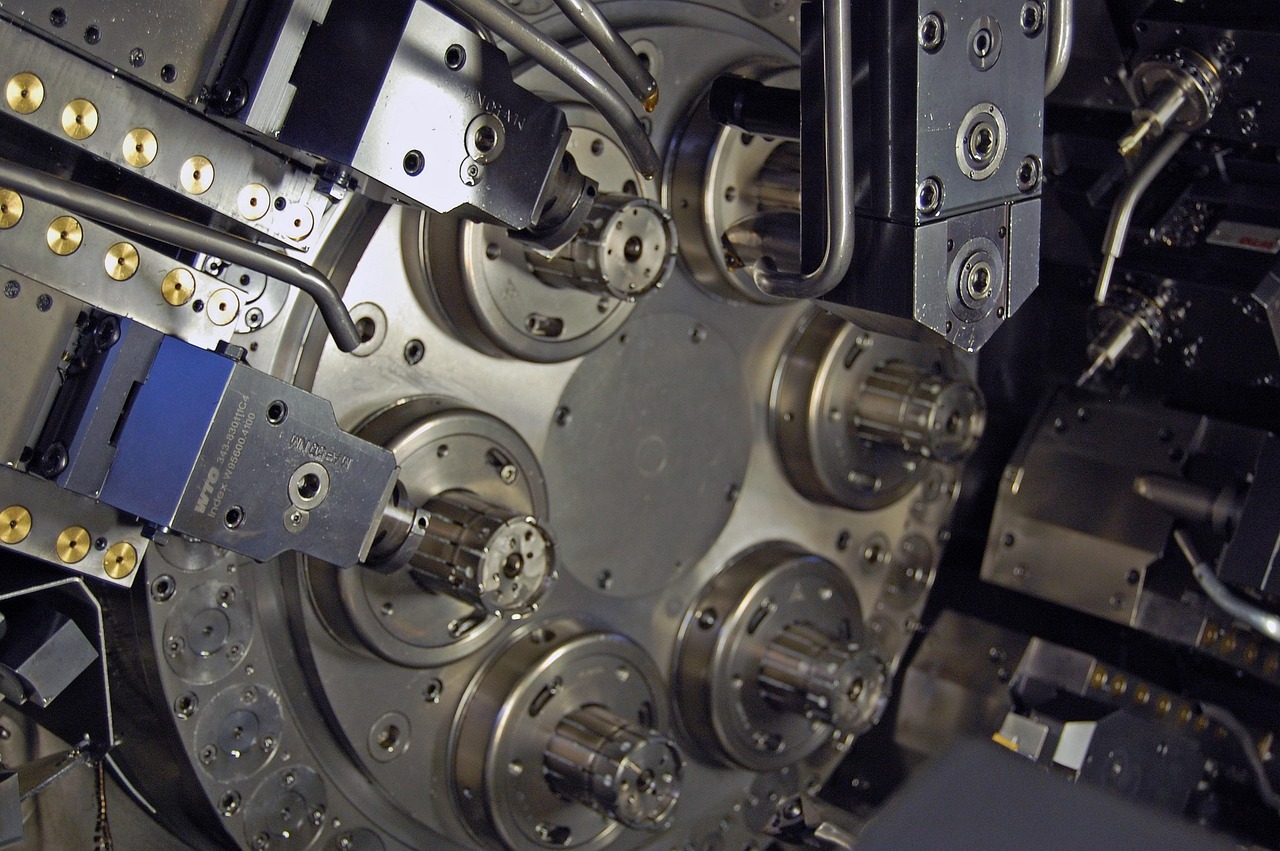
The U.S. Census Bureau’s 2023 County Business Patterns profile for NAICS 332710 reported 17,156 employer establishments for machine shops in the United States. The official NAICS definition also lists CNC lathes as common machine tools used for job or order work. The U.S. Bureau of Labor Statistics reported in its 2024 Occupational Outlook data that CNC operators and programmers work with automatic machine tools. Many firms are still adding CNC equipment and robots because they need steadier quality and lower cost. (data.census.gov)
Where Manual Skill Still Counts
CNC does not take judgment out of the job. The shop still needs the right insert, firm workholding, practical tolerances, and a machinist who notices chatter before parts turn into scrap. The program follows the code, but the cut still happens in metal with heat, chips, and vibration. This is one reason two quotes for the same drawing can be far apart.
How Does a CNC Metal Lathe Cut Metal So Repeatably?
Repeatability comes from the machine, setup, tool, and program working as one process. A lathe is not only a chuck that spins. It is a controlled cutting setup where each pass removes a set amount of stock, then the part is checked against the drawing.
Rotation, Single-Point Cutting, and Controlled Feed
Most lathe work uses a single-point cutting tool. The metal bar turns in the spindle, while the tool feeds along the part or moves across it. Outside diameters, inside bores, tapers, grooves, and faces can all be cut this way. In a sound setup, roughing removes most of the material first, and finishing takes a lighter pass for size and surface quality.
Tool Wear, Heat, and Surface Finish
NISTIR 5628, Precision in Machining, explains that tool wear is affected by tool and workpiece materials, tool geometry, cutting fluids, cutting speed, feed, depth of cut, rigidity, and tool position. The report also says tool wear can reduce dimensional accuracy and surface finish. On the shop floor, that means a worn insert may still cut metal, but it may push a diameter out of spec or leave a torn-looking surface. This is why tool life checks matter on repeat orders. (nvlpubs.nist.gov)
Program Data, Offsets, and Inspection
The CNC program sets the tool path, but offsets make that path match the real tool in the machine. A small wear offset can pull a diameter back by a few microns or a few tenths, depending on the control and units. Inspection then closes the loop. Calipers may be fine for rough checks, but micrometers, bore gauges, thread gauges, surface testers, and CMM reports are often needed for important features.
Which Parts Are Best Suited to a CNC Metal Lathe?
A CNC metal lathe works best when the part is round or when the main features share a centerline. If the drawing looks like it can start from round bar, tube, or a forging with turned features, turning should be reviewed early in the sourcing stage.
Shafts, Bushings, Pins, and Threaded Parts
Drive shafts, dowel pins, spacers, collars, bushings, nozzles, and threaded adapters are common lathe parts. They often include straight diameters, shoulders, chamfers, grooves, and threads. Bar-fed turning can also run small parts in larger batches with less hand loading. That can help with both cost and delivery time when the design is stable.
Aerospace, Medical, Energy, and Equipment Components
Turned metal parts are used in aircraft hardware, surgical tools, oil and gas connectors, pumps, valves, sensors, and factory equipment. The industries are different, but the buying problem is often the same: the part has to fit, seal, rotate, or locate without trouble. A small burr at a shoulder can hold up an assembly faster than people expect. For that reason, edge condition and inspection notes should not be treated as afterthoughts.
When Mill-Turn Work Saves Setup Time
Some parts need flats, cross holes, slots, or off-center features in addition to turned diameters. A mill-turn machine can rotate the part like a lathe and use live tools like a mill. This can cut setup time because the part does not need to move from a lathe to a machining center. It also helps keep the position between turned and milled features under better control.
What Materials Can You Run on a CNC Metal Lathe?
Material choice changes cutting speed, tool grade, coolant, chip control, cycle time, and inspection risk. An easy-cutting material can keep a part affordable. A tough alloy with a thin wall can make the same shape slower and harder to hold.
Aluminum and Brass for Fast Cutting
Aluminum alloys such as 6061 are common for prototypes, fixtures, housings, and light-duty parts. They cut fast and can hold a clean finish with the right insert. Brass also machines well and gives sharp threads, though lead-free grades may cut differently from older free-cutting brass. Chip control still matters because long or stringy chips can mark the surface.
Stainless Steel and Alloy Steel for Tough Service
Stainless steel is used when corrosion resistance is needed. Alloy steels are chosen for strength, wear life, and heat treatment options. These metals usually need more care with speeds, feeds, and insert selection. If a stainless part work-hardens, the next pass can get rough, hot, and harder to control.
Titanium and High-Hardness Metals Need Care
Titanium, nickel alloys, and hardened steels can be turned, but weak setups show problems quickly. Tool pressure, heat, and vibration can rise fast in these materials. For these jobs, discuss material grade, hardness, finish requirement, and quantity before pushing only for the lowest price. The cheapest quote may not include the real difficulty of the work.
How Should You Judge Accuracy, Tolerance, and Surface Finish?
Accuracy is not one number from a machine brochure. It depends on feature size, length-to-diameter ratio, material movement, tool access, machine condition, and inspection method. For buyers, it is better to connect each tight tolerance to a real function on the part.
Tolerance Starts with the Drawing
A drawing should show which features are critical and which are normal shop dimensions. If every dimension has a tight tolerance, the part becomes more expensive even when only one bore or shoulder controls the assembly. Add fit notes, thread callouts, surface finish marks, and datum references where they are needed. For noncritical edges, a normal deburr note is usually enough. See also: CNC Programming.
Process Capability Beats One Lucky Good Part
ISO 26303:2022 describes acceptance of metal-cutting machine tools through tests that machine a specified workpiece and use statistical methods. It also notes that this workpiece-based capability test is different from direct testing of individual machine error sources. For sourcing, the point is simple enough: one good sample is useful, but steady production needs measured process capability. Ask how the shop checks repeatability if the part has tight features. (iso.org)
Measurement Plans for Critical Features
Before production, ask how the shop will measure the features that can stop your assembly. A bore may need a plug gauge or bore gauge, not only calipers. A thread may need go and no-go gauges, and a sealing face may need a surface roughness reading. This is not paperwork for show; it prevents late arguments when parts arrive.
What Should You Check Before Ordering CNC Lathe Parts?
A clear RFQ saves time for both the buyer and the shop. The shop can quote with fewer guesses, and you get a price that matches the real part instead of a rough assumption. If the delivery is urgent, this preparation matters even more.
Clear Drawings and CAD Files
Send a 3D model and a 2D drawing. The model helps programming, while the drawing controls tolerances, threads, finish, material, heat treatment, and special notes. If the model and drawing do not match, say which one controls the order. It is a basic note, but it prevents a lot of avoidable confusion.
Sensible Tolerances and Surface Notes
Use tight tolerances only where the function needs them. A general tolerance may work for most lengths and outside diameters, while a bearing seat or sealing diameter gets a tighter callout. Surface finish should also match the job of the feature. A cosmetic outside face, a sliding surface, and a gasket face do not need the same requirement.
Shop Capability, Safety, and Communication
OSHA’s machine guarding eTool states that guarding protects operators from ingoing nip points, rotating parts, flying chips, and sparks, and that guards must not create hazards of their own. Safety can feel separate from purchasing, but a safe and orderly shop usually controls setups, chips, coolant, and inspection with better discipline. It also tells you something about how the supplier handles routine work. (osha.gov)
What Are Common CNC Metal Lathe Mistakes to Avoid?
Most lathe problems are not hard to understand after you have seen them once. They often come from geometry that fights the turning process, unclear drawings, or assumptions about how metal behaves during cutting. A few design checks can remove many of these issues before the RFQ goes out.
Thin Walls That Deflect under Cutting Pressure
Thin tube-like sections can flex while the tool is cutting, especially in stainless steel or titanium. The part may measure correctly while it is clamped, then move after release. If you need thin walls, tell the shop what the feature does, not only the dimension. A small design change may save a lot of rework.
Long Parts without Enough Support
Long shafts can whip, taper, or chatter if they are not supported well. Tailstocks, steady rests, guide bushings, and sub-spindles can help, but each one adds setup time. A length-to-diameter ratio that looks fine in CAD may behave badly once the spindle is running. This should be checked before price and lead time are fixed.
Ignoring Chips, Coolant, and Deburring
Chips are not only waste from the cut. Long chips can scratch surfaces, wrap around tools, and block coolant from the cutting zone. Coolant choice can affect heat and finish, and deburring is just as important around threads, holes, and sealing edges. Deburring is not a glamorous process, but it is often what makes the part ready to use.
FAQ
Q1: What Is a CNC Metal Lathe Used for? A: It is used to turn round metal parts such as shafts, bushings, pins, collars, threaded adapters, fittings, and precision spacers.
Q2: Is a CNC Metal Lathe Better Than a Manual Lathe? A: For repeatable production, complex tool paths, and tighter records, CNC is usually the better choice. A manual lathe still works well for repair, one-off adjustment, and simple shop tasks.
Q3: What Tolerance Can a CNC Metal Lathe Hold? A: There is no single public tolerance that fits every job. Material, diameter, part length, setup rigidity, tool wear, and inspection method all change the result.
Q4: Can a CNC Metal Lathe Cut Stainless Steel? A: Yes. Stainless steel is common, but it needs suitable inserts, controlled cutting data, good coolant practice, and care to avoid work-hardening.
Q5: How Can You Get a Better CNC Lathe Quote? A: Send a 3D model, a controlled 2D drawing, material grade, quantity, finish notes, tolerance priorities, and any inspection or packaging needs.