

Is a Small Circular Saw the Right Choice for Ripping Plywood Efficiently
Looking for a Small Circular Saw for Ripping Plywood
A small circular saw can handle plywood ripping efficiently when used with the right blade and proper technique. Compact saws are lighter, easier to control, and suitable for job sites where portability matters more than raw cutting depth. However, their limited motor power and smaller blades restrict performance on thick or dense sheets. For most professional applications involving standard ¾-inch plywood, a well-tuned small circular saw delivers clean, straight cuts with minimal tear-out when paired with the correct feed rate and carbide-tipped blade.
Evaluating the Efficiency of a Small Circular Saw for Ripping Plywood
Professionals often weigh portability against cutting power when selecting tools for plywood work. A small circular saw offers convenience but requires careful setup to achieve consistent performance across multiple sheets.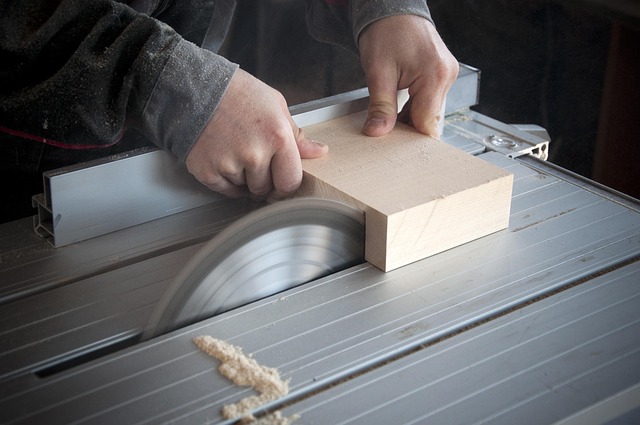
Understanding the Capabilities of a Small Circular Saw
Compact circular saws typically feature motors ranging from 4 to 6 amps and blade diameters between 4½ to 6½ inches. These dimensions limit cutting depth to about 1½ inches at most, which is sufficient for single-layer plywood panels but not ideal for thicker laminates or stacked cuts. Compared with standard 7¼-inch models, small saws generate less torque, making them slower on hardwood-faced plywood or MDF-core sheets. Extended use on large panels may also lead to overheating due to smaller heat dissipation areas in compact housings.
How Plywood Characteristics Affect Saw Performance
Plywood’s layered structure directly influences how a small circular saw performs. Denser hardwood veneers increase resistance during ripping, demanding slower feed speeds to avoid bogging down the motor. Grain direction also matters—cutting parallel to grain layers tends to produce smoother edges than cross-grain passes. The adhesive composition between veneers can vary; industrial-grade glues harden under heat, causing additional friction if the blade dulls. Adjusting feed rate and using fine-tooth blades help maintain edge quality across different grades such as A/B or C/D construction panels.
Blade Selection and Cutting Precision
Blade choice determines both surface finish and cutting efficiency when ripping plywood with compact saws. Professionals often treat this step as critical as tool calibration itself.
Choosing the Right Blade for Plywood Ripping
For ripping tasks, blades with fewer teeth—around 24 TPI—remove material faster but may leave rougher edges. Conversely, high-tooth-count blades (60–80 TPI) produce cleaner cuts suitable for visible surfaces like cabinetry panels. Carbide-tipped blades resist wear from resinous glues within plywood layers, extending service life significantly compared with steel alternatives. Rip-cut blades have gullets shaped to clear chips efficiently along grain direction, while crosscut designs focus on minimizing tear-out across veneer lines. Keeping blades sharp prevents fiber pull-out that often mars thin-faced plywood.
Managing Feed Rate and Cutting Speed
Balancing feed speed with motor capacity ensures both accuracy and tool longevity. Moving too fast risks stalling or deflecting the blade; too slow generates heat that can scorch veneer surfaces or warp the kerf line. Dense birch or marine-grade plywood requires deliberate pacing—roughly one foot every three seconds—to maintain control without stressing the motor. Overheating can be mitigated by pausing briefly between long rips or using thinner kerf blades that reduce friction load. Edge guides or straight fences provide steady guidance along marked lines, particularly helpful when handling full-size sheets alone.
Ergonomics and Handling Considerations for Professionals
Comfort and control strongly influence productivity during extended cutting sessions. Compact circular saws bring advantages in maneuverability but need thoughtful handling practices to maintain precision.
Weight Distribution and Control During Extended Use
The lighter build of small circular saws reduces arm fatigue during repetitive cuts, especially overhead or in tight spaces like built-in cabinetry installations. Balanced weight distribution near the handle improves stability while tracking along long rips. However, controlling vibration becomes crucial since smaller frames transmit more feedback through the grip area. Professionals often pair these saws with stable sawhorses or foam insulation boards beneath large sheets to prevent wobble while maintaining smooth feed motion.
Safety Features Relevant to Expert Users
Modern compact models integrate key safety mechanisms such as retractable blade guards and electric brakes that stop rotation within seconds after release. Dust extraction ports compatible with shop vacuums keep visibility clear during continuous ripping sessions, reducing inhalation hazards from fine wood particles classified under ISO dust exposure standards. Securing plywood firmly before each cut prevents kickback—a common risk when working without proper clamping support—and wearing PPE like safety glasses and hearing protection remains essential even in low-power operations.
Comparing Small Circular Saws with Alternative Tools
Although versatile, small circular saws occupy a specific niche between handheld flexibility and stationary precision equipment used in workshops.
Differences Between Compact Circular Saws and Track Saws
Track-guided systems provide unparalleled straightness over long distances by eliminating lateral drift common in handheld use. Yet they sacrifice portability; setting up tracks takes time unsuited for quick field adjustments or overhead trimming tasks. For on-site carpenters installing subfloors or trimming wall panels, a small circular saw’s light weight outweighs marginal accuracy differences compared with track setups costing several times more.
Considering Table Saws or Panel Saws for Volume Workloads
When production volume increases—such as cabinet shops processing dozens of identical rips per day—stationary table saws outperform handheld options in both speed and repeatability. Panel saws further streamline workflow by supporting full-size sheets vertically, saving floor space but limiting mobility outside fixed locations. Many professionals integrate small circular saws as supplementary tools: ideal for rough sizing before final precision cuts on larger machines.
Techniques to Enhance Efficiency When Using a Small Circular Saw on Plywood
Even experienced users benefit from refined preparation methods that reduce rework time and improve finish consistency across multiple cuts.
Preparing the Material Before Cutting
Accurate marking remains foundational; using aluminum straightedges or chalk lines ensures true alignment along sheet length. Supporting material evenly prevents sagging that could pinch the blade mid-cut—a frequent cause of binding marks near exit points. Checking moisture content also helps since damp plywood increases drag resistance; seasoned panels cut cleaner under consistent pressure without gumming up teeth from softened glue layers.
Optimizing Cut Quality Through Advanced Methods
Scoring shallow passes before full-depth cuts minimizes chipping on veneered surfaces like birch-faced panels used in furniture-grade projects. Employing sacrificial boards beneath workpieces creates zero-clearance backing that supports fibers right up to the kerf edge, yielding smoother finishes comparable to stationary equipment results. Consistent downward pressure throughout travel keeps contact uniform across all veneer layers, producing an even edge ready for sanding or sealing without additional trimming steps.
FAQ
Q1: Can a small circular saw cut through thick hardwood plywood?
A: It can handle up to about 1½ inches effectively; beyond that depth, performance drops due to limited torque and shorter blade radius.
Q2: What type of blade gives the cleanest edge on birch plywood?
A: A fine-tooth carbide-tipped blade around 60–80 TPI provides smooth edges with minimal splintering on delicate veneers.
Q3: How can overheating be prevented during long rips?
A: Maintain moderate feed speed, pause periodically between cuts, and use thinner kerf blades that reduce friction buildup.
Q4: Is dust extraction necessary when using compact circular saws indoors?
A: Yes; fine wood dust poses respiratory hazards recognized by occupational safety standards, so vacuum attachments are strongly recommended.
Q5: Are track saws always better than small circular saws for accuracy?
A: Track systems excel at precision work but lack portability; compact models remain preferable where mobility outweighs absolute straightness requirements.