
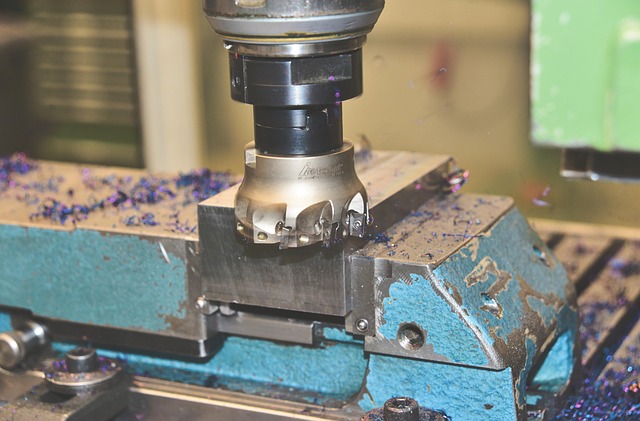
How Can CNC Training Shape the Future of SmartCAM CNC Innovation
SmartCAMcnc Opens New CNC Training Center
The launch of the new SmartCAMcnc training center marks a significant step in bridging advanced computer-aided manufacturing with real-world machining practice. The facility focuses on integrating SmartCAM with modern CNC systems, preparing engineers and technicians for Industry 4.0 environments. Through structured programs that blend simulation, automation, and data analytics, the center delivers practical expertise rather than theoretical repetition. This initiative not only strengthens local access for those searching for “cnc training near me,” but also positions SmartCAMcnc as a leader in intelligent manufacturing education.
The Evolving Landscape of CNC and SmartCAM Technologies
The manufacturing sector is undergoing rapid transformation as digital technologies reshape how machines think, react, and communicate. CNC systems that once relied solely on coded instructions now adapt dynamically through SmartCAM integration.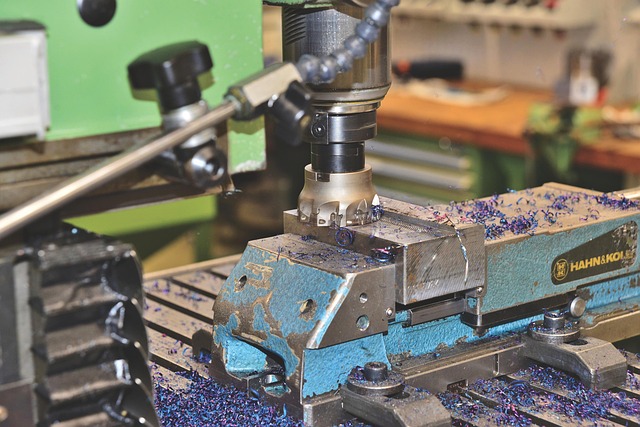
The Integration of SmartCAM in Modern CNC Systems
SmartCAM brings efficiency to CNC programming by simulating machining processes before physical execution. This capability helps detect toolpath conflicts early, reducing costly trial runs. When integrated directly into machine controls, SmartCAM enables real-time optimization where toolpaths adjust automatically to sensor feedback. Intelligent algorithms now connect design software to production units seamlessly, allowing engineers to modify geometry without reprogramming entire sequences.
Technological Shifts Driving CNC Innovation
Artificial intelligence and the Internet of Things have introduced predictive maintenance into CNC operations. Machines can anticipate wear patterns based on vibration or temperature data, scheduling service before breakdowns occur. Machine learning models analyze historical runs to refine feed rates and spindle speeds continuously. These technologies create feedback loops that stabilize quality and improve repeatability across multi-axis operations.
The Strategic Role of CNC Training in Advancing SmartCAM Capabilities
As automation expands, the role of human expertise becomes more critical rather than less. Skilled professionals interpret system data and make nuanced adjustments that algorithms alone cannot manage.
Developing a Skilled Workforce for Intelligent Manufacturing
Comprehensive training programs teach operators how to work with adaptive machining systems where parameters shift during production. By mastering SmartCAM’s simulation modules, professionals gain confidence in decision-making for complex process planning. Those trained in digital twins can test setups virtually—avoiding material waste while improving throughput consistency.
Bridging Traditional Machining Knowledge with Digital Competence
Effective training combines conventional machining fundamentals with digital control theory. Participants learn how cutting forces or tool wear relate to sensor readings within adaptive modules. Continuous education keeps technicians aligned with ISO 14649 standards for STEP-NC data exchange, ensuring compatibility across evolving machine platforms.
Core Components of Effective CNC Training Programs
A well-designed curriculum must balance theoretical depth with repetitive hands-on application. Simulation tools are valuable only when paired with real machining experience under supervision.
Curriculum Focused on SmartCAM Integration
Courses emphasize synchronization between CAD design and CAM execution so that each change in geometry translates accurately into motion commands. Trainees program complex contours using SmartCAM’s interface while observing virtual machining previews that highlight collision risks or feed inconsistencies. Simulation-based instruction reduces setup time during actual production trials by identifying inefficiencies beforehand.
Advanced Modules on Automation and Process Optimization
Beyond basic programming, advanced modules explore robotic loading systems, multi-axis coordination, and closed-loop automation cells. Participants adjust algorithmic control parameters to shorten cycle times without sacrificing tolerance accuracy. Energy efficiency discussions highlight spindle power management and coolant recycling practices—topics often overlooked but vital for sustainable manufacturing.
The Impact of CNC Training on Industry 4.0 Readiness
Industry 4.0 depends on people who can read data trends as fluently as they read blueprints. Properly trained personnel transform raw machine data into actionable insight.
Enabling Data-Driven Decision-Making in Manufacturing Environments
Modern machinists use analytics dashboards linked to ERP systems to monitor performance metrics such as tool life or surface finish deviation in real time. Predictive control strategies rely on this continuous stream of information to fine-tune operations mid-cycle, improving both precision and yield consistency across production lines.
Strengthening Competitive Advantage Through Skilled Talent Development
Companies investing in structured CNC education adapt faster when new software versions or hardware upgrades arrive. A capable workforce reduces downtime by diagnosing issues swiftly rather than waiting for external support contracts. Over time, this competence translates into higher throughput rates and measurable cost savings that strengthen competitiveness globally.
Future Directions: Aligning CNC Education with Emerging Technologies
CNC education must evolve alongside the technologies it teaches; otherwise, skills become obsolete before they mature in practice.
Incorporating AI, Machine Learning, and Cloud-Based Platforms into Training Frameworks
AI-driven predictive modeling now forms part of advanced coursework where students analyze datasets from previous machining cycles to forecast optimal toolpaths automatically. Cloud-based collaboration platforms allow remote access to shared simulation environments—critical for distributed teams managing global production facilities. Machine learning modules demonstrate adaptive process control principles applied to autonomous machining systems capable of self-correction during operation.
Building Collaborative Networks Between Academia and Industry Stakeholders
Joint initiatives between universities and manufacturers keep curricula current with emerging industrial standards like IEC 61499 for distributed control systems. Research partnerships accelerate development of next-generation SmartCAM algorithms designed for hybrid additive-subtractive machines. Industry-backed certification frameworks validate competencies recognized across international supply chains, giving graduates tangible credentials valued by employers worldwide.
FAQ
Q1: What makes the new SmartCAMcnc training center unique?
A: It combines classroom instruction with live machine demonstrations using integrated SmartCAM software so trainees experience both programming logic and physical results simultaneously.
Q2: How does this program support those searching “cnc training near me”?
A: The center offers regionally accessible courses tailored for local industries while maintaining global technical standards aligned with ISO 9001 quality frameworks.
Q3: Are AI concepts part of the training?
A: Yes, participants explore AI-based predictive modeling that teaches how algorithms adjust feed rates or spindle speeds based on live sensor input.
Q4: Can experienced machinists benefit from these courses?
A: Absolutely; even seasoned operators gain from modules covering multi-axis coordination, digital twins, and cloud-linked monitoring tools used in smart factories.
Q5: Does pressure depend on the roughness of the surface?
A: In machining physics, contact pressure distribution changes slightly with surface roughness because microscopic peaks concentrate load at fewer points; smoother finishes spread pressure more evenly across contact areas according to tribological research published under ISO 281 standards.