
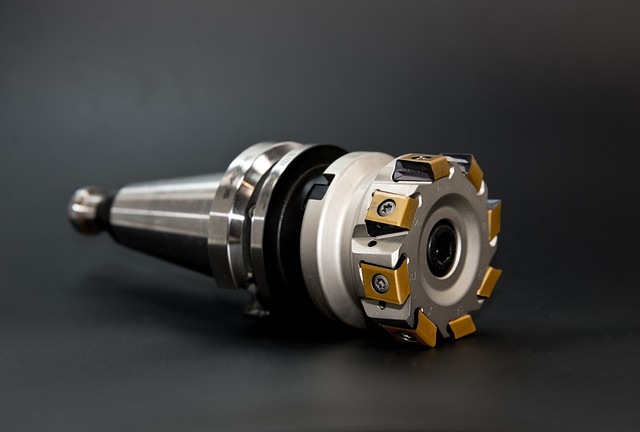
What Are CNC Router Bits and How Do They Influence Cutting Precision
A Comprehensive Guide to CNC Router Bits
CNC router bits are the heart of precision machining. Their geometry, material, and coating define not only how a tool cuts but also how long it lasts. In professional manufacturing, choosing the right bit means balancing speed, surface finish, and cost efficiency. From straight cutters for basic profiling to diamond-coated tools for composite panels, every bit has a role in shaping materials with accuracy. This guide explores the structure, classification, and performance factors of CNC router bits while highlighting innovations that are reshaping modern CNC tooling.
The Function and Structure of CNC Router Bits
CNC router bits are more than just cutting tools; they’re engineered instruments designed to interact with materials through controlled motion and force. Their design determines both the precision of the cut and the efficiency of chip removal.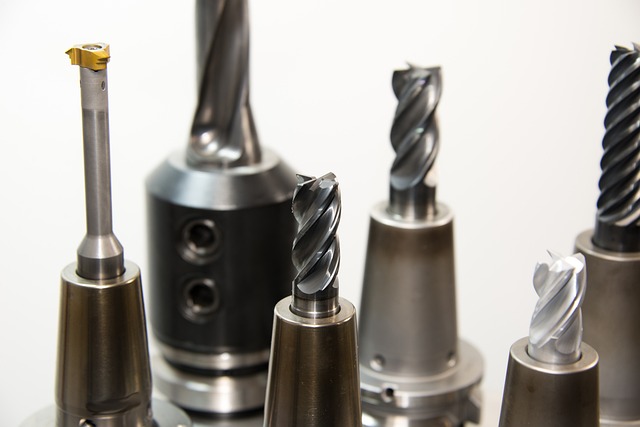
The Function and Structure of CNC Router Bits
CNC router bits are cutting tools designed to shape, carve, and cut materials using computer-controlled routers. Each bit consists of three main components: the shank that fits into the collet, flutes that channel chips away from the cut zone, and cutting edges that perform the actual material removal. The balance between these parts affects vibration control and dimensional accuracy during high-speed operations. Material composition also plays a decisive role—solid carbide bits deliver superior rigidity for hardwoods or metals, while high-speed steel (HSS) provides resilience under intermittent loads. Diamond-coated variants excel when machining abrasive composites or carbon fiber sheets.
The Relationship Between Router Bit Design and Cutting Mechanics
Bit geometry dictates chip load distribution, feed rate capability, and surface finish quality. For instance, spiral direction—up-cut or down-cut—determines how chips evacuate from the kerf and whether edges remain clean or slightly frayed. Compression spirals combine both directions to minimize tear-out on laminated stock. Helix angle matters too: a steeper helix promotes smoother finishes but increases heat buildup; a shallower one favors aggressive material removal at lower spindle speeds.
Classification of CNC Router Bits by Function
Router bits can be grouped by their intended use—from general-purpose cutters to specialized profiles for engraving or 3D milling. Professionals often keep an assortment to adapt to different materials and project demands.
Straight and Spiral Bits for General Cutting
Straight bits serve well for shallow grooves in softwoods or plastics where minimal depth is required. However, they tend to generate friction due to limited chip clearance. Spiral bits outperform them in deeper cuts since their helical flutes continuously lift debris out of the path. Up-cut spirals pull chips upward but may cause top-edge splintering; down-cut versions push fibers downward for cleaner surfaces on visible faces.
Specialty Bits for Complex Operations
V-Groove Bits
V-groove bits are indispensable in sign-making and decorative carving applications where angled engravings enhance visual contrast. The included angle—commonly 60°, 90°, or 120°—defines how deep a groove becomes relative to its width.
Ball Nose Bits
Ball nose bits feature rounded tips that glide across contours without leaving sharp transitions, making them ideal for 3D relief work such as molds or sculptures. Their geometry allows gradual engagement with material, reducing tool marks on curved surfaces.
Compression Bits
Compression bits merge up-cut and down-cut flutes into one tool body. This hybrid design keeps both faces of plywood or veneered panels intact by pulling fibers toward the core rather than tearing them outward—a crucial advantage in cabinetry production where edge quality is visible on both sides.
Material Considerations for CNC Router Bits
The longevity and performance of CNC router bits depend heavily on what they’re made from and how they’re treated at the surface level.
Influence of Bit Material on Cutting Performance
Solid carbide remains the gold standard for industrial-grade machining thanks to its hardness and thermal stability at high RPMs. HSS provides flexibility at lower costs but dulls faster under abrasive conditions. For demanding environments like aerospace composites or carbon fiber laminates, diamond-coated tools drastically extend usable life while maintaining sharpness over long runs.
Coatings and Surface Treatments That Enhance Durability
Coatings such as titanium nitride (TiN) act as thermal barriers by reducing friction between tool and workpiece during extended cycles. Diamond-like carbon (DLC) coatings further improve wear resistance when cutting non-ferrous materials like aluminum or brass where adhesion tends to occur under heat stress.
Factors Affecting Cutting Precision with CNC Router Bits
Precision depends not only on tool design but also on machine parameters that govern movement dynamics during operation.
Tool Geometry and Its Role in Accuracy
Flute count directly influences chip evacuation efficiency: fewer flutes mean larger chip spaces suited for softer materials; more flutes yield finer finishes but risk overheating if feed rates aren’t adjusted properly. Bit diameter defines achievable detail resolution—smaller diameters allow intricate features yet require slower feeds to prevent breakage.
Machine Parameters That Interact with Bit Performance
Feed rate and spindle speed must complement each other to maintain consistent chip load per tooth. Running too fast causes chatter; too slow leads to burning marks especially on wood-based substrates.
Depth of Cut Adjustment for Precision Control
Depth per pass should be proportionate to bit diameter—shallow passes preserve accuracy by minimizing deflection forces acting along the shank while deeper ones expedite roughing stages but sacrifice tolerance consistency.
Tool Wear and Maintenance Practices
Routine inspection is vital since even minor dulling alters geometry enough to shift dimensions subtly over time. Cleaning resin buildup from wood resins prevents imbalance that could cause vibration at high RPMs.
Selecting the Right CNC Router Bit for Specific Applications
Choosing an appropriate bit involves matching its physical characteristics with material type, desired finish quality, and production speed expectations.
Matching Bit Type to Material Characteristics
Hardwoods benefit from carbide-tipped cutters operating at moderate feeds to avoid chipping dense grain structures. Plastics require single-flute designs that promote rapid chip ejection so heat doesn’t accumulate near melting points—a common cause of edge smearing in acrylic sheets.
Balancing Productivity with Surface Finish Requirements
In practice, machinists often divide tasks into roughing and finishing stages: large-diameter tools remove bulk material quickly during roughing; smaller-radius cutters refine contours afterward to achieve smooth surfaces ready for coating or assembly without additional sanding steps.
Technological Innovations in CNC Router Bit Design
Recent advances have pushed router bit engineering beyond traditional grinding techniques toward digitally optimized production systems capable of micro-level precision adjustments.
Advanced Manufacturing Techniques for Enhanced Precision
Micro-grinding processes now yield edge tolerances within microns, improving repeatability across batches of identical tools. Laser balancing corrects mass distribution before final inspection so even at 24,000 RPM vibration remains minimal—a factor critical when machining thin veneers or delicate composites where chatter ruins finish integrity.
Integration with Smart Toolpath Software Systems
Modern CAM software integrates adaptive algorithms that adjust feed rates dynamically based on real-time spindle load feedback from sensors embedded in machines. Digital twin modeling further enables simulation of wear progression before physical runs begin—allowing predictive maintenance scheduling instead of reactive downtime repairs common in older setups.
FAQ
Q1: What’s the main difference between up-cut and down-cut spiral bits?
A: Up-cut spirals pull chips upward leaving cleaner bottoms but rougher tops; down-cuts do the opposite by pressing fibers downward giving smoother top edges ideal for visible surfaces like cabinet doors.
Q2: How often should CNC router bits be replaced?
A: Replacement frequency depends on workload intensity; under continuous industrial use carbide bits typically last several hundred hours before dullness affects tolerances noticeably.
Q3: Can one bit type handle multiple materials effectively?
A: Some universal geometries exist but optimal results come from pairing bit design specifically with substrate properties—for example compression spirals excel in plywood yet underperform in aluminum due to clogging issues.
Q4: Why do coated bits perform better than uncoated ones?
A: Coatings reduce frictional heat which slows wear progression allowing longer operation without losing sharpness especially when cutting abrasive composites or metals prone to galling.
Q5: What’s causing burn marks along wood cuts despite correct feed settings?
A: Usually it’s resin buildup on flutes restricting chip flow; cleaning with solvent restores airflow around cutting edges preventing localized overheating during passes.