
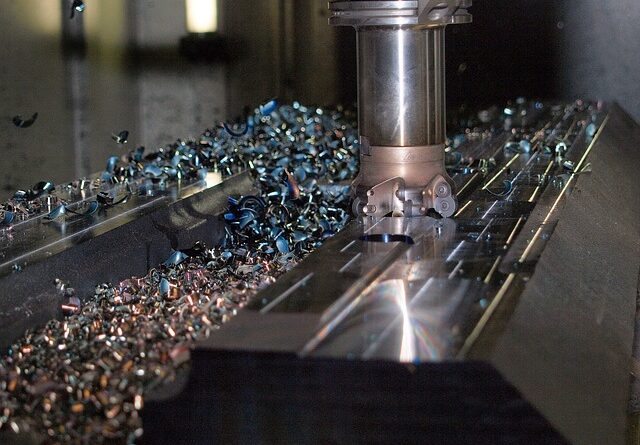
How Can a Metal Cutting Machine Optimize Flush Cutting System Efficiency
Flush Cutting System for Heavy Industrial Applications
Flush cutting systems, when paired with advanced metal cutting machines, form the backbone of precision fabrication in heavy industries. These systems deliver level, distortion-free surfaces essential for assembly and structural integrity. The efficiency of flush cutting lies not only in tool sharpness but also in machine rigidity, digital control, and thermal stability. Modern industrial setups use CNC-driven metal cutting machines that adapt automatically to material feedback, reducing waste and improving repeatability. The result is a process that combines mechanical precision with intelligent automation—critical for sectors like aerospace, shipbuilding, and energy infrastructure where every micron counts.
Understanding the Relationship Between Metal Cutting Machines and Flush Cutting Systems?
Flush cutting systems depend on the synergy between machinery and process design. In heavy fabrication environments, this relationship determines how well the system can maintain tolerance under high load and temperature variations.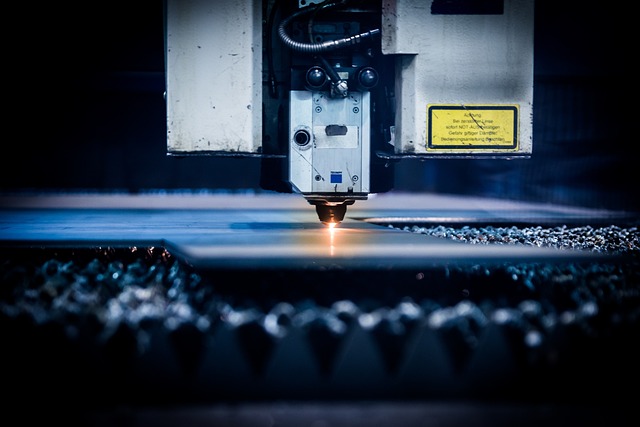
Defining Flush Cutting in Industrial Applications
Flush cutting refers to producing cuts that are perfectly level with adjacent surfaces. It’s common in maintenance tasks such as trimming welds or removing protrusions without damaging base materials. In industrial fabrication, this process ensures structural fit-up and aesthetic uniformity. Precision metrics include dimensional accuracy within microns, minimal heat distortion zones, and smooth surface finishes requiring little post-processing.
The Role of Metal Cutting Machines in Flush Cutting Operations
A modern metal cutting machine integrates servo-driven axes, high-speed spindles, and adaptive control algorithms to maintain flush accuracy across variable geometries. Machine rigidity directly affects vibration damping; even minor instability can cause chatter marks or uneven cut depths. Automated setups outperform conventional manual operations by maintaining consistent tool pressure and feed alignment through programmable logic controllers (PLCs) or CNC interfaces.
Technological Components That Drive Efficiency in Flush Cutting Systems
Industrial flush cutting relies on mechanical design as much as on smart control systems. Each component—from the machine bed to spindle bearings—contributes to operational stability during prolonged runs.
Machine Design and Structural Stability
Frame rigidity minimizes vibration transmission from the spindle to the workpiece. Heavy-duty cast iron or polymer composite bases absorb dynamic forces better than lighter frames. Thermal stability is equally vital; during extended operation, differential expansion can misalign axes by several microns. Reinforced columns with internal cooling channels help maintain structural symmetry under load.
Tooling and Cutting Parameters Optimization
Tool geometry defines how chips form and detach from the surface during flush cuts. Proper selection reduces burr formation and improves finish quality.
Tool Geometry Selection
Cutter profiles with positive rake angles reduce cutting force while maintaining chip flow directionality. A finely honed edge with adequate clearance prevents material smearing on reflective metals like aluminum or stainless steel.
Feed Rate and Speed Control
Feed rate must correlate with spindle speed to sustain constant chip thickness. Adaptive control systems monitor torque feedback from the spindle motor to adjust parameters dynamically when encountering variable hardness zones or inclusions within alloys.
Automation and Digital Control in Metal Cutting for Flush Applications
Automation transforms flush cutting from a skill-based task into a data-driven process. Integration of CNC platforms allows real-time monitoring of tool wear and path deviation without halting production cycles.
CNC Integration for Precision Control
CNC programming defines cut paths along complex contours while maintaining constant engagement between tool and surface. Feedback loops using encoders verify positional accuracy within sub-micron levels. Digital twin simulations replicate actual machining conditions beforehand to test trajectory feasibility and predict stress concentration zones on parts.
Sensor-Based Monitoring Systems
Modern flush cutting setups employ multi-sensor arrays measuring thermal drift, vibration amplitude, and acoustic emissions simultaneously.
Temperature and Vibration Sensors
Thermal sensors track heat buildup near the tool-workpiece interface to prevent expansion-induced dimensional errors. Vibration sensors detect imbalance or bearing wear early enough to avoid catastrophic failure during continuous operation.
Data Analytics and Predictive Maintenance Tools
Machine learning models analyze sensor data trends to predict optimal maintenance intervals based on spindle load history rather than fixed schedules. This predictive approach increases uptime by preventing unscheduled stoppages due to unexpected tool degradation.
Material Considerations in Flush Cutting Efficiency
Material composition heavily influences how a metal cutting machine performs under flush conditions. Adjustments in speed, lubrication, or tool coating depend on hardness gradients across alloys.
Influence of Material Properties on Machine Performance
Ferrous materials like carbon steel require slower feeds due to higher friction coefficients compared with non-ferrous metals such as aluminum or copper alloys. Superalloys used in turbine components demand coated carbide tools capable of resisting oxidation at elevated temperatures.
Surface Integrity and Post-Cut Treatment Requirements
Minimizing Heat-Affected Zones (HAZ)
To preserve material integrity near cut edges, operators limit heat input using controlled coolant flow or pulse-based machining strategies. Mist lubrication provides localized cooling while maintaining visibility around the cut zone; cryogenic cooling with liquid nitrogen further reduces microstructural alteration in sensitive alloys.
Energy Efficiency and Resource Optimization in Flush Cutting Systems
Energy management has become a measurable performance indicator for modern machining centers handling flush applications.
Power Consumption Management in Metal Cutting Machines
Energy audits show that spindle drives consume up to 60% of total power usage during active cycles. Implementing variable frequency drives (VFDs) helps modulate motor speed according to load requirements, lowering idle consumption significantly without compromising torque response needed for dense materials.
Coolant Flow Optimization for Enhanced Efficiency
Fluid Dynamics in Flush Cooling Systems
Coolant nozzle design affects both pressure distribution and heat extraction efficiency at the interface zone. Multi-jet configurations create uniform coverage across wide surfaces while minimizing turbulence-induced splashing. Closed-loop recycling units filter particulates before reintroducing fluid into circulation lines—reducing waste volume while preserving pressure consistency over long durations.
Advancements in Machine Technology Enhancing Flush Cutting Performance
Technological convergence has reshaped how industries achieve precision cuts at scale by combining conventional mechanics with advanced digital ecosystems.
Hybrid Machining Technologies
Hybrid systems merge mechanical milling with laser trimming or electrical discharge machining (EDM) for superior edge quality on intricate geometries. This combination reduces secondary finishing steps like grinding or polishing since hybrid processes deliver near-final surface textures straight from the machine bed.
Smart Manufacturing Integration
IoT Connectivity in Metal Cutting Environments
IoT-enabled machines communicate operational data—temperature profiles, vibration readings, energy draw—to cloud dashboards accessible remotely by engineers or supervisors. Integration with enterprise resource planning (ERP) software aligns production scheduling with real-time equipment status for smoother workflow coordination across departments.
Quality Assurance Through Process Optimization
Quality assurance mechanisms validate whether flush cuts meet dimensional targets before components move downstream into assembly lines.
Measurement Techniques for Evaluating Flush Cut Accuracy
Coordinate measuring machines (CMMs) inspect finished parts against CAD models using tactile probes that capture deviations within microns. Meanwhile, non-contact optical scanners provide rapid verification suitable for large batch inspections without physical contact risk damaging delicate surfaces.
Continuous Improvement Strategies in Industrial Settings
Lean Manufacturing Principles Applied to Flush Cutting
Applying lean principles streamlines setup routines by standardizing tooling configurations across part families—reducing changeover time between jobs significantly. Kaizen-based review sessions encourage operators to suggest incremental adjustments improving throughput while minimizing scrap rates linked to misalignment or overheating incidents during extended runs.
FAQ
Q1: What defines a flush cut compared with standard trimming?
A: A flush cut removes excess material until it’s level with an adjoining surface without leaving protrusions or depressions detectable by touch or measurement tools.
Q2: Why is machine rigidity so critical for precision cuts?
A: Because any flexing or vibration transfers directly into surface irregularities; rigid frames stabilize motion paths even under heavy loads or rapid acceleration cycles.
Q3: How do CNC controls improve consistency?
A: They execute pre-programmed paths repeatedly within micron-level tolerance while adjusting parameters automatically based on sensor feedback during each pass.
Q4: What cooling method best suits high-speed flush operations?
A: Mist lubrication works well for moderate speeds; however, cryogenic cooling is preferred when dealing with heat-sensitive alloys requiring strict HAZ control.
Q5: Can hybrid machining replace traditional milling entirely?
A: Not entirely—hybrid systems complement rather than replace conventional methods by handling complex geometries more efficiently where mechanical tools alone would struggle to maintain finish quality.