
What Makes Band Saw Blades for Wood Ideal for Precision Rip Saw Work
Resaw Blade Guide: What Is the Best Blade for Your Resaws?
Precision resawing depends on blade design more than any other factor. The best band saw blades for wood balance tooth geometry, steel composition, and tension stability to deliver straight, clean cuts through dense stock. For rip saw operations, a wide blade with a low tooth-per-inch count and aggressive rake angle offers superior feed efficiency and accuracy. Professionals often favor carbide-tipped or bi-metal blades for their durability and consistent performance under load.
Understanding the Role of Band Saw Blades in Precision Rip Saw Work?
In precision woodworking, the band saw blade defines the quality of every rip cut. Its geometry, material, and tension directly affect surface finish and dimensional accuracy. A fine-tuned setup minimizes vibration and drift even during long passes through hardwood.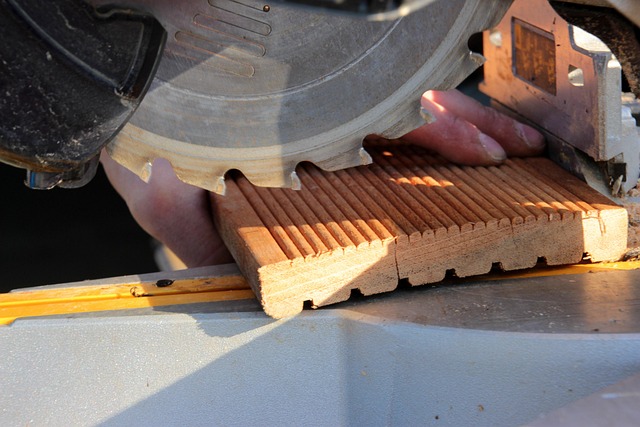
The Function of Band Saw Blades in Woodworking
Band saw blades perform continuous cutting with consistent accuracy by maintaining steady contact with the workpiece throughout each rotation. Their flexibility allows them to handle both curved and straight cuts, but in rip saw work, tracking stability is critical. The tooth geometry—particularly rake angle and gullet depth—determines whether a blade excels at ripping along the grain or crosscutting across it. In high-precision applications like furniture making or veneer slicing, even minor deviations in tracking can compromise results.
How Rip Sawing Differs from Other Cutting Operations
Rip sawing follows the wood grain rather than cutting across it. This direction demands efficient chip removal to prevent clogging and reduce surface tear-out. A lower TPI (teeth per inch) count paired with an aggressive rake angle allows faster feed rates while keeping motor strain low. In contrast, crosscutting uses finer teeth to produce smoother ends but sacrifices speed. Choosing the right configuration ensures clean edges without scorching or wandering cuts.
Key Design Features That Define an Ideal Band Saw Blade for Wood
Selecting a blade for rip sawing involves balancing tooth form, width, thickness, and tension control. Each parameter influences how smoothly the material feeds through the kerf and how well the blade resists deflection.
Tooth Geometry and Pitch Considerations
A lower TPI count increases chip clearance during deep rips, preventing overheating in thick boards. Hook-tooth profiles are favored because they pull fibers efficiently into the cut path, improving throughput on dense lumber. Consistent tooth set patterns distribute friction evenly along the blade’s length, reducing heat buildup that can dull edges prematurely during long production runs.
Blade Width, Thickness, and Tension Stability
Wider blades—typically ¾ inch or more—offer greater beam strength for straight-line precision when resawing wide panels or veneers. The correct thickness provides rigidity without losing flexibility; too thin leads to wandering cuts, too thick increases stress on wheels. Maintaining proper tension keeps tracking uniform across varying wood densities, ensuring parallel cuts even under heavy feed pressure.
Material Composition and Manufacturing Quality of Band Saw Blades
The metallurgy behind a band saw blade determines its edge retention and resistance to fatigue cracking. Industrial users often choose materials based on workload intensity rather than cost alone.
Blade Steel Types Used in Professional Woodworking Applications
Carbon steel blades remain popular for softwoods due to their affordability and ease of sharpening on-site. Bi-metal designs combine a flexible spring-steel backer with hardened alloy teeth that withstand prolonged heat exposure during heavy-duty ripping cycles. For abrasive hardwoods like maple or exotic composites such as bamboo laminates, carbide-tipped blades deliver exceptional wear life while maintaining sharpness over extended use.
Heat Treatment and Hardening Processes
Controlled hardening refines grain structure within the steel so edges stay sharper longer without becoming brittle. Uniform tempering across the blade body prevents fatigue cracks that often occur after repeated stress cycles in production environments. This balance between hardness and elasticity is what separates professional-grade blades from entry-level options.
Performance Factors Affecting Precision in Rip Saw Work
Even a well-made blade can underperform if operational parameters are off-balance. Feed rate, cutting speed, alignment, and guide setup all interact to determine cut quality.
Feed Rate and Cutting Speed Optimization
Finding equilibrium between feed rate and blade speed minimizes vibration that causes chatter marks on finished surfaces. Too much feed pressure forces drift or wavy lines; too little risks burning from frictional heat buildup. Many operators use variable-speed controls to adapt cutting speed based on wood species density.
Blade Tracking, Alignment, and Guide Adjustment
Accurate wheel alignment reduces lateral movement during extended rip cuts—a small misalignment can cause cumulative deviation over long boards. Properly adjusted guide bearings support the blade under high-tension loads while maintaining consistent kerf width from start to finish.
Maintenance Practices That Enhance Blade Longevity and Accuracy
Routine maintenance directly impacts both lifespan and performance consistency of band saw blades used for ripping operations.
Sharpening Intervals and Tooth Set Restoration
Regular sharpening maintains cutting efficiency by restoring edge sharpness before dullness leads to heat glazing or burn marks on wood surfaces. Restoring original tooth set spacing keeps chips moving freely through gullets instead of binding mid-cut—a common cause of motor strain.
Cleaning, Storage, and Handling Procedures
Removing resin buildup with mild solvents prevents friction-related wear along tooth edges. When storing unused blades, coiling them properly avoids kinks that distort straightness later during tensioning or tracking adjustments.
Selecting the Right Band Saw Blade for Specific Rip Saw Applications
Matching blade characteristics to material type determines both productivity and finish quality in professional shops handling varied stock sizes.
Matching Blade Specifications to Wood Type and Thickness
Dense hardwoods such as oak require stronger backer steels combined with sharper hook angles around 10°–15° for efficient fiber penetration. Softer woods like pine benefit from moderate TPI counts (3–4 TPI), balancing rapid feed rates with acceptable surface smoothness suitable for direct finishing or gluing applications.
Evaluating Blade Performance Through Test Cuts and Adjustments
Trial runs using representative stock help fine-tune tension levels relative to board thickness. Observing kerf uniformity reveals whether guides need micro-adjustment; smoother surfaces indicate optimal alignment between wheels and bearings—a sign that both machine setup and blade selection are properly matched.
FAQ
Q1: What is the most suitable TPI range for rip sawing hardwood?
A: Typically 2–3 TPI works best since it clears chips efficiently while maintaining adequate bite through dense fibers.
Q2: Why do carbide-tipped blades last longer than carbon steel ones?
A: Carbide retains hardness at higher temperatures generated during heavy ripping cycles where carbon steel would soften or dull quickly.
Q3: How often should a band saw blade be sharpened?
A: After approximately every 2–4 hours of continuous use depending on wood abrasiveness; visual signs include burn marks or increased feed resistance.
Q4: Can one blade type handle both rip cuts and crosscuts effectively?
A: While combination blades exist, specialized designs outperform hybrids when precision matters—especially in professional woodworking setups.
Q5: What causes drift during long rip cuts?
A: Drift usually results from uneven tooth set patterns or improper wheel alignment causing lateral pull as material feeds through the saw path.