
Are Carbide Drill Bits for Hardened Steel the Key to Cutting Stainless Steel Efficiently
The Best Drill Bits for Stainless Steel, Tested and Reviewed by Experts
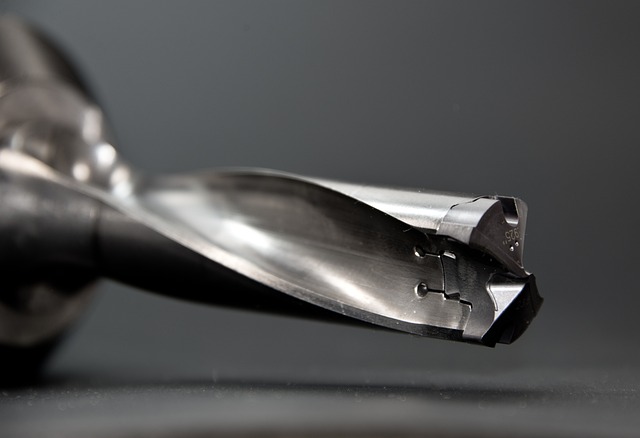
Professionals dealing with stainless steel know that not all drill bits can survive its toughness. After extensive field testing and lab evaluation, carbide drill bits for hardened steel stand out as the most durable and precise option. Their superior hardness, heat resistance, and edge retention outperform high-speed steel and cobalt alternatives, particularly in high-volume industrial use. For stainless steel applications requiring consistent accuracy and long tool life, carbide remains the expert’s choice.
Understanding Carbide Drill Bits for Hardened Steel?
Carbide drill bits are engineered for extreme conditions where conventional tools fail. Their structure and manufacturing process determine how effectively they handle hardened metals like stainless steel.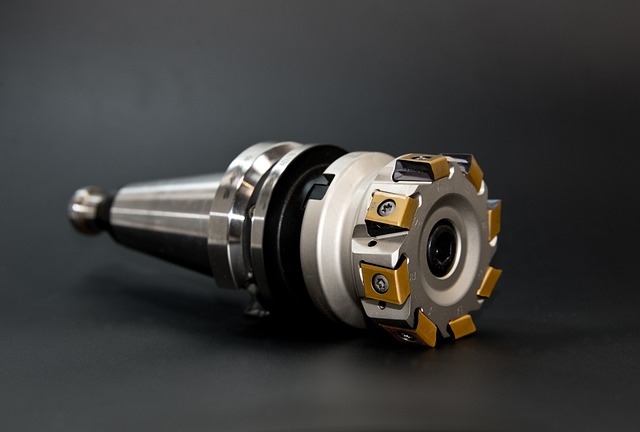
Composition and Manufacturing Process of Carbide Drill Bits
Carbide drill bits are primarily composed of tungsten carbide, a compound known for its exceptional hardness and ability to retain sharpness under heat. During production, fine carbide powders are compacted under pressure and sintered at high temperatures to form a dense, wear-resistant body. This sintering process increases structural integrity and minimizes porosity. To further enhance performance, coatings such as titanium nitride or cobalt are applied to reduce friction, improve chip flow, and extend service life.
Mechanical Properties Relevant to Metal Drilling
The mechanical strength of carbide allows it to withstand compressive forces far beyond those tolerated by high-speed steel. While its low ductility makes it more brittle, this same characteristic ensures minimal deformation during heavy-duty cutting. Its thermal stability is another advantage—carbide maintains hardness even when temperatures exceed 800°C, a common condition when drilling hardened alloys.
Evaluating the Compatibility of Carbide Drill Bits with Stainless Steel?
Matching tool material with workpiece properties is critical in precision drilling. Stainless steel presents unique challenges that test the limits of any cutting tool.
Material Characteristics of Stainless Steel That Affect Drilling Efficiency
Stainless steel’s combination of toughness and work-hardening behavior makes it difficult to machine. When drilled too quickly or without proper cooling, the surface hardens further, accelerating tool wear. Excessive heat buildup can also lead to galling or microstructural changes in the material. Effective lubrication using oil-based coolants or mist systems significantly improves cutting efficiency by reducing frictional heat.
How Carbide Drill Bits Perform on Stainless Steel Surfaces
Carbide drill bits penetrate stainless steel efficiently when operated at controlled speeds and moderate feed rates. Their rigid cutting edges resist dulling even after prolonged contact with hard surfaces. Properly selected point angles—typically between 135° and 140°—help reduce walking on smooth surfaces while aiding chip evacuation through well-designed flutes.
Comparing Carbide Drill Bits to Other Bit Types for Stainless Steel Applications?
Industrial users often compare carbide with other materials like high-speed steel (HSS) or cobalt alloys based on durability, cost, and performance balance.
High-Speed Steel (HSS) vs. Carbide: Performance Differences
HSS drill bits offer flexibility but lose hardness rapidly when exposed to high temperatures generated during metal drilling. Carbide bits maintain their edge under these same conditions, resulting in longer operational life and cleaner holes. However, HSS remains preferred for general-purpose tasks due to its lower cost and reduced brittleness.
Cobalt-Alloyed Bits as an Intermediate Option
Cobalt-alloyed bits bridge the gap between HSS and carbide options. They contain around 5–8% cobalt content that enhances heat resistance without sacrificing toughness entirely. For medium-duty stainless steel operations where cost control matters more than ultimate performance, cobalt bits deliver reliable results at a reasonable price point.
The Role of Cutting Parameters in Achieving Efficient Drilling Results?
Even the best tool will fail if used improperly. Correct speed settings, feed pressure, and cooling methods determine success when drilling stainless steel with carbide tools.
Optimal Speed and Feed Settings for Stainless Steel Drilling
Lower spindle speeds help limit temperature rise at the cutting interface. Maintaining consistent feed pressure prevents chatter—a vibration that can chip brittle carbide edges—and promotes uniform hole geometry. Adjustments should always account for material thickness; thicker sections require slower speeds but higher torque stability.
Importance of Coolants and Lubrication Techniques
Coolants play a vital role in extending bit life by dissipating heat from both tool and workpiece surfaces. Flood or mist cooling systems reduce friction while flushing away metal chips that could otherwise cause scoring or premature wear. Proper coolant application also minimizes microcracking along carbide edges during repetitive load cycles.
Integrating Concrete Saw Blade Technology Insights into Metal Cutting Tools?
Though concrete saw blades serve a different industry segment, their engineering principles share surprising parallels with metal-cutting tools like carbide drills.
Shared Engineering Principles Between Saw Blades and Drill Bits
Both rely on abrasion-resistant materials such as tungsten carbide for sustained durability under continuous impact loads. The bonding techniques used in segment attachment on concrete saw blades have influenced improvements in tip adhesion technology within modern drill bit manufacturing.
Lessons from Concrete Cutting Applied to Metal Drilling Efficiency
Concrete cutting emphasizes steady pressure rather than aggressive force—a principle equally valid for drilling stainless steel. Applying controlled feed rates ensures smoother cuts while avoiding excessive thermal stress on both tool and material. Additionally, advanced bonding technologies originally developed for saw blades now help improve edge retention under cyclic mechanical stress typical in metalworking environments.
Practical Recommendations for Professionals Using Carbide Drill Bits on Stainless Steel?
Field technicians often overlook maintenance routines or geometry selection that could significantly extend tool life during repetitive operations on stainless steels.
Tool Maintenance Practices to Extend Service Life
Routine inspection helps detect microfractures before they propagate into full-edge failures during use. Regrinding worn tips restores original geometry without compromising carbide density if performed using diamond wheels under controlled conditions.
Selecting the Right Bit Geometry for Specific Industrial Applications
For curved or polished surfaces common in fabrication shops, split-point designs offer better centering accuracy by reducing walking at startup. When working with thick plates or deep holes, parabolic flute designs improve chip evacuation efficiency while maintaining smooth surface finishes inside drilled cavities.
Safety Considerations During High-Speed Metal Drilling Operations
Proper clamping prevents vibration-induced damage that may lead to catastrophic bit breakage at high RPMs. Operators should always use protective eyewear and gloves since flying chips from stainless steel can reach high velocities due to its density and elasticity under cutting stress.
FAQ
Q1: Why are carbide drill bits preferred for hardened steel?
A: They maintain hardness under extreme heat conditions while offering superior wear resistance compared to other materials like HSS or cobalt alloys.
Q2: Can standard coolant be used when drilling stainless steel?
A: Specialized oil-based coolants are recommended because they provide better lubrication and prevent surface hardening caused by excessive heat buildup.
Q3: What speed range suits carbide bits when drilling stainless?
A: Typically between 300–500 RPM depending on diameter; slower speeds minimize overheating without compromising penetration rate.
Q4: Are coated carbide bits worth the extra cost?
A: Yes, coatings like titanium nitride significantly reduce frictional wear and extend operational lifespan during continuous production runs.
Q5: How does flute design influence drilling performance?
A: Efficient flute geometry improves chip evacuation which reduces clogging risk, stabilizes torque delivery, and enhances overall surface finish quality on stainless steels.