
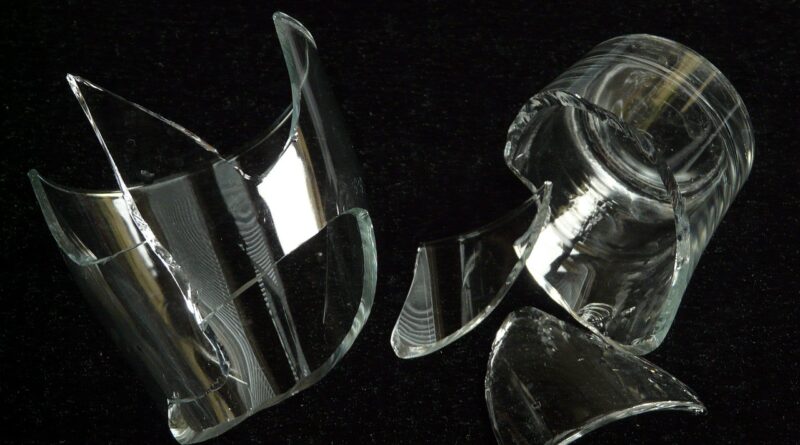
Dremel glass cutting guide for clean edges and fewer cracks
What Dremel glass cutting is good for
Dremel glass cutting is useful when the work is small, controlled, and done with the right diamond accessory. Typical jobs include trimming a corner, cutting a notch, opening a small slot, shaping stained-glass pieces, modifying craft glass, or cleaning up an edge after a score-and-snap cut. It is usually not the right method for long straight cuts, thick architectural panels, tempered glass, laminated safety glass, mirrors with sensitive backing, or production work where dimensional repeatability matters. For those jobs, a conventional glass cutter, wet tile saw with a glass-rated blade, glass grinder, waterjet, or CNC glass processing route is usually more appropriate.
A Dremel does not cut glass like a toothed saw. A diamond wheel removes material by abrasion. That makes it useful for detail work, but it also means heat, vibration, glass dust, and edge chipping can become problems if the tool is pushed too hard. Treat the process as controlled grinding, not fast sawing, and the result is more predictable.
For more cutting and tooling context across shop and fabrication applications, see Mechmeld’s Cutting & Tooling section.
Choose the right Dremel accessory before cutting
The accessory matters more than the tool brand name. For glass, use a diamond-coated wheel or a diamond wheel point intended for hard, brittle materials. Standard resin cut-off wheels, wood wheels, and general-purpose abrasive discs are poor choices because they can wear quickly, load up, overheat, or fracture in brittle work.
Dremel’s own accessory literature lists diamond-coated cutting wheels such as the 545 and EZ545 for hard materials. The commonly referenced 545 diamond-coated wheel is a small wheel used with a mandrel, while the EZ545 is an EZ Lock diamond-coated wheel with a larger diameter. Dremel’s published specifications have listed the 545 at 7/8 inch diameter with a 20,000 rpm rating and the EZ545 at 1-1/2 inch diameter with a 35,000 rpm rating. Always check the package and the tool manual for the exact accessory, mandrel, and rpm limit in your hand, because accessory families and regional packaging can change.
| Accessory type | Best use on glass | Limitations |
|---|---|---|
| Diamond cut-off wheel | Small straight trims, slots, notches, and rough shaping | Can chip edges if forced; limited cutting depth |
| Diamond wheel point | Detail grinding, engraving, tiny openings, and edge corrections | Slow material removal; not for long cuts |
| Silicon carbide grinding stone | Light smoothing or dressing after cutting | Can heat the edge; not a primary cutting tool |
| Standard glass cutter | Long straight cuts in annealed flat glass | Does not cut curves or internal notches well |
| Wet saw or glass grinder | Cleaner cutting, edge work, and repeated shop operations | Requires dedicated equipment and setup |
Know which glass should not be cut with a Dremel
Identify the glass before plugging in the tool. Annealed flat glass, many stained-glass sheets, some craft glass, and some bottle glass can be modified with diamond tools if they are properly supported and handled carefully. Tempered glass is different. The National Glass Association’s glazing guidance states that heat-strengthened and fully tempered glass cannot be cut, drilled, or edged after heat treatment. Attempts to grind or notch tempered glass can release internal stresses and cause sudden breakage.
If you are unsure whether a pane is tempered, do not assume it is safe to modify. Many shower doors, patio doors, appliance panels, table tops, vehicle side windows, and some shelving products are tempered. Tempered pieces may have an etched safety mark, but the absence of a mark does not prove the piece is annealed. When the part is structural, installed, large, or safety-critical, use a glass shop rather than a hand rotary tool.
Laminated glass also needs caution. Its interlayer can melt, bind, or delaminate during abrasive cutting. Mirrors can be damaged through the back coating, and aquarium glass may be under design constraints where a small chip can become a crack initiator. In practical terms, a Dremel is a detail-modification tool for noncritical pieces, not a universal glass fabrication machine.
Set up the work area for control and safety
Glass cutting problems often start before the wheel touches the surface. The workpiece must be fully supported so it cannot chatter. A soft sacrificial backing, such as rubber matting, firm foam, cork, or a flat wood board covered with tape, helps distribute pressure. Avoid clamping directly on an unsupported edge; point loading can break glass before cutting even begins.
Mark the cut with a fine permanent marker or layout tape. Blue painter’s tape on both sides of the cut line can reduce surface scratching and make the line easier to see. For a notch, drill or grind a small radius at the inside corner if the design allows it. Sharp internal corners concentrate stress, while a radius spreads load more evenly.
- Wear impact-rated eye protection; a face shield over safety glasses is sensible for brittle materials.
- Use cut-resistant gloves when handling glass, but keep gloves away from the rotating wheel.
- Use respiratory protection appropriate for fine dust and work in a well-ventilated area.
- Keep bystanders, pets, loose clothing, cords, and hair away from the tool.
- Inspect the wheel for cracks, wobble, or missing diamond coating before use.
- Secure the workpiece so the glass, not your hand, absorbs tool movement.
Dust deserves particular attention. NIOSH and OSHA both warn that cutting, grinding, drilling, and polishing hard mineral materials can generate respirable dust, and glass manufacturing is among the activities where silica exposure can be a concern. A small craft cut is not the same as an industrial exposure assessment, but the practical control is similar: keep dust down, avoid dry clouds, clean with wet methods or a HEPA-rated vacuum where appropriate, and do not blow glass dust around with compressed air.
How to cut glass with a Dremel step by step
1. Test on scrap first
Use a scrap piece of similar glass before cutting the real part. This shows whether the glass will tolerate the process and helps you find a tool speed that removes material without excessive chatter. Never exceed the accessory’s rated rpm. In general, use the slowest speed that cuts steadily, then adjust only if the wheel is rubbing rather than cutting.
2. Start with a shallow pass
Bring the wheel to speed before touching the glass. Approach the line lightly and create a shallow groove instead of trying to cut through in one pass. The groove helps guide later passes and reduces sideways wandering. Keep the tool perpendicular unless you intentionally want a bevel.
3. Let the diamond abrasive do the work
Pressure is the enemy. If you push hard, the glass can heat, chip, or crack, and the wheel can deflect. Move slowly enough that the wheel is cutting, but not so slowly that it dwells in one spot and overheats the edge. For a slot or notch, alternate sides where possible so stress is not concentrated on one face. See also: CNC Machining.
4. Control heat without ignoring electrical safety
Many glass operations use water for cooling and dust suppression, but rotary tool manuals commonly warn against exposing power tools to wet conditions, and they call for GFCI protection if damp operation is unavoidable. Do not flood a corded rotary tool or allow water to reach the motor, switch, battery, charger, or outlet. If wet cutting is required for the job, a purpose-built wet saw or wet glass grinder is the safer equipment choice. For small hand work, pause frequently, let the glass cool, and follow the tool manufacturer’s instructions rather than improvising a water setup around a live tool.
5. Finish the edge
After the cut, the edge will usually be sharp and may contain small chips. Use a diamond point, fine silicon carbide stone, or wet/dry abrasive paper on a backing block to ease the edge. The goal is not to remove large amounts of material; it is to eliminate sharpness and reduce stress risers. Clean the piece carefully, then inspect it under good light before installation or use.
Why cracks happen and how to reduce them
Cracking usually comes from a combination of heat, vibration, poor support, pre-existing flaws, or geometry. Glass is strong in compression but weak at surface flaws and sharp edges. A tiny nick can become the starting point for a crack when the wheel vibrates or when the part flexes on the bench.
- Chipping along the line: Use lighter passes, improve backing support, and verify that the wheel is diamond-coated and running true.
- A crack starts ahead of the wheel: Stop. The glass may be stressed, unsupported, tempered, or overheated. Continuing usually makes the break worse.
- The wheel skates across the surface: Add layout tape, start with a shallow groove, and reduce side pressure.
- The edge turns white or rough: You may be dwelling too long in one spot or using too much speed for the material.
- The notch breaks at the inside corner: Redesign with a radius or use a different process; square inside corners are high-risk in brittle material.
For straight cuts in flat annealed glass, the better workflow is often to score the surface with a proper glass cutter, snap the glass, and then use the Dremel only for edge cleanup or small relief cuts. That sequence uses each tool where it performs best. The scoring wheel creates a controlled fracture line; the rotary tool refines details.
When another cutting method is better
A Dremel is attractive because it is inexpensive, compact, and already available in many shops. It is not always the most efficient or safest option. For long straight cuts, a handheld glass cutter and breaking pliers are faster and cleaner on annealed glass. For repeated curves in stained glass, a ring saw or glass grinder gives better control. For tile-like glass pieces, a wet saw with a glass-rated diamond blade may produce cleaner edges. For thick, expensive, or dimension-critical parts, professional fabrication is the better route.
In manufacturing and maintenance settings, the decision should also consider repeatability, dust control, operator exposure, edge quality, and scrap risk. A hand rotary tool may be acceptable for one noncritical clearance notch, but it is rarely the right process for repeated parts. If the job requires tolerances, polished edges, holes near edges, or load-bearing glass, specify the fabrication before tempering or send the part to a glass processor.
Frequently asked questions
Can a Dremel cut glass bottles?
It can cut or notch some bottles, but bottle glass varies in thickness, curvature, stress, and composition. Curved surfaces are harder to support than flat glass, so cracking is common. For bottle rings or clean separations, a bottle-cutting jig followed by thermal separation and edge finishing may be more predictable than cutting all the way through with a rotary wheel.
Can a Dremel cut tempered glass?
No practical shop method should be treated as safe for cutting tempered glass after tempering. Industry guidance says heat-strengthened and fully tempered glass should be fabricated before heat treatment, not cut or drilled afterward. If the part is tempered and the size is wrong, the normal solution is replacement, not modification.
Should glass be cut wet or dry with a Dremel?
Wet methods can reduce dust and heat in glass and mineral cutting, but water around a handheld power tool creates electrical and tool-damage concerns. Follow the rotary tool manual. If continuous water cooling is necessary, use equipment designed for wet operation rather than improvising around a standard rotary tool.
What speed should be used for Dremel glass cutting?
There is no single safe speed for all glass, wheels, and tools. Stay below the accessory’s maximum rpm, test on scrap, and use the lowest speed that cuts without chatter. Excess speed and pressure can increase heat and edge damage.
Is a diamond wheel enough to make a smooth glass edge?
Usually not by itself. A diamond wheel makes the cut, but the edge often needs finishing with a finer diamond point, silicon carbide abrasive, or wet/dry abrasive paper. Edge finishing is especially important where the glass will be handled or where a chip could grow into a crack.