
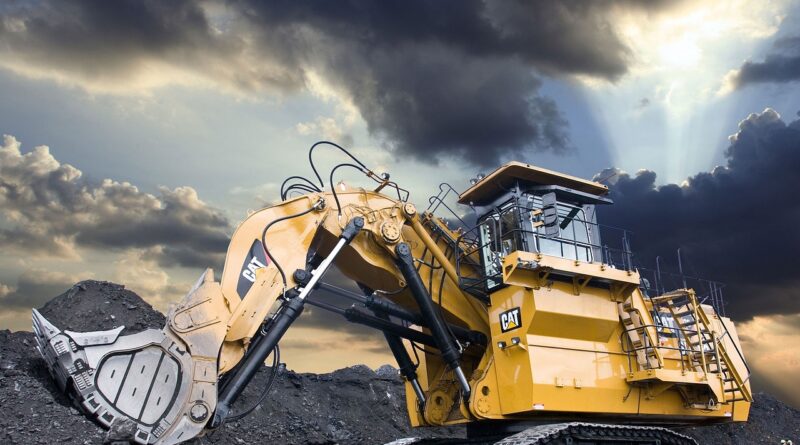
Excavator machine guide to types, specs, attachments, and jobsite trends
What an excavator machine does
An excavator machine is a hydraulic earthmoving unit used to dig, lift, swing, load, grade, demolish, and handle materials with interchangeable attachments. For contractors, plant managers, and project planners, the decision is rarely just small versus large. The machine has to match the work in operating weight, reach, hydraulic power, bucket size, tail swing, transport limits, emissions profile, and control technology. Modern excavators are also part of several wider equipment trends, including 2D and 3D grade control, mixed-fleet telematics, lower-emission diesel engines, and battery-electric models for selected duty cycles. For more machinery coverage, visit the Equipment & Machines section.
In practice, the job should define the excavator, not the catalog category. A residential utility crew may need compact radius, low ground disturbance, and straightforward trailer transport. A quarry or heavy civil contractor may put more value on bucket breakout force, track stability, reach, cycle time, and uptime. A demolition crew may need guarding, auxiliary hydraulics, a quick coupler, and an attachment package that can change as site conditions change.
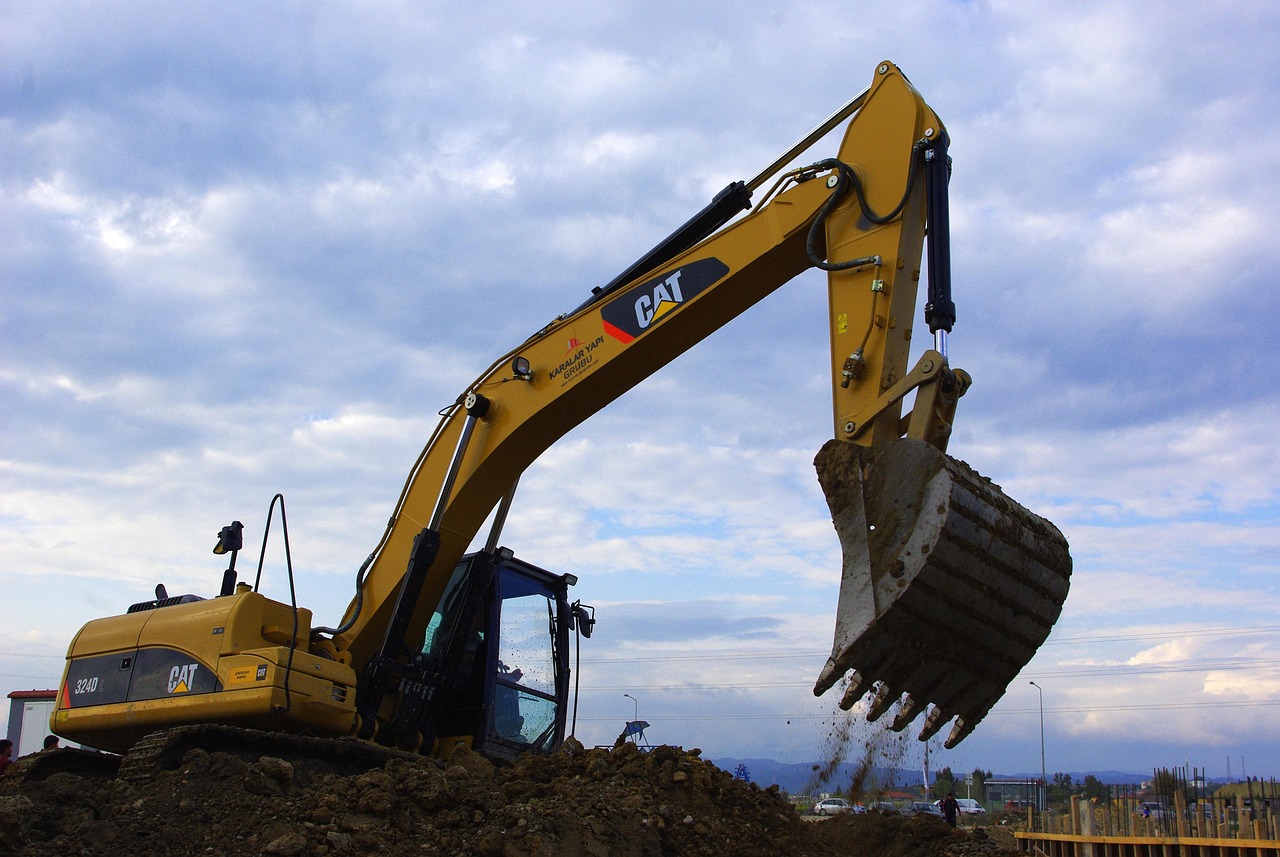
Core components that define performance
Most hydraulic excavators use the same basic architecture. The undercarriage supports the machine and provides mobility through tracks or wheels. The revolving upper structure, often called the house, carries the engine or battery system, pumps, counterweight, cab, control valves, cooling package, and hydraulic oil tank. The front linkage includes the boom, arm or stick, bucket, and attachment coupler. The swing system lets the upper structure rotate, so the machine can dig, place, and load without being repositioned after every cycle.
The hydraulic system is the center of performance. Pumps convert engine or electric motor power into oil flow and pressure. That flow moves cylinders, travel motors, swing motors, and attachments. When comparing machines, flow rate, pressure, breakout force, arm force, lifting capacity, and cooling capacity matter as much as horsepower. A machine with enough engine power but insufficient hydraulic flow may handle a bucket acceptably and still struggle with a hammer, mulcher, or high-demand tiltrotator.
The cab and control system also have a direct effect on productivity. Visibility, cameras, seat ergonomics, low-effort joysticks, selectable control patterns, machine guidance, and payload or lift-assist functions can reduce fatigue and rework. These are not cosmetic features. They affect cycle consistency, operator confidence, and the ability to hold grade near utilities, slopes, foundations, and roadbeds.
Main excavator machine types and where they fit
Excavators are commonly grouped by size, mobility, and working configuration. Category boundaries vary by manufacturer, so operating weight and intended application are more reliable than the class name alone. Caterpillar’s public product information, for example, presents mini excavators as machines below roughly the 10-ton class, while manufacturer size guides generally separate compact, small, medium, and large classes around transportability and production requirements.
| Type | Typical use | Selection notes |
|---|---|---|
| Mini or compact excavator | Landscaping, residential utility work, indoor demolition, small foundations, confined sites | Check width, tail swing, dig depth, trailer limits, rubber tracks, and auxiliary hydraulics. |
| Crawler excavator | General construction, mass excavation, trenching, roadwork, site development | Tracks provide stability and lower ground pressure, but transport usually requires a trailer or lowboy. |
| Wheeled excavator | Urban work, road maintenance, municipal utility repair, hard surfaces | Faster road travel and less pavement damage can outweigh lower off-road traction. |
| Long-reach excavator | Dredging, slope work, shoreline maintenance, deep excavation, pond cleaning | Extra reach reduces lifting capacity; stability charts and counterweight configuration are critical. |
| Demolition or high-reach excavator | Structural demolition and material sorting | Requires guarding, specialized booms, high-flow hydraulics, dust control planning, and strict exclusion zones. |
| Electric excavator | Indoor, urban, low-noise, low-emission, and regulated sites where charging is feasible | Assess runtime, charging window, charger type, duty cycle, and backup power before adoption. |
The right type is usually the one that minimizes total job cost, not the one with the highest digging force. Moving an oversized excavator to a tight urban site can increase transport, permit, access, and restoration costs. Using an undersized machine on a production trench can increase cycle time, operator fatigue, and fuel burn per cubic yard.
Key specifications to compare before buying or renting
Operating weight is the first specification to check because it affects stability, ground pressure, transport, and site access. A heavier machine can usually carry larger buckets and handle higher lift loads, but it may exceed bridge limits, pavement restrictions, trailer capacity, or soft-ground bearing capacity. For a short-term rental, transport cost can become a major part of the total bill.
Dig depth, dump height, reach at ground level, and vertical wall capability should be checked against drawings rather than rough job descriptions. A trenching contractor should compare required trench depth, bedding method, pipe diameter, spoil placement, and truck loading height. A contractor loading highway trucks needs enough dump height and reach to place material without overextending the machine or constantly repositioning.
Bucket capacity is useful only when it is matched to material density and machine stability. A large bucket in dry sand may be efficient; the same bucket in wet clay or blasted rock can overload the linkage, slow cycle times, and increase wear. The same logic applies to lift planning. Lift capacity changes with radius, height, over-side versus over-front position, track width, counterweight, and attachment weight. Manufacturer lift charts and operator manuals should govern the decision.
- Tail swing: Compact-radius and reduced-tail-swing machines help near walls, roads, and traffic, but they may trade off service access or counterweight leverage.
- Auxiliary hydraulics: Flow and pressure must match attachments such as hammers, augers, grapples, compactors, and mulchers.
- Undercarriage: Steel tracks suit rugged production work, while rubber tracks or pads protect pavement and finished surfaces.
- Ground pressure: Wider shoes can help in soft conditions but may reduce maneuverability and increase side stress on hard surfaces.
- Service access: Ground-level filters, grouped grease points, and clear inspection points reduce downtime.
Attachments turn one excavator into several tools
The bucket is only the starting point. General-purpose buckets handle common digging and loading. Heavy-duty buckets add structure for abrasive materials. Trenching buckets improve narrow cuts, while grading buckets support cleanup, slope shaping, and ditch maintenance. Thumbs, grapples, and sorting buckets extend an excavator’s role into demolition cleanup, log handling, scrap sorting, and recycling yards.
Hydraulic hammers, plate compactors, augers, rippers, shears, pulverizers, tilt buckets, and tiltrotators can sharply increase utilization. Each attachment also changes the machine’s weight, balance, hydraulic demand, and maintenance profile. A hammer needs the correct flow, pressure, carrier weight, tool diameter, lubrication, and operator technique. A tiltrotator adds flexibility, but it also increases front-end weight, which can reduce lift capacity at reach. A quick coupler saves time, provided locking checks and operator training are handled correctly.
Fleet managers should treat attachments as a system. The carrier, coupler, hydraulic lines, control software, guarding, and work tool should be specified together. When attachments are rented separately, the crew should verify pin dimensions, coupler compatibility, electrical connectors, pressure relief settings, and return-line requirements before the machine arrives on site.
Technology trends shaping excavator selection
Grade control is one of the most important changes in excavation work. Manufacturer information from John Deere, Caterpillar, and other equipment makers shows a clear shift from simple depth indication toward 2D and 3D systems that guide or partly automate boom, arm, and bucket movement. These systems can help operators cut to design surfaces, reduce staking, limit over-excavation, and improve consistency in trenching, foundations, slopes, and drainage work.
Telematics is another practical shift. The AEMP telematics standard later moved into ISO 15143-3 for earthmoving machinery data exchange, helping mixed fleets share information such as operating hours, location, fuel use, idle time, and fault codes. For a contractor, the value is not the data itself. It is the decisions the data supports: preventive maintenance, utilization reviews, theft response, fuel management, and replacement planning.
Electrification is advancing, but it is not yet a universal substitute for diesel in every excavator class. Volvo Construction Equipment has promoted the EC230 Electric in the 23-ton class, while Caterpillar has listed battery-electric excavator concepts and prototypes, including mini and medium models, within its electric machine development activity. The practical takeaway is that electric excavators can be attractive where noise, local emissions, indoor work, or urban restrictions matter. Charging infrastructure, duty cycle, power availability, and acquisition cost still need to be evaluated before purchase. See also: CNC Machining.
Diesel technology also remains important. The U.S. Environmental Protection Agency regulates nonroad compression-ignition engines used in equipment such as excavators through tiered emission standards, with Tier 4 requiring advanced engine and fuel controls. Buyers comparing new and used machines should understand whether a machine’s emissions tier matches job requirements, maintenance capability, local regulations, and resale expectations.
Safety and site planning should guide the work method
An excavator can create hazards as quickly as it creates production. OSHA trenching and excavation guidance emphasizes protective systems, competent-person inspections, safe access and egress, spoil placement, and controls for cave-in hazards. In the United States, trenches 5 feet deep or deeper generally require a protective system unless the excavation is made entirely in stable rock. Excavations 20 feet deep or greater require protective systems designed by a registered professional engineer or based on approved tabulated data. OSHA guidance also calls for safe access in trench excavations 4 feet or deeper and for spoil and materials to be kept back from the edge.
Machine-specific safety starts before digging. Crews should locate utilities, confirm ground conditions, establish exclusion zones, plan truck positioning, and keep workers out of the swing radius. Operators should use the seat belt, follow the lift chart, keep the bucket low while traveling, avoid undercutting the machine, and maintain three points of contact when entering or exiting. Slopes, water, surcharge loads, nearby structures, and vibration from traffic can all change excavation risk during a shift.
Safety also includes attachment control. A hammer can throw debris, a grapple can shift loads suddenly, and a quick coupler can fail if it is not fully locked or inspected. Training should cover the specific machine, the specific attachment, the site plan, and the communication method between the operator, spotter, truck drivers, and ground crew.
Maintenance and ownership costs
The purchase price or rental rate is only one part of excavator economics. Fuel or electricity, ground-engaging tools, hydraulic oil, filters, grease, undercarriage wear, pins and bushings, hoses, aftertreatment service, tires or tracks, transport, insurance, and downtime all affect the real cost per hour. A machine that is slightly more expensive to rent may still be cheaper on the job if it uses less fuel, carries the right attachment, avoids rework, or receives faster service support.
Daily checks should include fluid levels, leaks, track tension, loose hardware, bucket teeth, cutting edges, coupler condition, lights, alarms, cameras, mirrors, grease points, and damage to cylinders or hoses. For diesel machines, air intake and cooling system cleanliness are especially important in dusty work. For electric machines, the maintenance list changes but does not disappear. Charging equipment, high-voltage safety procedures, battery thermal management, software status, and connector condition become part of the operating routine.
A useful fleet strategy is to separate production machines from support machines. A high-hour crawler excavator may perform the main cut, while a compact excavator handles utilities, cleanup, and tight-access tasks. That approach can reduce idle time, lower transport friction, and keep the primary machine doing the work that justifies its size.
Practical selection checklist
| Question | Why it matters |
|---|---|
| What is the deepest, farthest, and highest point the machine must reach? | Reach and depth determine whether the machine can work safely without excessive repositioning. |
| What material will be dug, lifted, or handled? | Material density affects bucket size, cycle time, wear, and stability. |
| How will the machine get to the site? | Transport width, weight, permits, bridges, and trailer capacity can rule out some models. |
| Which attachments are required? | Hydraulic flow, pressure, coupler type, and guarding must match the attachment package. |
| Are there emissions, noise, or indoor restrictions? | These requirements may favor newer diesel, electric, or smaller machines. |
| What data or grade-control features are actually useful? | Technology should reduce rework, idle time, or supervision burden rather than add complexity. |
The strongest selection process begins with drawings, soil information, lift requirements, transport limits, and attachment needs, then works backward to the machine. That method avoids the common mistake of choosing by horsepower or bucket size alone.
Frequently asked questions
What is the difference between an excavator and a backhoe?
An excavator has a rotating upper structure and is usually optimized for digging, lifting, swinging, and attachment work from a fixed position. A backhoe loader combines a loader bucket on the front with a backhoe on the rear, making it useful for smaller jobs where road travel, loading, and digging are all needed from one machine.
What size excavator machine is right for general construction?
There is no single correct size. Compact machines suit tight sites and light utility work, while mid-size crawler excavators are common for trenching, foundations, roadwork, and site development. The right choice depends on dig depth, reach, lift radius, bucket size, transport constraints, and ground conditions.
Are electric excavators ready for heavy construction?
They are ready for some applications, especially where lower noise and no tailpipe emissions at the point of use are valuable. For long, remote, high-production shifts, diesel machines may still be more practical unless charging capacity, shift planning, and duty cycle are well matched.
Which excavator attachments add the most value?
The highest-value attachments are the ones used often enough to increase utilization. Common examples include grading buckets, hydraulic thumbs, hammers, augers, compactors, grapples, and tiltrotators. Each should be matched to carrier weight, hydraulic capacity, coupler type, and worksite risk.
What should be checked before excavating near a trench?
Crews should verify utility locations, soil and water conditions, protective systems, safe access, spoil placement, equipment setback, communication procedures, and weather changes. A competent person should inspect trench conditions as required by applicable safety rules before workers enter.