
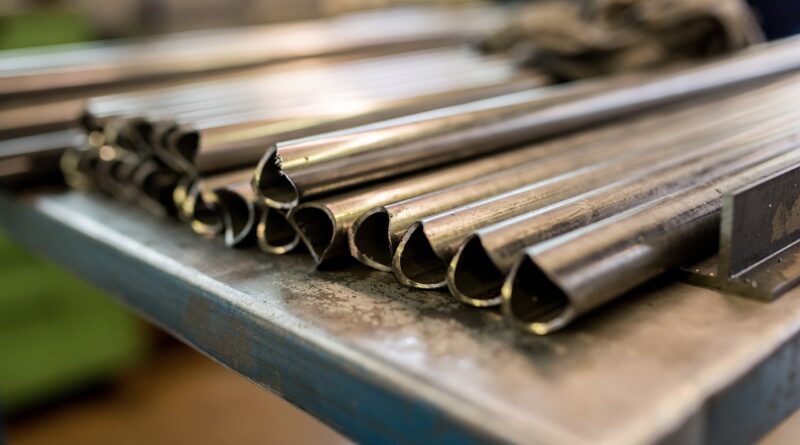
Pipe cutting methods for accurate fabrication and safer fit-up
Why pipe cutting quality matters before the weld or assembly
Pipe cutting is more than separating stock to length. In manufacturing, maintenance, construction, and skid fabrication, the cut influences how easily a pipe can be squared, beveled, welded, threaded, flanged, grooved, or sealed. A fast cut that leaves heavy burr, heat-affected material, ovality, slag, or an inconsistent bevel often shifts the real cost downstream into grinding, rework, misalignment, leaks, and poor fit-up.
The right pipe cutting method depends on material, outside diameter, wall thickness, tolerance, end-preparation requirements, work location, safety controls, and production volume. For a small batch, a portable cold cutter or band saw may be more practical than a high-output automated cell. For repeat production, CNC sawing, laser tube cutting, or orbital cutting can reduce variation and handling. In most shops, the best choice is the method that produces the required end condition with the least total rework, not simply the tool with the highest cutting speed.
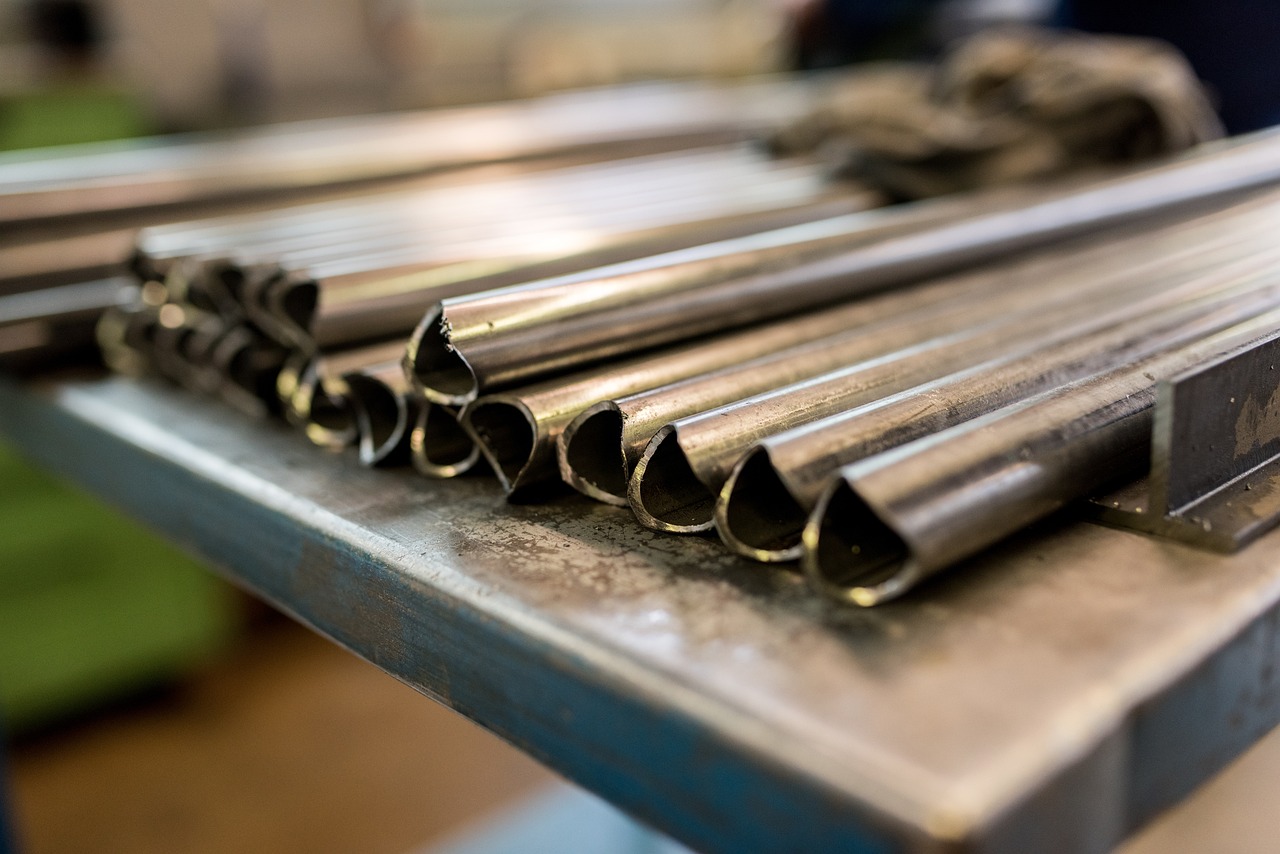
This guide focuses on practical process selection for metal pipe and tube applications. For more machining and fabrication topics, see the Cutting & Tooling section.
Common pipe cutting methods and where they fit
Most shops use more than one pipe cutting method because no single process is ideal for every material, diameter, wall thickness, and tolerance. The comparison below summarizes how common methods typically perform in fabrication and maintenance environments.
| Method | Typical strengths | Common limitations | Best-fit applications |
|---|---|---|---|
| Band sawing | Square cuts, good control, relatively low heat, suitable for many alloys | Slower on very large sections; blade selection and clamping are critical | Cut-to-length work, bundles, structural pipe, general fabrication |
| Circular cold sawing | Clean edges, accurate length control, good repeatability | Capacity limits; tooling cost rises with hard or thick materials | Production cutting of small to medium pipe and tube |
| Abrasive cutting | Portable, inexpensive equipment, fast setup | Burr, sparks, heat, wheel wear, and lower cut-face quality | Jobsite cutting, rough cuts, repair work where finishing is expected |
| Oxy-fuel cutting | Effective for carbon steel and thick wall sections | Not suitable for stainless steel or aluminum; produces heat and slag | Heavy carbon steel pipe, demolition, field fabrication |
| Plasma cutting | Fast on conductive metals, useful for profiles and copes | Kerf taper, dross, heat input, and edge cleanup may be concerns | Carbon steel, stainless steel, aluminum, saddle cuts, plate-to-pipe work |
| Laser tube cutting | High precision, complex features, automation potential | Higher capital cost; limited by machine capacity and material condition | Repeat production, holes, slots, miters, light to medium wall tube |
| Waterjet cutting | No thermal heat-affected zone, good material flexibility | Slower than thermal processes; abrasive management and fixturing matter | Heat-sensitive materials, precise profiles, specialty alloys |
| Orbital pipe cutting | Square, repeatable cuts around the circumference; portable options exist | Setup and clamping time; machine range must match pipe size | Process piping, sanitary tubing, high-purity lines, weld-prep work |
How to choose a pipe cutting process
Process selection should begin with the finished requirement, not the tool already on the floor. A maintenance team may only need a safe field cut that can be dressed by grinding. A weld shop may need a square cut followed by a specified bevel angle, root face, and land. A production cell may need repeatable length control over hundreds of pieces, with traceability and minimal operator adjustment.
Material and wall thickness
Carbon steel, stainless steel, aluminum, copper alloys, duplex stainless, and coated pipe respond differently to cutting. Oxy-fuel cutting is widely associated with carbon steel because it relies on an oxidation reaction, but that same principle makes it unsuitable for many nonferrous and corrosion-resistant alloys. Plasma, laser, saw cutting, and waterjet provide broader material flexibility, although each process has limits related to thickness, reflectivity, thermal conductivity, and surface condition.
Wall thickness also changes the decision. Thin-wall tube can distort under aggressive clamping or excessive feed pressure. Heavy-wall pipe demands power, blade stiffness, torch capacity, and stable workholding. If the cut must support a pressure weld, cut-face and bevel quality usually matter more than the speed of separation.
Diameter, ovality, and workholding
Pipe is often less convenient to hold than bar or plate because it is hollow, round, and sometimes not perfectly round. Large-diameter pipe may require roller stands, chain clamps, saddle fixtures, or rotating positioners. Thin-wall tube may need soft jaws, internal support, or controlled clamping force to avoid deformation. Poor support can cause the cut to wander, the blade to pinch, or the pipe to drop unexpectedly at breakthrough.
For long pipe, the support system is part of the cutting process. Infeed and outfeed stands should keep the pipe level with the machine bed, and the drop piece should be controlled before the cut is completed. Proper support reduces binding, improves cut squareness, and helps protect the operator from sudden movement.
Tolerance and end condition
Length tolerance, squareness, bevel geometry, burr limits, and surface cleanliness should be defined before production starts. A rough thermal cut may be acceptable if machining or heavy grinding follows. A sanitary tube line, hydraulic line, or orbital welding application may require a square, burr-controlled, contamination-conscious cut from the beginning.
When the finished joint requires welding, the pipe cutting process should match the welding procedure and inspection requirement. Excessive slag, laminations, gouges, hard heat-affected edges, or inconsistent bevels can affect fit-up and may increase inspection, repair, or rework.
Accuracy, burr control, and weld preparation
Cut quality is usually judged by what happens after the pipe leaves the cutting station. A clean-looking cut may still be out of square. A fast cut may leave an internal burr that restricts flow, traps debris, or interferes with assembly. A dimensionally correct cut may still carry heat tint, oxide, or contamination that must be removed before welding or service.
Squareness and length control
For straight cuts, squareness is affected by blade condition, feed rate, guide alignment, clamp condition, torch motion, and pipe support. In sawing, a worn or incorrectly selected blade can drift through the wall and leave a tapered face. In manual torch work, operator angle and travel speed can create uneven edges. In orbital cutting, correct machine setup and matching the tool range to the pipe diameter help keep the cut plane consistent.
Length control depends on both measurement and repeatability. Stops, encoders, CNC programs, and verified first-article checks reduce variation. For production work, the cut list should state whether dimensions are raw cut lengths, finished lengths after facing, or weld-prep lengths after beveling. Confusing those stages is a common source of scrap.
Burrs, dross, and internal cleanliness
Burrs from mechanical cutting and dross from thermal cutting are more than cosmetic defects. Internal burrs can break loose, reduce flow area, damage seals, or interfere with insertion depth in fittings. Dross and oxide can increase grinding time and may create inconsistent weld preparation.
Deburring should be specified as part of the operation rather than treated as an afterthought. Options include hand deburring, chamfering tools, internal reamers, abrasive finishing, brushing, facing machines, and secondary machining. For stainless, high-purity, or corrosion-sensitive service, tools and abrasives should be selected to avoid cross-contamination.
Beveling and end preparation
Many pipe cuts are only the first step toward a weld-ready end. Depending on the joint design, the pipe may need a bevel, land, internal counterbore, facing pass, or cleaning operation. Portable pipe beveling machines, stationary end-prep machines, and CNC cutting systems can combine cutting and beveling, but the result still needs verification against the required joint detail. See also: CNC Machining.
For critical work, shops should avoid assuming that a cutting machine automatically produces an acceptable weld prep. Operators should check bevel angle, root face, high-low fit-up, and surface condition using the inspection tools appropriate for the job.
Safety and compliance considerations
Pipe cutting brings together several hazards: rotating blades, abrasive wheels, sparks, hot metal, fumes, noise, pinch points, stored energy in supported pipe, and manual handling. The correct controls depend on the process and workplace, but safety should be built into method selection rather than added after production starts.
In U.S. workplaces, OSHA standards for abrasive wheels, portable powered tools, machine guarding, and welding, cutting, and brazing are important references. OSHA provisions such as 29 CFR 1910.215 and 1926.303 address abrasive wheel machinery and tools, while 29 CFR 1910 Subpart Q addresses welding, cutting, and brazing. These references reinforce practical controls such as guarding, wheel compatibility, safe mounting, operator protection, and hot-work precautions.
Fire prevention deserves special attention when sparks, flames, or hot slag are present. NFPA 51B is a commonly used reference for fire prevention during welding, cutting, and other hot work. In practice, shops should control combustibles, evaluate nearby coatings or residues, provide a suitable fire watch when required, and confirm whether a hot-work permit system applies.
Cutting fluids and coolants also need management. NIOSH has long identified metalworking fluid aerosols and contaminants as occupational exposure concerns in machining and grinding environments. For pipe cutting operations that use coolant, good ventilation, mist control, fluid maintenance, splash control, and skin protection help reduce exposure and keep the work area cleaner.
- Confirm that blades, wheels, torches, gases, and consumables match the material and machine rating.
- Keep guards in place and do not modify tools to accept oversized wheels or incompatible accessories.
- Support both the stock and drop piece before the cut starts.
- Control sparks, slag, fumes, and hot surfaces before work begins, not after ignition sources are present.
- Use eye, face, hearing, hand, and respiratory protection based on the process hazard assessment.
- Lock out or isolate equipment before blade changes, wheel changes, jam clearing, or maintenance.
Process planning checklist for better pipe cutting results
A simple checklist can prevent many avoidable cutting problems. It also helps estimators, supervisors, and operators use the same quality language before the job reaches the machine.
- Define the finished end. State whether the cut must be square, beveled, faced, deburred, cleaned, or ready for welding.
- Identify the material. Include grade, coating, heat treatment, and any contamination limits.
- Confirm dimensions. Record outside diameter, nominal pipe size, schedule or wall thickness, cut length, and tolerance.
- Select the process. Match cutting speed, heat input, edge quality, and capacity to the actual requirement.
- Plan workholding. Support long stock, prevent roll-off, and secure the drop piece.
- Choose consumables. Match saw blades, abrasive wheels, plasma consumables, gases, or inserts to the material and thickness.
- Set inspection points. Check the first piece for length, squareness, burr, bevel, and surface condition before running the batch.
- Manage safety controls. Address guarding, PPE, ventilation, fire prevention, coolant, and material handling.
- Document rework rules. Clarify when grinding, facing, or recutting is allowed and when the part must be scrapped.
For repeat jobs, the checklist should become a controlled setup record. Feed settings, blade type, clamp method, coolant condition, cut time, and inspection results can all become useful data for reducing scrap and improving quoting accuracy.
Frequently asked questions
What is the cleanest way to cut pipe?
The cleanest method depends on the pipe material and the required end condition. For many metal fabrication jobs, cold sawing, band sawing with the correct blade, orbital cutting, or laser tube cutting can produce cleaner edges than rough abrasive or manual thermal cutting. If the pipe is heat-sensitive or requires minimal thermal effect, waterjet may be considered, although it is not always the fastest or most economical choice.
Is pipe cutting the same as tube cutting?
The processes overlap, but terminology and tolerances can differ. Pipe is commonly specified by nominal pipe size and schedule, while tube is often specified by actual outside diameter and wall thickness. Tube applications may place more emphasis on cosmetic finish, tight length tolerance, and complex features. Pipe work often focuses on pressure joints, weld prep, field fit-up, and service conditions.
When should abrasive cutting be avoided?
Abrasive cutting may be a poor choice when the job requires a very square end, low burr, minimal heat discoloration, tight repeatability, or high internal cleanliness. It can still be useful for field work and rough cuts, but wheel condition, guarding, sparks, and finishing time must be considered.
How can a shop reduce rework after pipe cutting?
Rework usually falls when the shop defines the finished end condition, supports the pipe properly, selects the correct consumable, verifies the first piece, and treats deburring or beveling as part of the planned process. Measuring only the length is not enough; squareness, burr, dross, bevel geometry, and cleanliness should also be checked when they affect the next operation.
Does every pipe cut need a bevel?
No. A bevel is only needed when the joint design, welding procedure, fitting requirement, or assembly method calls for it. Some pipe is cut square for mechanical couplings, threading, grooving, facing, or further machining. Welded pressure piping often needs a defined bevel and root face, but the exact preparation should come from the applicable drawing, procedure, or project specification.
The practical takeaway
Effective pipe cutting is a process decision, not just a tool decision. The most economical method is the one that delivers the required length, squareness, cleanliness, bevel, and safety performance with the least total handling and rework. Shops that compare cutting methods only by speed often miss the hidden cost of burr removal, grinding, poor fit-up, rejected welds, and unsafe workarounds.
For general fabrication, band saws and cold saws remain strong choices where square, repeatable cuts matter. Abrasive and thermal cutting retain value for field flexibility and heavy work, provided finishing and safety controls are planned. Automated laser, plasma, waterjet, and orbital systems become more attractive when repeatability, complex features, documentation, or reduced manual finishing justify the investment.