
Could A Cutting Torch Really Spark a Fire Like the Omaha Incident Monday
Omaha Firefighters Say a Cutting Torch Sparked a Fire Monday
A recent incident in Omaha highlighted how a single spark from a cutting torch can escalate into a large-scale fire if controls fail. Fire investigators concluded that sparks from hot work ignited nearby combustible materials during maintenance activity. This event reinforces the critical importance of strict fire safety protocols in industrial operations where open flames are used. The discussion below explores the function of cutting torches, their applications, related fire hazards, and modern safety practices designed to prevent similar events.
The Role of Cutting Torches in Industrial Operations
Cutting torches are indispensable tools across heavy industries, yet their use demands precision and awareness. Before examining specific risks, it’s essential to understand how these devices function and why they remain central to metalworking and demolition tasks.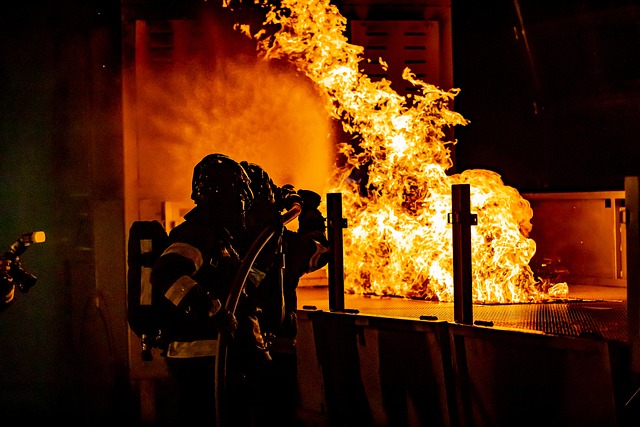
The Function and Mechanism of a Cutting Torch
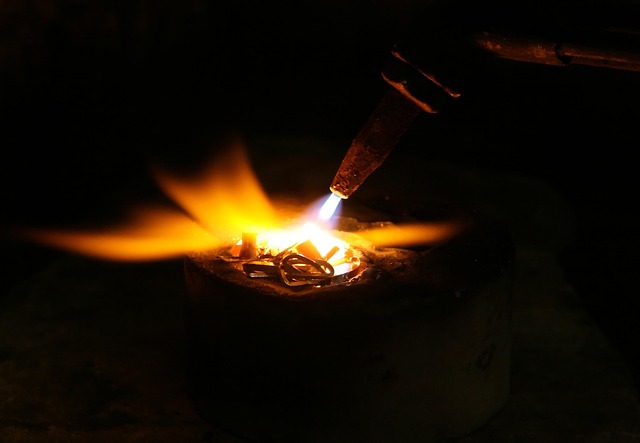
A cutting torch operates by mixing fuel gas with oxygen to produce an intensely hot flame capable of melting ferrous metals. The process depends on controlled combustion: the flame heats the metal until it reaches its ignition temperature, while a focused oxygen jet oxidizes and expels molten material to form a clean cut edge. Typical fuel gases include acetylene, propane, and natural gas. Each offers different flame temperatures and energy densities—acetylene producing the hottest flame around 3,200°C, making it ideal for rapid piercing of thick steel plates.
The precision of this system relies on balanced gas flow and correct nozzle selection. Improper adjustment can cause backfires or incomplete combustion, both of which increase risk during operation.
Typical Industrial Applications of Cutting Torches
Cutting torches are widely used in fabrication shops, shipyards, construction sites, and salvage yards. They assist in dismantling heavy steel frames, trimming structural beams, or removing corroded components from machinery. In demolition projects, operators use them to segment metal parts before mechanical removal. In manufacturing plants, torches often support maintenance teams performing on-site repairs where mechanical cutting tools cannot reach.
These operations typically occur under controlled conditions with designated hot work zones. Because sparks can scatter several meters from the source, environmental control—such as spark containment curtains or water barriers—is vital for safe execution.
Fire Risks Associated with Cutting Torch Operations
Despite their utility, cutting torches introduce significant fire hazards if safeguards lapse. Understanding how heat transfer occurs during torch use helps explain why incidents like the Omaha fire can happen even under apparently routine conditions.
How Sparks and Heat Can Ignite Surrounding Materials
Sparks generated by oxy-fuel cutting can exceed 1,000°C—hot enough to ignite most organic materials instantly. When these particles land on oily rags, insulation foam, or wood debris, ignition may occur within seconds. Radiant heat from prolonged torch use can also raise surface temperatures of nearby objects beyond safe limits. Even when direct flame contact is absent, conduction through metal structures may transmit heat into concealed voids behind walls or panels where flammable dust accumulates.
Molten slag expelled during cutting travels several feet before cooling; if it lands in confined spaces containing combustible residues, smoldering ignition may begin unnoticed until flames emerge later.
Environmental Factors That Increase Fire Risk
Workplace environment strongly influences fire potential. Dust accumulation on overhead beams or grease buildup near machinery amplifies susceptibility to ignition because these fine particles burn rapidly once heated. Poor ventilation traps hot gases and allows oxygen enrichment in confined areas—a condition that accelerates combustion once sparked. Outdoor jobs present another challenge: wind direction can carry sparks beyond protective screens into unmonitored zones such as storage areas or adjacent scaffolding platforms.
These variables explain why even experienced crews must constantly reassess surroundings during every phase of torch operation.
Safety Protocols for Preventing Torch-Induced Fires
Effective prevention begins long before striking the first arc. Comprehensive hazard assessments combined with disciplined operational procedures drastically reduce risk exposure during hot work activities involving a cutting torch.
Pre-operation Hazard Assessment Procedures
Before beginning any task involving open flames, operators should inspect the entire area for combustible materials within at least a 10-meter radius or as specified by facility guidelines. All flammable items—including solvents, paper products, or chemical containers—must be relocated outside this perimeter. Establishing a designated fire watch zone ensures continuous surveillance throughout the process.
Fire extinguishers rated for Class A and B fires should remain accessible at multiple points around the workspace. In some facilities governed by ISO 45001 occupational safety standards or NFPA 51B (Standard for Fire Prevention During Welding), pre-work permits must verify that suppression systems are functional before authorization is granted.
Protective Measures During Torch Use
After preparation comes active protection—the set of physical controls that contain sparks and shield vulnerable surfaces.
Shielding and Containment Strategies
Operators commonly deploy spark-resistant curtains made from fiberglass or treated canvas around the cutting zone to confine debris trajectories. For delicate surfaces such as painted panels or electrical conduits nearby, laying fire-resistant blankets provides additional insulation against radiant heat exposure. These simple barriers often make the difference between safe operation and unintended ignition.
Monitoring and Fire Watch Practices
Continuous observation remains critical even after cutting stops. Designated personnel trained in fire response must monitor for smoldering spots or delayed flare-ups caused by residual heat trapped under debris layers. Industry best practice recommends maintaining this watch for at least 30 minutes post-operation—longer if environmental conditions favor slow-burning materials like insulation fibers or rubber gaskets.
Lessons from the Omaha Incident Context
The Omaha event underscores how minor oversights can trigger large emergencies despite adherence to standard procedures on paper. Examining probable sequences provides valuable insight into systemic vulnerabilities common across industrial sites performing hot work.
Possible Sequence Leading to Ignition
Investigators suggested that while workers were using a cutting torch to remove metal fixtures, stray sparks passed through an opening toward stored combustibles not adequately shielded by curtains or blankets. These sparks likely ignited residues accumulated behind structural elements where airflow was limited. Because smoldering combustion produces little visible smoke initially, detection lagged until flames became visible minutes later—by then spreading rapidly through available fuel sources.
Implications for Industrial Safety Standards
Such incidents highlight gaps not only in local supervision but also in broader compliance frameworks governing hot work permits and operator training programs. Many organizations now review their internal standards against benchmarks issued by OSHA’s Hot Work Safety Guidelines and NFPA codes to strengthen accountability chains between supervisors and contractors performing temporary welding or cutting tasks.
Continuous education remains equally important: refresher sessions on hazard recognition help experienced technicians stay alert against complacency that often develops after years without accidents.
Evaluating Alternative Cutting Technologies for Risk Reduction
While traditional oxy-fuel systems remain widespread due to versatility and cost-effectiveness, emerging technologies offer safer alternatives particularly suited for environments sensitive to open flames.
Comparison Between Oxy-Fuel and Cold-Cutting Methods
Cold-cutting equipment employs mechanical blades or high-pressure hydraulic systems instead of combustion flames to separate metals. This eliminates direct ignition sources entirely—a major advantage when working near volatile chemicals or pressurized lines where even minimal spark risk is unacceptable. Though slower than oxy-fuel processes on thick steel sections, cold-cutting yields precise results with negligible thermal distortion.
Hybrid methods combining abrasive water jets with robotic manipulators are gaining traction in oil refineries where conventional torches are restricted due to explosion hazards defined under IECEx standards for explosive atmospheres.
Integration of Modern Safety Systems in Hot Work Environments
Technological innovation continues improving traditional setups too. Facilities increasingly deploy real-time thermal imaging cameras that monitor temperature gradients across work zones; when readings exceed predefined thresholds, alarms prompt immediate shutdowns before ignition occurs. Some advanced workshops integrate automatic suppression modules linked to spark detection sensors capable of releasing inert gas within milliseconds once infrared signatures match preset patterns—a measure proven effective in preventing escalation during early-stage incidents.
FAQ
Q1: What type of fuel gas produces the hottest flame in a cutting torch?
A: Acetylene generates the highest flame temperature among common gases used for oxy-fuel cutting—around 3,200°C—which allows faster penetration through thick steel compared with propane or natural gas.
Q2: Why is post-operation monitoring necessary after using a torch?
A: Residual heat can linger within structural cavities or under debris; maintaining observation ensures any delayed ignition is detected early before it develops into open flame conditions.
Q3: How far can sparks travel during metal cutting?
A: Depending on pressure settings and angle of operation, molten particles may travel over six meters from the source—hence safety perimeters typically extend beyond immediate workspace boundaries.
Q4: What standards regulate safe hot work practices?
A: OSHA’s Hot Work Safety Guidelines along with NFPA 51B outline requirements covering permit issuance, equipment inspection, ventilation control, and mandatory fire watch duties during all welding or cutting activities.
Q5: When should cold-cutting methods replace oxy-fuel techniques?
A: Cold-cutting is preferred near flammable liquids or gases where open flames pose unacceptable risks; it also suits confined spaces lacking adequate ventilation for combustion-based tools like traditional cutting torches.