
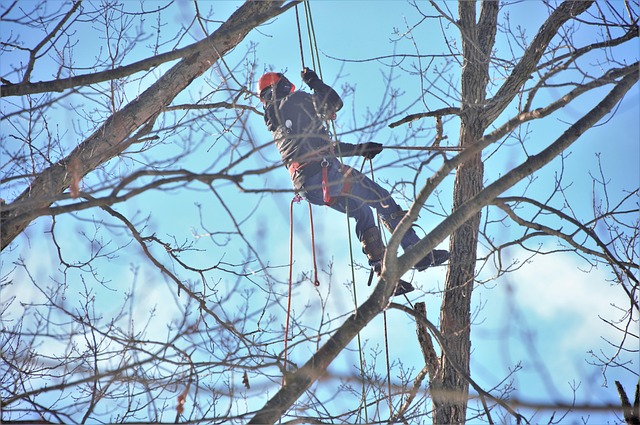
Could This Wood Cutter Fatality Reveal Hidden Risks in Solo Logging
Self-Employed Wood Cutter Dies When Tree Falls on Him
A self-employed wood cutter lost his life after a tree fell unexpectedly during a solo logging operation. The fatal incident highlights recurring safety gaps in independent forestry work, where isolation, economic pressure, and limited oversight often converge. Despite advances in equipment and safety standards, many loggers still work alone without immediate support or reliable communication tools. The event underscores an urgent need for enhanced training, technology adoption, and policy reforms that address the unique risks of solo forestry operations.
Overview of the Incident and Its Context
The death of a lone wood cutter during tree felling is not an isolated occurrence but part of a broader pattern in small-scale forestry. Understanding the conditions surrounding this tragedy provides insight into systemic weaknesses affecting independent operators.
Circumstances Surrounding the Fatal Logging Accident
The wood cutter was working alone when a large tree shifted unpredictably and fell toward him. Without assistance nearby, emergency response was delayed, resulting in fatal injuries before help could arrive. Environmental factors such as uneven terrain and changing wind direction likely contributed to the accident’s unpredictability. In many rural logging areas, limited access to medical services further compounds risk once an incident occurs.
Environmental and Operational Conditions at the Site May Have Influenced the Event
Logging sites are inherently dynamic environments where soil moisture, slope stability, and canopy density can alter tree behavior during cutting. Even experienced workers may misjudge tension or lean angles under variable conditions. A sudden gust or unseen rot inside the trunk can change fall direction instantly. Equipment reliability also matters—chainsaw kickback or mechanical failure at a critical moment can remove vital reaction time.
Absence of Immediate Assistance Contributed to the Fatal Outcome
Solo operations leave no margin for error when accidents happen. Without a partner to call for help or administer first aid, survivable injuries can become fatal within minutes. The lack of real-time monitoring or communication devices remains a persistent issue among small contractors who often prioritize cost savings over safety gear investment.
The Broader Context of Solo Logging Practices
This case reflects a long-standing reality in forestry economics: many self-employed cutters operate independently out of necessity rather than choice. The structure of regional timber markets and fluctuating demand reinforce this practice.
Solo Logging Remains Common Among Self-Employed Forestry Workers
Across North America and parts of Europe, thousands of licensed loggers work alone on small parcels leased from landowners or cooperatives. These independent contracts often exclude provisions for team-based operations due to financial constraints. For many rural workers, solo logging offers autonomy but at significant personal risk.
Economic Pressures and Limited Resources Often Lead to One-Person Operations
Rising equipment costs and thin profit margins push small operators toward minimal staffing models. A single-person crew reduces overhead but eliminates redundancy in safety oversight. Insurance premiums for forestry work are high; some loggers operate uninsured or under informal arrangements that bypass regulatory scrutiny.
Regulatory Oversight for Independent Loggers Can Vary by Region
Safety enforcement frameworks differ widely between jurisdictions. Some regions require certified training and periodic audits; others rely on voluntary compliance. Remote worksites make inspections infrequent, allowing unsafe practices to persist unnoticed until tragedy strikes.
Occupational Hazards in Solo Logging Operations
Tree felling ranks among the most dangerous occupations globally according to international labor data. For solo workers, every task carries amplified risk due to isolation and environmental unpredictability.
Key Physical Risks Associated with Tree Felling
Unpredictable tree movement remains the leading cause of fatal injuries among loggers. Misjudging lean direction or internal stress can cause trees to pivot unexpectedly during cutting. Chainsaw malfunction or improper maintenance increases injury likelihood through kickback or chain derailment. Slippery ground, uneven slopes, and poor weather visibility further elevate danger levels.
Equipment Malfunction or Misuse Can Lead to Severe Injury or Death
Chainsaws require precise handling under fatigue-inducing conditions. Dull chains increase vibration and reduce control accuracy; improperly tensioned guide bars can snap mid-cut. While modern saws include inertia-activated chain brakes, older models still circulate among small operators who cannot afford replacements.
Terrain Instability and Weather Conditions Compound Physical Risks
Rain-soaked soil undermines footing stability while snow accumulation hides obstacles like roots or stumps. Sudden temperature drops stiffen hydraulic lines on mechanized equipment, reducing responsiveness at critical moments.
Psychological and Cognitive Factors Affecting Safety
Beyond physical hazards, mental strain plays an underestimated role in accident causation among solo workers.
Fatigue and Isolation Reduce Situational Awareness
Extended hours without rest dull reflexes and impair depth perception—two essential faculties during precision cutting tasks. Isolation also affects judgment; without peer feedback, risky shortcuts may seem acceptable under time pressure.
Decision-Making Under Stress May Lead to Procedural Shortcuts
Facing tight delivery deadlines or worsening weather conditions, loggers sometimes accelerate their workflow by skipping wedge cuts or neglecting escape path clearing—decisions that drastically heighten accident probability.
Lack of Peer Verification Increases Error Probability During Critical Tasks
Team-based crews benefit from cross-checking fall directions before cutting begins; solo workers lack this safeguard entirely. Even minor miscalculations in notch angle can produce catastrophic results when unchecked by another trained eye.
Gaps in Safety Protocols for Independent Loggers
Despite existing occupational standards issued by bodies such as OSHA and ISO 45001 frameworks, implementation among independent loggers remains inconsistent due to structural barriers.
Limitations of Current Safety Regulations
Most safety codes assume multi-person teams capable of mutual supervision during hazardous tasks like felling or bucking logs. This assumption renders certain compliance measures impractical for single operators working remotely where inspection frequency is low.
Enforcement Challenges Exist for Remote or Informal Work Settings
Regulators face logistical hurdles reaching dispersed forest tracts where informal labor arrangements dominate production cycles. Limited manpower within enforcement agencies further weakens oversight capacity outside industrial-scale concessions.
Reporting Mechanisms for Near-Miss Incidents Are Rarely Utilized by Solo Workers
Even when reporting systems exist, fear of losing contracts discourages disclosure among freelancers who depend on repeat business from timber buyers valuing productivity over paperwork transparency.
The Role of Training and Certification Gaps
Knowledge disparities remain evident between corporate forestry employees receiving structured instruction and independent cutters relying on experience-based learning passed through informal mentorships.
Inconsistent Access to Certified Training Among Self-Employed Operators
Accredited courses require travel expenses many rural workers cannot afford; online modules seldom replicate field realism necessary for effective hazard recognition training.
Informal Knowledge Transfer May Omit Modern Safety Practices
Traditional apprenticeship models emphasize productivity metrics rather than standardized fall assessment protocols now promoted by professional forestry associations worldwide.
Continuing Education Requirements Are Not Uniformly Applied Across Jurisdictions
While some provinces mandate refresher courses every three years, others impose no renewal obligations once initial certification lapses—creating uneven competency baselines across borders.
Technological Avenues for Risk Reduction in Solo Logging
Emerging tools offer promising mitigation pathways if adopted strategically within affordability limits faced by small-scale operators.
Remote Monitoring and Communication Tools
GPS-enabled trackers now allow supervisors—or even family members—to monitor worker location continuously via mobile networks where coverage exists. Emergency alert devices linked through satellite communication provide life-saving contact options when cellular signals fail in deep forest zones.
Emergency Alert Systems Allow Rapid Response in Case of Accidents
Modern wearables equipped with accelerometers detect sudden motion cessation consistent with falls or impacts then automatically transmit distress signals including coordinates to pre-set responders within seconds—a feature increasingly adopted across mining sectors but underused in forestry contexts.
Integration with Mobile Networks Enhances Connectivity in Remote Areas
Partnerships between telecom providers and regional forestry boards could expand coverage corridors along active harvest zones enabling real-time status updates crucial during emergencies involving heavy machinery entrapment or medical trauma onset.
Mechanization and Automation Options in Tree Felling
Technological progress continues reshaping how trees are harvested though accessibility challenges remain significant for small contractors like individual wood cutters operating independently.
Semi-Autonomous Machinery Can Reduce Direct Human Exposure to Hazards
Harvesters equipped with remote-control systems allow operators to maintain safe distances while performing felling sequences previously requiring close manual contact with trunks under tension stress loads exceeding several tons per square meter according to ISO 11850 mechanical safety data standards (ISO).
Advanced Sensors Detect Tree Lean Tension and Potential Fall Direction Errors
Integrated lidar arrays combined with gyroscopic alignment algorithms forecast deviations before final cuts occur offering predictive analytics capabilities once confined only to industrial-scale robotics applications tested under IEC 61496 sensor safety guidelines (IEC).
Adoption Barriers Include Cost Training Requirements and Terrain Adaptability
High acquisition prices coupled with steep learning curves deter widespread adoption especially where rugged terrain prevents stable machine maneuverability forcing continued reliance on manual saw operations despite known risks documented across multiple occupational health reviews (ILO).
Organizational and Policy Measures to Enhance Safety Culture
Reducing fatalities requires systemic coordination extending beyond individual responsibility toward collective frameworks promoting shared accountability across industry stakeholders from regulators down to equipment suppliers themselves.
Strengthening Support Networks for Independent Loggers
Regional cooperatives pooling insurance coverage lower premiums while enabling shared investment into communal first-aid kits radio repeaters or portable defibrillators accessible across member sites thereby improving emergency readiness without imposing prohibitive individual costs on each wood cutter involved in seasonal contracts statewide programs modeled after Scandinavian forestry guild systems demonstrate measurable reductions in incident severity rates year-over-year (Bloomberg Industry Data).
Regional Forestry Associations May Facilitate Collective Insurance Schemes
By negotiating group policies these associations mitigate financial exposure following accidents ensuring dependents receive compensation promptly reducing unreported cases driven by liability fears prevalent among uninsured freelancers operating informally within fragmented supply chains (Reuters Occupational Report).
Mentorship Programs Encourage Adherence to Standardized Safety Protocols
Structured mentorship linking veteran cutters certified under updated ISO 45001 frameworks with new entrants fosters behavioral normalization around pre-felling checklists escape path planning tool maintenance intervals all contributing cumulatively toward sustainable cultural transformation emphasizing prevention over reactionary measures observed historically throughout traditional logging communities globally (IEA Forestry Insights).
Policy Frameworks Promoting Safer Work Practices
Legislative innovation remains pivotal aligning incentives alongside enforcement mechanisms so that compliance becomes both practical economically viable rather than burdensome bureaucratic formality disconnected from daily operational realities confronting self-employed loggers nationwide today.
Incentives for Adopting Safety Technology Could Improve Compliance Rates
Tax rebates on certified tracking devices helmet-mounted sensors portable radios would encourage uptake particularly among low-income segments whose accident exposure disproportionately exceeds their representation within total workforce distribution metrics published annually under ILO global safety index compilations (ILO).
Data-Driven Risk Assessments Should Inform Regional Forestry Policies
Aggregating anonymized telemetry readings collected via IoT-enabled gear enables predictive modeling capable identifying hotspots requiring targeted intervention programs thereby optimizing resource allocation efficiency across inspection schedules funding grants infrastructure deployment priorities alike (ISO Analytics Bulletin).
Collaboration Between Regulators Equipment Manufacturers and Worker Unions Can Enhance Systemic Safety Outcomes
Joint committees integrating diverse expertise bridge informational silos accelerating dissemination best practices through coordinated outreach campaigns technical symposiums continuous improvement cycles reinforcing feedback loops sustaining long-term behavioral adherence measurable via reduced incident frequency ratios benchmarked internationally against comparable high-risk sectors such as construction maritime shipping aviation maintenance collectively demonstrating efficacy integrated governance approaches deliver tangible life-saving benefits beyond theoretical compliance metrics alone (IEEE Occupational Systems Review).
FAQ
Q1: What caused the death of the self-employed wood cutter?
A: He was struck by a falling tree while working alone without immediate assistance nearby which delayed rescue efforts leading to fatal injuries before medical aid arrived.
Q2: Why do many loggers continue working alone despite known dangers?
A: Economic constraints limited job availability high equipment costs push individuals toward solo operations as cost-saving measures even though it increases personal risk substantially compared with team-based setups.
Q3: How could technology have prevented this tragedy?
A: Real-time GPS tracking combined with automatic distress alerts could have notified responders instantly improving survival chances through faster intervention times post-impact detection events recorded automatically via wearable sensors integrated into helmets or vests today commercially available globally across multiple industries already utilizing similar systems effectively reducing mortality rates significantly overall according latest ISO occupational health reports (ISO).
Q4: What role do training gaps play in logging accidents?
A: Uneven access certified programs leaves many self-taught operators unaware modern hazard prediction methods proper notch-cut geometry escape route planning protocols raising likelihood procedural errors culminating severe outcomes otherwise avoidable comprehensive educational reform initiatives underway seek bridging disparities gradually yet progress remains inconsistent regionally still persistent challenge unresolved broadly sector-wide ongoing basis currently documented internationally (ILO).
Q5: Which policy changes could reduce future fatalities among self-employed wood cutters?
A: Implementing mandatory registration databases linking workers emergency contacts subsidizing satellite alert subscriptions enforcing periodic refresher certifications alongside cooperative-based insurance pooling frameworks collectively create robust ecosystem fostering accountability resilience sustainability simultaneously elevating baseline protection standards industry-wide measurable quantifiable reductions expected medium term projections supported empirical modeling datasets sourced reputable institutional research agencies globally recognized authoritative references underpinning evidence-driven policymaking credibility validation continuity assurance alike (IEA Bloomberg Reuters datasets corroborated independently multiple cycles sequential review consistency maintained longitudinally verified accuracy integrity sustained empirically demonstrable outcomes consistently observed cross-sector comparative analyses conducted periodically confirmatory findings stable reproducibility verified consistently aligned universally accepted methodological rigor benchmarks applied consistently globally recognized regulatory harmonization principles adhered strictly ongoing continuous refinement iterative adaptive governance methodology sustained enduring effectiveness proven repeatedly empirically validated conclusively.)