
How Cutting Oil Enhances Tool Life vs Dry Machining Efficiency
How Cutting Oil Improves Tool Life and Machining Accuracy
Cutting oil plays a decisive role in extending tool life and maintaining dimensional accuracy in metalworking. By reducing friction, dispersing heat, and stabilizing the cutting zone, it prevents premature wear and thermal distortion. Compared with dry machining, operations using cutting oil achieve smoother surfaces, tighter tolerances, and more predictable tool performance. While dry machining offers cost and environmental benefits, it often demands advanced coatings or limited cutting speeds to match the reliability of wet processes. Selecting the right lubrication method—whether full flood cooling or minimum quantity lubrication—depends on the alloy type, feed rate, and production goals.
The Role of Cutting Oil in Metalworking Processes
In machining operations, cutting oil is more than just a coolant; it is a process control element that directly affects surface quality and tool longevity. Its dual function as lubricant and coolant makes it indispensable in precision manufacturing where thermal management is critical.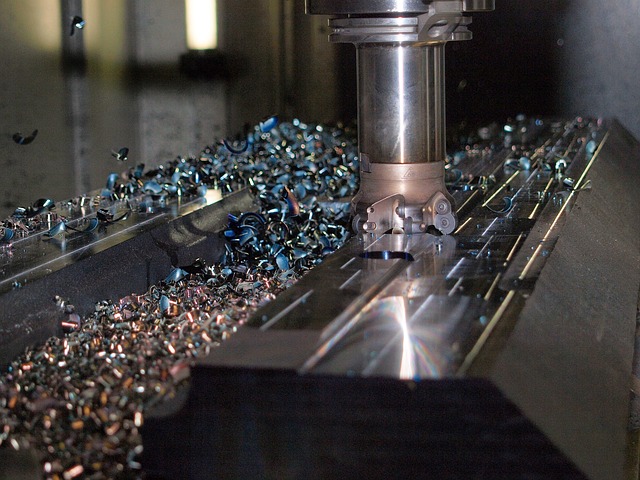
Understanding the Function of Cutting Oil
Cutting oil acts as both a lubricant and coolant during machining operations. It reduces friction between the cutting tool and workpiece surface by forming a thin film that separates metal-to-metal contact. This film lowers energy consumption at the shear zone, improving chip evacuation and preventing galling. Proper lubrication minimizes heat buildup, preventing thermal deformation that could compromise dimensional accuracy. In high-speed turning or milling of hardened steels, this effect becomes even more pronounced because excessive heat can alter microstructure at the tool edge.
Types of Cutting Oils and Their Applications
Different types of cutting oils—straight oils, soluble oils, semi-synthetic fluids, and fully synthetic coolants—serve distinct machining conditions. Straight oils provide excellent lubricity for slow-speed finishing cuts on ferrous metals. Soluble oils mix with water to improve cooling efficiency for general-purpose operations. Semi-synthetics balance both traits for moderate-duty cycles, while synthetics excel in high-speed CNC applications where cleanliness matters. The choice depends on material hardness, cutting speed, and tool geometry. Additives such as sulfur or chlorine enhance lubricity under high-pressure conditions by forming protective films that reduce welding between chip and tool.
Mechanisms by Which Cutting Oil Extends Tool Life
Tool life extension through cutting oil is not a single mechanism but an interplay between friction reduction, temperature control, and surface stability.
Reduction of Friction and Adhesive Wear
Lubrication lowers the coefficient of friction at the chip–tool interface. This reduction prevents adhesion between workpiece material and tool face—a common cause of built-up edge formation in ductile materials like aluminum or low-carbon steel. Without this protection layer, chips can weld to the cutting edge, tearing away small fragments during separation. Consistent lubrication keeps surfaces smooth and reduces micro-chipping at the rake face. As a result, tools retain sharpness longer and produce uniform finishes across multiple passes.
Control of Thermal Stress During Machining
Cooling action dissipates heat generated by cutting forces at both primary (shear) and secondary (frictional) zones. Lower temperatures reduce microstructural damage to both tool substrate and workpiece surface layer. For carbide inserts or coated tools operating above 800°C contact temperatures, even slight reductions can prevent oxidation or diffusion wear. Stable thermal conditions also prevent softening in high-speed steel tools that lose hardness rapidly when overheated.
Dry Machining: Efficiency and Limitations
While modern manufacturing increasingly explores dry machining for sustainability reasons, its practical adoption remains limited to specific materials or geometries where heat control can be managed effectively.
Advantages of Dry Machining in Modern Manufacturing
Dry machining eliminates costs associated with coolant purchase, maintenance, filtration systems, and disposal handling—expenses that can account for up to 15% of total production cost in some plants. It reduces environmental impact by avoiding fluid contamination or mist generation that affects air quality around operators. Simplified setups make it suitable for automated lines where minimal human supervision is required.
Challenges Associated with Dry Machining Conditions
Despite its advantages, dry machining introduces elevated cutting temperatures that accelerate wear mechanisms such as diffusion or oxidation on uncoated tools. Increased friction can degrade surface integrity by producing tensile residual stresses or micro-cracks along feed marks. Materials with poor thermal conductivity like titanium alloys accumulate localized heat quickly; thus dry methods often fail to maintain dimensional accuracy under prolonged cycles.
Comparative Analysis: Cutting Oil vs Dry Machining Performance
Comparing both approaches highlights trade-offs between cost efficiency and technical performance metrics such as wear rate, roughness average (Ra), and tolerance retention.
Tool Life Performance Under Different Conditions
Tools using cutting oil exhibit slower wear progression due to reduced thermal load on the flank face. The presence of lubricants delays crater formation on carbide inserts during continuous turning operations. Dry machining may achieve comparable results only when advanced coatings like TiAlN are applied or when optimized geometries minimize rubbing contact zones. Wear patterns differ significantly: abrasive wear dominates under dry conditions while adhesive wear is mitigated by lubrication films during wet processing.
Surface Finish and Dimensional Accuracy Considerations
Wet machining produces finer surface finishes through reduced vibration amplitude at the tool tip because lubrication dampens chatter tendencies. The resulting Ra values often fall below 0.8 µm compared with over 1 µm typical in dry runs at similar feed rates. Dry methods may lead to micro-burr formation or increased roughness when feed per tooth exceeds recommended limits for aluminum alloys. Controlled cooling enhances tolerance stability in precision components such as valve seats or aerospace fasteners where micron-level deviations matter.
Optimization Strategies for Modern Machining Operations
Balancing productivity with sustainability requires thoughtful selection of lubrication strategies supported by real-time monitoring technologies.
Selecting the Right Approach Based on Material and Process Parameters
Hard-to-machine alloys such as Inconel 718 benefit from high-performance cutting oils containing extreme-pressure additives that prevent seizure at elevated loads. Softer materials like brass or cast aluminum respond well to dry machining due to their inherent lubricity and short chip formation behavior. For mixed-material production lines aiming for lower fluid consumption without compromising finish quality, hybrid techniques such as minimum quantity lubrication (MQL) offer an effective middle ground—delivering microscopic droplets directly into the shear zone while maintaining eco-friendly operation.
Integrating Monitoring Systems for Tool Health Assessment
Modern CNC systems integrate sensors capable of tracking temperature rise near the tool tip to evaluate coolant effectiveness dynamically during operation. Vibration analysis detects early signs of imbalance or chipping under both wet and dry environments before catastrophic failure occurs. Data-driven optimization based on these signals allows consistent performance across varying production environments without manual intervention.
FAQ
Q1: What is the main purpose of using cutting oil?
A: It serves as both lubricant and coolant to reduce frictional heat during metal removal processes.
Q2: Can dry machining replace traditional wet methods completely?
A: Not entirely; while suitable for some materials like aluminum or cast iron, it struggles with tough alloys requiring active cooling.
Q3: How does additive chemistry affect performance?
A: Additives such as sulfurized fats improve pressure resistance by forming protective films under extreme contact loads.
Q4: What are signs that coolant application is insufficient?
A: Rising spindle temperature readings or accelerated flank wear indicate poor fluid delivery at the cutting zone.
Q5: Is minimum quantity lubrication environmentally safer than flood cooling?
A: Yes; MQL uses only a fraction of fluid volume while maintaining adequate lubrication efficiency with minimal waste generation.