

What Makes Electroplating Plastic Parts a Game Changer in Surface Engineering
The Strategic Role of Electroplating in Plastic Component Engineering
Electroplating plastic has changed the way industries mix lightweight polymers with metal finishes. You can see it in car interiors, phone casings, or aerospace panels. These spots need both strength and good looks. This method links design freedom to real-world performance. It gives plastics a bright shine, electrical conductivity, and lasting toughness that metals used to have all to themselves.
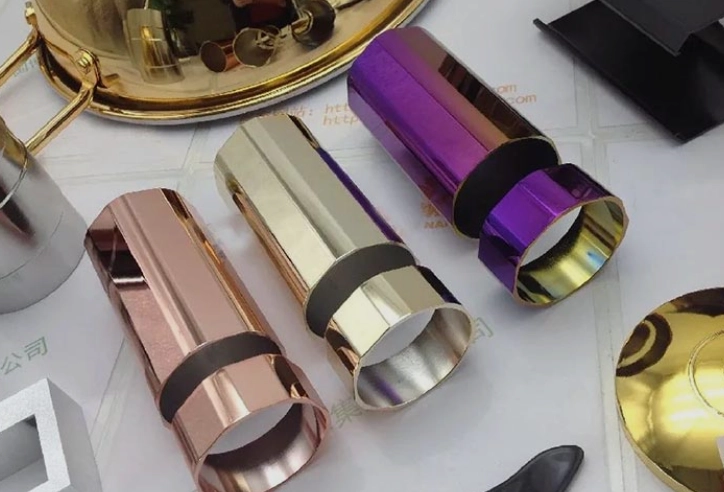
The Evolution of Electroplating on Non-Conductive Substrates
Back in the early times, plastics stayed stuck as simple decorative or low-pressure pieces. They just didn’t conduct electricity well or handle heat. But industries wanted lighter stuff to swap out heavy metal parts. So, electroplating stepped up as a main helper. The move from metal bases to plastic ones came from saving money and cutting weight. That was huge for car fuel savings and shrinking electronics.
Things got better over the years with new ways to prep surfaces. Chemical etching and adding catalytic seeds let engineers put metal on tough plastics like ABS and PC/ABS mixes. These changes meant non-conductive materials could get even metal layers that stick tight. They hold up under pressure or heat changes too. For instance, in a busy factory line, I’ve heard workers say how these tweaks cut down on rejects by half, making production smoother.
Why Electroplating Plastic Has Become a Technological Milestone
Electroplating plastic joins the tough side of metals with the bendy design perks of polymers. When you add a layer of nickel, copper, or chromium to a polymer base, it picks up extra hardness. It fights off rust better and gets a shiny finish that matches old-school metal pieces. The process boosts wear resistance as well. Plus, it lets you fine-tune surface traits just right.
This mix of materials now supports uses in car grilles, smartphone shells, and plane cabin parts. In every spot, electroplated plastics hit high marks for looks while keeping weight low. Traditional metals struggle to do that combo. Think about a phone case that feels premium but weighs next to nothing— that’s the magic at work here.
Understanding the Pretreatment Process for Plastic Electroplating
Before metal sticks to a plastic surface, the prep work sets the stage for good or bad results. Each part—from cleaning to activation—decides how strong the plated layer bonds to the base.
Surface Preparation and Cleaning Techniques
Stuff like mold release agents or oils from handling must go away fully before metal goes on. Basic alkaline cleaners melt these bits. They also rough up the surface a bit for stronger grip. Then etching steps in to boost tiny bumps. This makes spots for metal layers to hook into later.
Various polymers act different in cleaning. ABS etches without much fuss thanks to its butadiene part. PC/ABS mixes need gentler handling. PEEK calls for exact heat control. That’s because of its tight structure and resistance to chemicals. In real shop settings, skipping this care can lead to uneven batches, which wastes time and cash.
Chemical Etching and Surface Activation Mechanisms
Chromic acid etching still gets used a lot for ABS bases. It picks on the butadiene spots on purpose. This forms small pits that help metal lock in mechanically. After that, a dip in stannous chloride adds starting points for reactions. Later, palladium chloride solutions kick those sites into gear.
But rules on the environment are changing things. Factories now turn to safer picks. Trivalent chromium setups or plasma activation give green options. They keep the same stickiness without the harm. One engineer I recall mentioned how switching cut their waste by 30%, which helped meet local regs without slowing down.
Electroless Plating as a Bridge to Electroplating
With the surface ready, the plastic gets a first coat of electroless nickel or copper. This makes it able to carry current. No outside power needed here. Instead, self-starting reactions build up metal evenly. They cover hidden spots too. The mix in the bath matters a ton—pH levels and steady heat keep things even.
How many catalyst spots you have counts too. Not enough leads to spotty spots. Too many might make the layer weak or prone to flake off in later steps. In practice, tweaking this can mean the difference between a smooth run and hours of rework.
Adhesion Challenges Between Metal Layers and Plastic Substrates
Even after top-notch prep, getting metal films to stick well to plastics isn’t always simple. Heat growth rates differ between the two. This builds hidden strains that can wreck the setup over time.
Interfacial Bonding Mechanisms in Metal-Plastic Systems
Sticking happens through three big ways. First, physical hooks in the tiny carved spots from etching. Second, chemical ties from active groups added in prep. Third, basic surface matches between metal bits and polymer strings, based on energy fit.
A nicely etched ABS piece has small holes under the microscope. Nickel fills them and locks in. That’s why ABS tops the list for plating in factories everywhere. It’s reliable, like an old truck that just keeps going.
Common Causes of Adhesion Failure
Light etching leaves flat spots with no grip. Leftover dirt, like silicone from molds, blocks where catalysts should sit. In the plating step, quick shifts in power can stress the new layer. This causes bubbles or peeling after heat tests.
Often, the real culprits hide in early moves. Poor rinse jobs or bad drying before activation start the trouble. From what I’ve seen in reports, fixing rinses alone boosts success rates by 20% in many lines.
Advanced Testing Methods for Adhesion Strength Evaluation
Checking adhesion isn’t just looking at it. Peel tests pull off layers and measure the pull needed. Heat shock trials hit samples with fast temp swings, like real-life ups and downs. Close-up slice views show if breaks happen at the join or deeper in.
This info ties process tweaks—like etch length or catalyst amounts—to real stick numbers. Those numbers match car industry checks. It’s all about data that guides fixes before big runs.
Design Considerations for Electroplated Plastic Components
For parts meant for plastic electroplating, the shape matters as much as the chemicals used.
Geometric Factors Affecting Plating Uniformity
Power flow in electroplating ties right to the part’s form. Pointy edges pull more current. That means thicker buildup there. Deep dips might get too little. To fix it, teams add helper anodes or covers. These even out the electric pull on tricky shapes.
Now, computer models let you test anode spots in virtual space first. This cuts down on guesswork and trial fixes in the shop. Saves hours, really—I’ve heard of teams shaving weeks off setup time with these tools.
Material Selection Guidelines for Platable Plastics
Not all polymers work the same for adding metal.
Key Polymer Characteristics Favoring Metallization:
Pick plastics that hold shape under bath heat. They should react steady in etching without bending or puffing up. Stability is key; otherwise, parts warp and plating fails.
Commonly Used Polymers:
ABS leads the pack. Its two-part build lets butadiene bits etch easy. Styrene-acrylonitrile parts keep it stiff. Polycarbonate blends bring extra hit resistance. But they might lose some stick if not prepped just so before starting.
In one case from an auto supplier, switching to a tuned PC/ABS mix improved impact scores by 15% without adhesion drops. Small changes like that make a big difference in daily output.
Integrating Functional Design with Aesthetic Requirements
Often, coatings need to look good and do jobs too. Like blocking EMI inside device shells while shining chrome outside. Layered stacks of nickel-copper-chromium let you set shine, toughness, and power flow all at once. No need to tweak the base shape.
This setup fits well in tight spots, such as gadget internals where space is gold. Designers love how it blends form and function without extra hassle.
Technological Innovations Driving the Future of Plastic Electroplating
The coming changes in plastic electroplating focus on green ways and smart controls. Not just better materials, but smarter overall approaches.
Sustainable Alternatives to Traditional Etching Processes
Green rules speed up swaps from old hexavalent chromium to trivalent types. These work almost as well but harm less. Plasma or laser starts now rough up surfaces with energy blasts, not bad chemicals. It’s a cleaner path that fits worldwide eco goals.
One plant I read about cut chemical use by 40% with plasma. That not only helped the planet but lowered cleanup costs too. Practical wins like these push the shift forward.
Automation and Process Control Enhancements
Machines now run plating setups with eye-like sensors. They watch bath mixes live. Smart systems learn from past batches—thousands of them. They spot coming issues like uneven thickness or dirt before parts go wrong. No more just trusting a worker’s gut feel.
This tech feels like a game-changer in busy factories. It keeps quality steady, even on long shifts when fatigue sets in.
Expanding Applications Through Hybrid Manufacturing Approaches
3D printing paired with spot-on metal adds fresh ideas. You can print power paths right on printed shells. This skips extra steps and keeps things light. Joint planning weaves electric lines into main structures. It’s picking up steam in electric car parts, where saving even a gram boosts drive range.
Imagine a battery cover that’s both strong and wired— that’s the edge in EVs today. These hybrids open doors we didn’t see before.
FAQ
Q1: What makes ABS the most common choice for electroplating plastic?
A: Its rubbery butadiene phase allows controlled etching that forms strong mechanical anchors while maintaining dimensional stability during processing cycles.
Q2: How does electroless plating differ from standard electroplating?
A: Electroless plating relies on chemical reduction reactions rather than external current sources, enabling uniform coating even inside deep recesses before full electroplating begins.
Q3: Why do some plated parts peel after thermal exposure?
A: Mismatch between metal film expansion rates and polymer substrate contraction creates internal stress leading to delamination if adhesion strength is insufficient or if pretreatment was incomplete.
Q4: Are there eco-friendly alternatives to chromic acid etching?
A: Yes, trivalent chromium systems along with plasma-based activation techniques reduce environmental impact while maintaining comparable surface roughness profiles needed for good adhesion.
Q5: What industries benefit most from electroplated plastics today?
A: Automotive interiors and exteriors use them extensively for trim pieces; electronics rely on them for EMI shielding; aerospace applies them in cabin fittings where weight savings are crucial without compromising appearance quality.