
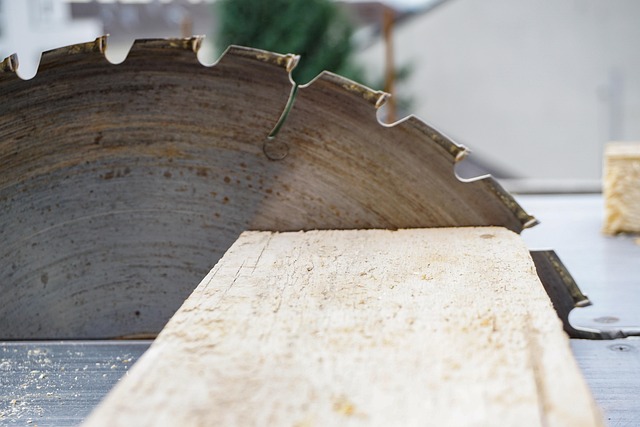
How Does a Table Saw Blade Influence the Accuracy of DIY Jigs
5 Simple Table Saw Jigs Any DIY Woodworker Can Use
For any seasoned woodworker, the precision of a jig depends as much on the table saw blade as on the jig’s design. The geometry, sharpness, and alignment of the blade directly influence how accurately a jig performs. A well-matched blade-jig setup reduces tear-out, ensures consistent kerf width, and maintains perfect cutting angles. In short, mastering this relationship is what separates hobby-level results from professional-grade craftsmanship.
Understanding the Relationship Between Table Saw Blades and Jig Accuracy?
The interaction between a table saw blade and a jig defines how precisely each cut follows its intended path. Even small deviations in blade design or condition can ripple through the jig system, creating misalignment or inconsistent cuts that affect joinery quality.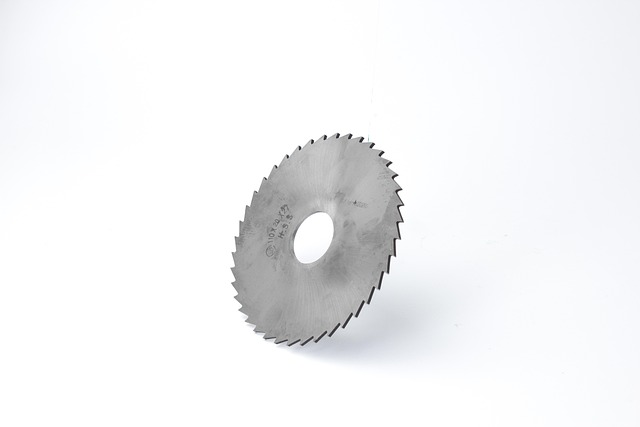
The Role of Blade Design in Precision Cutting
Tooth geometry dictates how aggressively a blade removes material. Alternate top bevel teeth yield clean crosscuts, while flat-top grinds favor rips. Kerf width determines how much material is removed per pass; thinner kerfs reduce resistance but may flex more under load. Blade plate thickness also matters—too thin and it may wobble, too thick and it strains the motor. The alignment between the blade and miter slots must be exact; even a fraction of a degree off can throw off sled-based jigs. Different designs also change how jigs maintain angle consistency across repeated cuts.
How Blade Condition Affects Jig Functionality
A dull or chipped tooth causes vibration that transfers into jigs, creating chatter marks or micro-deflection during cuts. Resin buildup increases feed resistance, leading to uneven pressure that shifts workpieces slightly against fences or stops. Regular cleaning with pitch remover and timely sharpening restore uniform cutting pressure, allowing jigs to perform predictably across different materials.
Factors That Determine Blade Performance in DIY Jigs
The performance of a table saw blade within a jig setup depends not only on its type but also on operational parameters such as speed and feed rate. These variables determine whether cuts remain square and smooth or drift subtly off course.
The Impact of Blade Type on Jig Applications
Crosscut blades with high tooth counts produce fine edges ideal for sleds used in cabinetry work. Rip blades have fewer teeth but deeper gullets for efficient chip removal when cutting along grain lines; they pair best with straight-line ripping jigs. Combination blades offer versatility for general-purpose jigs but may sacrifice perfection in either direction. Specialty dado or thin-kerf blades require recalibrating stop blocks since their cutting profiles differ significantly from standard blades.
Balancing Blade Speed and Feed Rate for Accuracy
Running a blade too fast while feeding too quickly causes deflection that misaligns jig-guided cuts. Conversely, low RPMs can burn wood fibers or leave rough edges. Matching feed speed to wood density keeps pressure even along the fence line. For example, dense maple demands slower feeds than pine to prevent lateral movement within sled runners.
Optimizing Jig Design for Different Table Saw Blades
Every table saw blade introduces its own mechanical signature—its kerf width, runout tolerance, and arbor seating all influence how tightly a jig must fit around it.
Adjusting Jig Tolerances Based on Kerf Width
Kerf variations alter reference points used by crosscut sleds or box joint jigs. Measuring kerf with feeler gauges helps fine-tune stop blocks so joints fit snugly without gaps. When switching between thin-kerf and full-kerf blades, recalibration prevents cumulative errors across multiple cuts.
Aligning Jigs with Blade Runout and Arbor Flange Accuracy
Even minimal runout—say 0.002 inches—can cause angular deviation noticeable in long miters. Checking arbor flange flatness ensures the blade remains perpendicular to both fence and table surface. Precision alignment tools like dial indicators help identify mechanical inconsistencies before they distort jig-guided operations.
Material Considerations When Using Table Saw Blades with Jigs
Different woods react differently under identical setups. Material density changes how both the blade and jig behave during extended use.
How Material Density Influences Blade-Jig Interaction
Dense hardwoods such as oak exert more resistance against teeth, amplifying potential drift if jigs aren’t clamped firmly or runners are loose in miter slots. Softer woods like pine allow smoother passes but can expose subtle calibration flaws since they compress slightly under pressure. Selecting blades rated for specific materials keeps performance predictable regardless of jig complexity.
Managing Heat Buildup During Extended Cuts
Continuous cutting generates friction that expands the steel plate microscopically, widening kerf size mid-cut. Heat-resistant coatings mitigate thermal distortion by reducing resin adhesion and friction coefficient at tooth tips. Allowing cooling intervals during repetitive passes preserves both edge sharpness and jig precision over time—a habit often overlooked in small workshops yet crucial for repeatable accuracy.
Enhancing DIY Jig Accuracy Through Maintenance and Calibration Practices
Precision woodworking relies less on luck than on disciplined maintenance routines that keep both blades and jigs synchronized over months of use.
Routine Inspection of Blade Alignment and Jig Reference Points
Periodic checks confirm fences remain square to the blade’s path while runners slide without play inside miter slots. Zero-clearance inserts should sit flush so material doesn’t shift laterally during entry cuts. Small recalibrations—like adjusting stop blocks by half a millimeter—extend accuracy lifespan across dozens of projects without major rebuilds.
Integrating Measuring Tools for Continuous Verification
Digital angle gauges verify bevel settings relative to the blade face before each session, especially when alternating between 90° crosscuts and compound miters. Dial indicators detect minute deviations in tracking that might otherwise accumulate into visible gaps at assembly stage. Consistent monitoring keeps complex joinery operations within professional tolerances even under variable workshop conditions.
FAQ
Q1: Why does my table saw jig cut slightly out of square?
A: Misalignment between the table saw blade and miter slot is often responsible; even small angular errors cause compound inaccuracies through the jig system.
Q2: How often should I sharpen my table saw blade?
A: For frequent users cutting hardwoods daily, sharpening every few months maintains consistent performance; occasional users can extend intervals if no burning or vibration occurs.
Q3: Can I use one combination blade for all my jigs?
A: Yes, though specialized tasks like dadoes or ultra-fine crosscuts benefit from dedicated blades designed for those purposes to maintain top precision.
Q4: What’s the best way to measure kerf width accurately?
A: Use digital calipers after making a test cut in scrap material; this provides an exact reference when adjusting sled stops or box joint keys.
Q5: Do heat-resistant coatings really improve accuracy?
A: They do by reducing pitch buildup and thermal expansion during long runs, which keeps both cut width and jig calibration stable over time.