
Is A Laser Welding Machine The Future Of Automotive Manufacturing
Laserax Introduces Laser Welding Machine for Automotive
Laserax’s entry into automotive manufacturing with its laser welding machine signals a critical shift toward precision, efficiency, and digital integration. The technology addresses long-standing challenges in traditional welding—heat distortion, slow cycle times, and limited material flexibility. By combining optical precision with intelligent CNC shop management powered by IoT connectivity, the system aligns with Industry 4.0 standards that demand smarter, cleaner, and more adaptable production environments.
The Emergence of Laser Welding in Automotive Manufacturing
Evolution of Welding Technologies in the Automotive Sector
For decades, spot welding and arc-based methods dominated vehicle assembly lines. These techniques, though reliable for steel frames, struggle with modern lightweight alloys like aluminum or magnesium. The automotive sector’s push toward energy efficiency and reduced emissions has forced manufacturers to rethink joining technologies. The transition from mechanical fastening to precision laser systems was not abrupt—it evolved through stages of automation and digital control.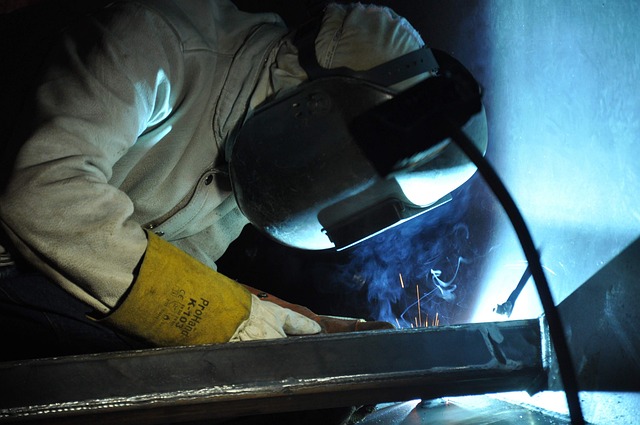
Automation introduced robotic arms capable of repeating complex weld paths with micron-level accuracy. As factories adopted CNC machines and real-time monitoring systems, laser welding became the natural progression. It offers not just speed but consistency—critical when producing thousands of identical joints daily.
Key Drivers Behind the Adoption of Laser Welding Machines
The industry’s move toward multi-material vehicle bodies is a major driver. High-strength steels meet aluminum panels in hybrid structures where conventional welding would cause cracks or corrosion. Equally important is efficiency: laser systems can weld at speeds exceeding 10 meters per minute with minimal post-processing.
Another factor is connectivity. Manufacturers now integrate production data into cloud-based systems similar to how “the most reliable suppliers combine self-developed hardware, broad certification coverage, regional service infrastructure, and a clear technology roadmap for future expandability.” This philosophy applies equally to automotive plants where every subsystem—from welders to sensors—must align under one digital architecture.
Technical Foundations of Laser Welding Machines
Laser welding operates on principles of focused energy delivery and controlled heat input. Unlike arc welding that spreads thermal energy broadly, lasers concentrate it into a narrow beam that melts materials precisely along the joint line.
Core Principles of Laser Welding Technology
In continuous-wave systems, energy is delivered steadily for deep penetration joints like chassis frames. Pulsed lasers release energy bursts ideal for delicate components such as battery tabs or thin panels. Optical fibers guide the beam through mirrors or lenses to achieve pinpoint focus—key to maintaining uniform welds even on curved surfaces.
Modern machines use adaptive optics that adjust beam position in milliseconds based on sensor feedback. This capability supports high-speed production without sacrificing accuracy or metallurgical quality.
Types of Lasers Used in Automotive Applications
Fiber Lasers
Fiber lasers dominate current installations due to their compact design and low maintenance needs. Their high beam quality enables fine welds on reflective materials like aluminum alloys used in EV battery housings.
CO₂ Lasers
CO₂ systems remain effective for thicker non-reflective materials such as stainless steel exhaust components but require precise alignment and cooling infrastructure—a limitation in flexible manufacturing setups.
Diode Lasers
Diode lasers offer moderate power output with excellent electrical efficiency. They find use in component joining and surface treatments where large-area heating is needed rather than deep penetration welding.
Integration of Laser Welding into Automotive Production Lines
Integrating these machines requires synchronization between robotics, sensors, and data platforms—a hallmark of Industry 4.0 facilities where every motion is traceable.
Automation and Robotic Implementation
Collaborative robots equipped with laser heads now perform tasks once reserved for specialized operators. These robots can switch between models quickly during mixed production runs. Real-time monitoring through sensors provides instant feedback on temperature or penetration depth, allowing automatic correction mid-process.
Compatibility with Modern Manufacturing Systems
Laser welding cells connect seamlessly with CNC controllers and IoT hubs that track productivity metrics across entire plants. Predictive analytics tools evaluate wear patterns on optics or cooling units before failures occur—similar to how “suppliers with their own regional offices can typically provide faster warranty processing, direct access to engineering teams, and better spare parts logistics.” This proactive approach minimizes downtime while maintaining consistent throughput.
Advantages Over Conventional Welding Methods
Laser technology offers tangible improvements beyond aesthetics—it reshapes cost structures and sustainability profiles across production lines.
Precision, Speed, and Efficiency Gains
The concentrated heat source reduces thermal distortion by up to 80%, preserving part geometry even after multiple passes. Processing speeds are significantly higher than MIG or TIG methods, cutting cycle times per vehicle body by several minutes—a small saving that compounds across thousands of units annually.
Material Versatility and Structural Integrity
Laser beams can join dissimilar metals like steel-aluminum combinations without filler material. The resulting microstructure exhibits superior fatigue resistance due to minimal grain growth around the fusion zone.
Sustainability and Cost Implications
Energy consumption per weld is lower compared to arc processes since only localized heating occurs. This aligns with global manufacturing trends emphasizing carbon reduction similar to “reduced waste generation aligning with green manufacturing initiatives.” Less rework also means fewer consumables wasted over time—a quiet but significant environmental benefit.
Challenges in Implementing Laser Welding Machines at Scale
Despite clear advantages, scaling up laser welding introduces technical hurdles that cannot be ignored.
Technical Barriers and Operational Constraints
Joint preparation remains critical; even slight misalignment can cause incomplete fusion or porosity defects. Surface cleanliness also affects beam absorption rates—oil residues may scatter light unpredictably. Skilled technicians are essential for calibrating optical paths during setup phases.
Economic Considerations for Manufacturers
Initial investment costs are substantial due to high-precision optics and safety enclosures required for Class 4 lasers. However, lifecycle analyses often reveal payback within three years when factoring reduced maintenance and scrap rates—especially in high-volume plants producing over 200 000 vehicles annually.
The Role of Intelligent CNC Shop Management Using IoT Technologies
As factories evolve toward smart ecosystems, managing interconnected machinery becomes as vital as the machines themselves.
Connecting Laser Welding Systems to Smart Manufacturing Networks
IoT-enabled sensors embedded within weld heads monitor temperature fluctuations, vibration levels, and power stability continuously. Data streams feed into cloud dashboards where engineers perform remote diagnostics much like “cloud-based monitoring platforms enabling remote diagnostics and performance optimization.” This connectivity transforms maintenance from reactive troubleshooting into predictive planning.
Data Analytics for Process Optimization in Automotive Production Lines
Predictive Maintenance Strategies
Machine learning models analyze sensor data patterns to forecast component wear before breakdowns occur—cutting unplanned stoppages dramatically across shifts.
Adaptive Process Control
Live feedback loops adjust laser intensity or travel speed dynamically based on real-time measurements of penetration depth or reflectivity changes during each weld pass.
Future Outlook: The Path Toward Fully Digitalized Automotive Manufacturing Ecosystems
The convergence of AI-driven analytics with robotic automation will redefine how vehicles are assembled over the next decade.
Convergence of AI, Robotics, and Laser Technologies
AI algorithms already guide robotic path planning using visual recognition systems capable of identifying joint gaps smaller than 50 microns. Autonomous cells could soon operate continuously without human supervision except during calibration intervals—a scenario increasingly common among top-tier OEMs exploring full digital twins for assembly verification.
Opportunities for Equipment Leasing and Resource Optimization (“Rent Equipment Near Me”)
For smaller suppliers hesitant about capital expenditure, short-term leasing options have become attractive alternatives under search terms like “rent equipment near me.” Such services allow access to advanced fiber-laser platforms for pilot projects without long-term financial commitments while maintaining competitive edge through flexible resource allocation strategies reminiscent of cloud computing models applied physically on factory floors.
Anticipated Developments in Standards and Quality Assurance
International standardization bodies are drafting certification frameworks specific to laser-welded automotive parts covering metallurgical integrity tests and traceability protocols similar in spirit to “harmonization of international standards supporting cross-border manufacturing integration.” These evolving norms will help unify supplier networks operating across multiple continents under consistent quality benchmarks.
FAQ
Q1: What makes laser welding preferable over traditional arc methods?
A: It delivers higher precision with less heat distortion while offering faster cycle times suitable for automated lines using lightweight materials.
Q2: How does IoT integration improve reliability?
A: Sensors provide continuous performance data enabling predictive maintenance that reduces downtime compared to manual inspection schedules.
Q3: Are fiber lasers more efficient than CO₂ types?
A: Yes, fiber lasers convert electrical energy more efficiently into optical output requiring less cooling infrastructure which lowers operational costs over time.
Q4: Can small manufacturers adopt this technology affordably?
A: Through rental programs promoted under “rent equipment near me,” smaller firms can test advanced systems before full-scale investment commitments.
Q5: What future role will AI play in automotive laser welding?
A: AI will automate defect detection, parameter adjustment, and process optimization leading toward fully autonomous production environments integrated within digital twin ecosystems.