
Is Cutting Torch Compliance the Core Issue Behind Bates Recycling’s Permit Halt
Bates Recycling Ordered to Cease Torch Cutting Until Proper Permits Are Acquired
Bates Recycling has been directed to suspend all cutting torch operations due to missing or outdated environmental permits. The order reflects growing regulatory attention toward emissions and safety compliance in metal recycling facilities. The halt underscores the importance of maintaining valid documentation for air quality, occupational safety, and hazardous material handling. For industrial recyclers, this case signals that even routine cutting processes must align with strict federal and state standards before resuming full operation.
Regulatory Context of Cutting Torch Operations
The regulation of cutting torch use in recycling facilities has become increasingly detailed, shaped by both environmental protection laws and occupational safety mandates. Compliance extends beyond simple equipment checks—it involves air emission controls, worker training, and permit renewals tied to local environmental agencies.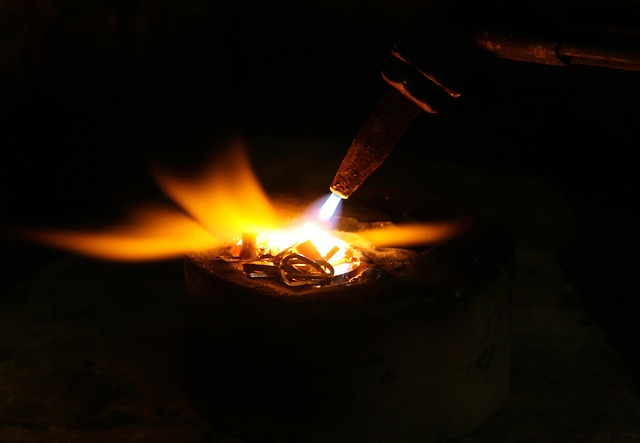
Understanding Cutting Torch Compliance Requirements
Federal oversight primarily comes from the Environmental Protection Agency (EPA) and the Occupational Safety and Health Administration (OSHA). These bodies set standards on emissions, fire safety, and worker exposure during thermal cutting. States often add their own layers of regulation, requiring recyclers to maintain facility-specific permits for air quality and waste management. Documentation typically includes operating permits under Title V of the Clean Air Act, fire department approvals for fuel gas systems, and periodic inspection reports. Facilities must also maintain Safety Data Sheets (SDS) for gases used in torch operations.
The Role of Air Quality and Emissions Standards
Torch cutting releases fine particulates, metal fumes, and combustion gases that contribute to localized air pollution. Regulators require particulate control measures such as fume extractors or localized ventilation systems. Facilities holding air permits must track emissions data and submit annual compliance certifications to their state environmental agency. Continuous monitoring is often required when cutting frequency or throughput exceeds specified thresholds. Failure to report accurate emission data can lead to immediate enforcement actions similar to Bates Recycling’s current suspension.
Bates Recycling’s Operational Framework
Bates Recycling operates as a large-scale metal recovery facility handling ferrous and non-ferrous materials through shredding, sorting, and thermal processing steps. Within this workflow, cutting torches are essential for dismantling oversized scrap components before mechanical processing begins.
Scope of Bates Recycling’s Metal Processing Activities
The facility’s daily operations involve receiving bulk scrap from industrial clients, separating materials by composition, then preparing them for resale or smelting. Cutting torches are used during initial breakdown phases where mechanical shears cannot reach or where precision cuts are required. In comparable facilities, operators follow strict hot work protocols: designated areas with non-combustible surfaces, continuous fire watch coverage, and gas cylinder segregation zones at least 20 feet from active flames.
Permit Structure Relevant to Bates Recycling
Metal recyclers performing thermal cutting typically require multiple permits—air emission permits for combustion-related pollutants, stormwater discharge authorizations under the Clean Water Act, and hazardous waste generator IDs if residues are produced. Local authorities evaluate permit applications based on projected emissions data and proximity to residential areas. Maintaining active permits is not only a legal requirement but also a precondition for insurance coverage and vendor contracts that depend on verified compliance status.
The Compliance Issue Leading to Permit Suspension
When regulators issue a halt order on torch operations, it usually stems from administrative lapses or detected violations during inspection cycles. In Bates Recycling’s case, the focus likely centers on expired or incomplete air quality documentation tied to its torch cutting area.
Identifying the Core Reasons Behind the Halt Order
Common non-compliance factors include missing renewal submissions or changes in operational capacity not reflected in existing permits. Environmental inspectors may also cite unrecorded modifications—such as new gas manifolds or expanded cutting bays—that alter emission profiles without updated filings. Once deficiencies are confirmed, agencies issue formal cease orders under administrative procedure acts until corrective actions are verified.
Impact of Non-Compliance on Operations and Reputation
Suspending torch activities disrupts material flow immediately since large scrap pieces can no longer be downsized efficiently. This causes bottlenecks in sorting lines and delays outbound shipments to foundries or mills. Financially, throughput reductions translate into lower revenue per ton processed while fixed costs remain constant. From an industry perspective, enforcement actions damage credibility with suppliers who rely on consistent processing schedules.
Technical Aspects of Cutting Torch Safety and Compliance
Safety standards around torch equipment form a critical part of regulatory compliance because they directly affect worker welfare and facility risk levels. Equipment certification and operator competence both determine whether operations meet OSHA expectations.
Equipment Standards and Maintenance Protocols
Cutting torches must conform to ANSI Z49.1 standards governing welding safety requirements. Regulators inspect hoses for wear cracks, regulators for pressure calibration accuracy within ±10%, and cylinders for hydrostatic test stamps within five-year intervals. Routine maintenance logs should document each inspection date alongside corrective actions taken after faults are detected. These records serve as proof during audits that preventive maintenance programs are active rather than reactive.
Worker Training and Safety Procedures
Operators handling torches must hold valid hot work certifications issued through OSHA-authorized programs or equivalent state training bodies. Training covers flame adjustment techniques minimizing oxygen-fuel imbalance that could increase carbon monoxide output. Fire prevention measures include keeping Class D extinguishers nearby when working with magnesium alloys prone to ignition at lower temperatures. Proper ventilation design is equally vital—especially when multiple torches operate simultaneously within enclosed bays—to maintain oxygen concentration above 19.5% while keeping fume levels below permissible exposure limits.
Pathways Toward Restoring Compliance at Bates Recycling
Once enforcement action occurs, regaining authorization involves coordinated administrative work backed by documented technical corrections verified by third-party inspectors.
Steps Required to Regain Operational Authorization
Reinstatement begins with filing updated permit applications reflecting current operational parameters such as torch count, fuel type usage rates, and ventilation specifications. Environmental regulators may request stack tests demonstrating pollutant capture efficiency before lifting restrictions. Corrective actions might include installing upgraded filtration units or revising emergency shutdown procedures for gas leaks.
Long-Term Strategies for Sustained Regulatory Adherence
To prevent recurrence, recyclers often implement internal compliance management systems combining digital recordkeeping with automated reminders for permit renewals or inspection deadlines. Regular dialogue with oversight agencies helps clarify evolving requirements early rather than post-violation. Some facilities engage external auditors annually to benchmark practices against ISO 14001 environmental management frameworks—a proactive measure gaining traction across industrial recycling sectors.
Broader Implications for the Recycling Industry
The Bates Recycling case illustrates broader tensions between production efficiency goals and tightening environmental expectations across heavy industries reliant on thermal processing methods like torch cutting.
Lessons from Enforcement Actions on Torch Cutting Operations
Past enforcement cases have prompted recyclers nationwide to reassess how they document emissions control efforts even when pollutant levels remain low in absolute terms. Industry associations now emphasize proactive environmental management as integral business practice rather than regulatory obligation alone—a cultural shift driven partly by reputational risk awareness among corporate clients sourcing recycled metals responsibly.
Future Outlook on Regulatory Oversight in Metal Recycling
Regulatory scrutiny will likely intensify as states adopt stricter particulate matter thresholds aligned with EPA’s evolving National Ambient Air Quality Standards (NAAQS). Emerging plasma arc technologies offer cleaner alternatives by reducing combustion gases while maintaining cut precision—a direction many forward-looking recyclers explore as part of modernization plans anticipating future compliance landscapes.
FAQ
Q1: Why was Bates Recycling ordered to stop using cutting torches?
A: Regulators identified missing or outdated environmental permits related to air emissions from torch operations.
Q2: What specific permits does a metal recycler need for torch cutting?
A: Typically air quality permits under Title V of the Clean Air Act plus local fire department approvals covering fuel gas storage systems.
Q3: How long does it take to regain operational approval after suspension?
A: Timelines vary but usually range from several weeks to months depending on how quickly corrective documentation is reviewed by authorities.
Q4: What risks do unpermitted torch operations pose?
A: They increase exposure risks from airborne metals like manganese or lead while creating potential fire hazards without validated safety systems.
Q5: Are there cleaner alternatives to traditional oxy-fuel torches?
A: Yes—plasma cutters powered by electricity produce fewer combustion pollutants though they require higher energy input per cut cycle compared with conventional setups.