
How Hedelong’s FRP Tanks Revolutionize Industrial Storage
In the world of industrial machinery, finding innovative solutions that effectively address traditional challenges is paramount. This is where Hedelong's FRP tanks make a significant impact. Known for their durability, versatility, and cost-effectiveness, these Fiber Reinforced Plastic (FRP) tanks are transforming How industries manage storage, particularly in dealing with corrosive substances and harsh environmental conditions.
The industrial sector often grapples with the challenge of storing various chemicals and liquids safely. Traditional materials like steel and concrete, while robust, are susceptible to corrosion, leading to frequent maintenance and replacement costs. Hedelong's FRP tanks, however, are engineered to withstand these corrosive environments, offering a long-lasting alternative that reduces operational disruptions.
Constructed from a composite material comprising a polymer matrix reinforced with fibers, typically glass, FRP tanks are lightweight yet incredibly strong. This strength-to-weight ratio makes them easier to install and transport compared to their heavier counterparts. Industries ranging from chemical processing to water treatment are increasingly adopting these tanks for their ability to handle a wide array of substances without compromising on safety or integrity.
One of the standout features of Hedelong's FRP tanks is their exceptional resistance to corrosion. Unlike metal tanks, which can rust or degrade when exposed to chemicals or saltwater, FRP tanks maintain their integrity over time. This makes them particularly appealing for industries involved in chemical storage, wastewater treatment, and even in marine applications where exposure to corrosive elements is a constant threat.
Moreover, the adaptability of FRP tanks to various industrial needs cannot be overstated. They are available in a multitude of shapes and sizes, offering custom solutions tailored to specific requirements. Whether it's a small-scale water filtration system or a large chemical processing unit, Hedelong provides FRP tanks that fit seamlessly into existing frameworks, enhancing operational efficiency and safety.
The benefits of using FRP tanks extend beyond just corrosion resistance. They are also known for their excellent thermal insulation properties. This characteristic is crucial in industries where temperature control is vital, such as in the storage of temperature-sensitive chemicals or in processes where maintaining a consistent thermal environment is necessary. The insulating properties of FRP tanks help in reducing energy consumption, thereby lowering operational costs.
Environmental sustainability is another significant advantage of Hedelong's FRP tanks. The production process of FRP materials is less energy-intensive compared to traditional tank materials, resulting in a lower carbon footprint. Furthermore, the longevity of these tanks means fewer replacements and less waste, aligning with global efforts to promote sustainable industrial practices.
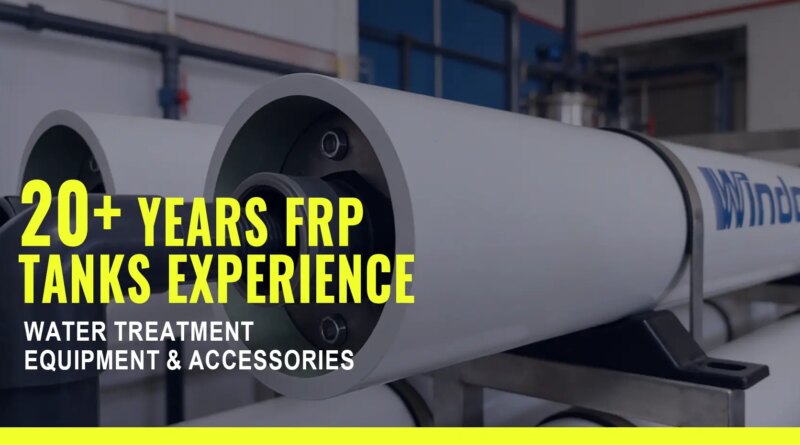
In addition to storage tanks, Hedelong's product line includes FRP membrane housings, water filter machines, FRP pipes, and FRP softener tanks. Each of these products leverages the inherent strengths of FRP materials to provide innovative solutions across various applications. For instance, FRP membrane housings are integral to water treatment facilities, ensuring the effective filtration and purification of water while resisting the corrosive effects of chemicals used in the process.
Water filter machines constructed with FRP technology are pivotal in delivering clean water in both industrial and residential settings. These machines are designed to withstand the challenges posed by hard water, chemicals, and other impurities, ensuring that the filtration process is efficient and reliable over the long term.
FRP pipes are another critical component in industries that require robust and flexible piping solutions. These pipes offer excellent resistance to chemical attack and can be customized to suit specific industrial needs. Whether for transporting corrosive chemicals or handling hot fluids, FRP pipes provide a reliable and safe conduit that enhances overall system performance.
Furthermore, FRP softener tanks are essential in water treatment processes, particularly in softening hard water. These tanks are designed to withstand the pressures and chemical interactions involved in the softening process, ensuring a consistent supply of softened water with minimal maintenance requirements.
The versatility and resilience of Hedelong's FRP products make them an ideal choice for industries looking to modernize their operations while minimizing costs and environmental impact. With an increasing emphasis on sustainability and efficiency, the shift towards FRP technology represents a forward-thinking approach that addresses contemporary industrial challenges.
Adopting FRP solutions also translates to significant cost savings over time. The reduced need for maintenance, coupled with the extended lifespan of FRP tanks and components, means businesses can allocate resources more efficiently, focusing on growth and innovation rather than frequent repairs and replacements.
In summary, Hedelong's FRP tanks and related products offer a compelling proposition for industries seeking durable, adaptable, and environmentally friendly storage solutions. Their ability to resist corrosion, provide thermal insulation, and adapt to various industrial applications makes them an invaluable asset in the modern industrial landscape. As industries continue to evolve and face new challenges, the role of innovative materials like FRP in driving efficiency and sustainability becomes increasingly critical. With Hedelong at the forefront of this transformation, businesses can look forward to a future where operational excellence and environmental responsibility go hand in hand.