
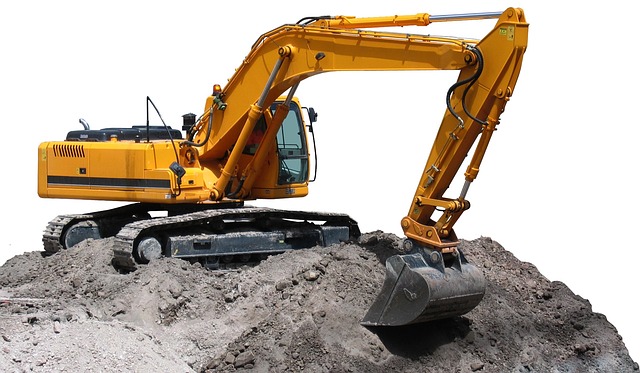
Is The Hitachi Excavator Redefining Efficiency For Expanding Quarry Groups
Expanding Quarry Group Invests in 90-Tonne Hitachi Excavator
Quarry operators worldwide are scaling up to meet rising infrastructure and construction demands. The decision by an expanding quarry group to invest in a 90-tonne Hitachi excavator reflects a strategic shift toward high-capacity, fuel-efficient, and technologically advanced machinery. This move not only boosts production efficiency but also aligns with modern sustainability and safety standards. The 90-tonne model demonstrates how precision engineering and intelligent control systems can transform quarry operations into more productive, cost-effective, and environmentally responsible enterprises.
The Growing Demands of Expanding Quarry Operations
The global aggregates market continues to grow as urbanization accelerates. Quarries must now produce more material with fewer resources while maintaining environmental compliance.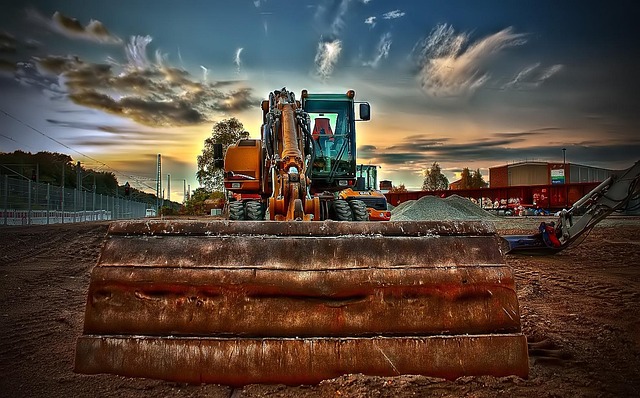
Evolution of Quarry Production Requirements
Increasing global demand for aggregates and minerals drives operational expansion. Large-scale projects such as highways, ports, and renewable energy foundations require higher output rates. As a result, quarry operators are turning to heavy equipment like the Hitachi excavator to sustain productivity under demanding conditions. Efficiency and sustainability have become performance benchmarks; operators seek machines that deliver strong output with reduced emissions and lower energy consumption.
Challenges Faced by Expanding Quarry Groups
Growth brings complexity. Expanding quarry groups must balance production increases with equipment reliability and maintenance costs. Fuel consumption represents a major expense, especially when machines operate continuously in high-load environments. Environmental regulations further tighten operational margins, requiring cleaner engines and better waste management systems. Safety is another critical factor—operators face long shifts in rugged conditions where machine uptime directly affects profitability.
The Strategic Role of the Hitachi Excavator in Modern Quarries
Expanding quarries need machinery that integrates seamlessly into existing fleets while offering measurable performance gains. The 90-tonne Hitachi excavator fits this profile through its blend of power, precision, and digital intelligence.
Overview of the 90-Tonne Hitachi Excavator
Engineered for heavy-duty applications, the 90-tonne Hitachi excavator features advanced hydraulic systems that deliver smooth control even under extreme loads. Its robust frame handles large volumes of overburden efficiently, minimizing cycle times between digging and loading phases. The machine’s design incorporates technology aimed at reducing idle time while improving cycle speed, translating directly into higher daily throughput.
Integration into Expanding Quarry Fleets
Compatibility is key for large quarry operations that rely on synchronized workflows between excavators, haulers, and crushers. The Hitachi model integrates easily with existing fleet management systems, allowing coordinated operation cycles that reduce bottlenecks. Even under variable geological conditions—such as dense basalt or loose gravel—the machine maintains consistent output levels through adaptive hydraulic control.
Engineering Innovations Driving Operational Efficiency
Modern excavation relies on mechanical strength paired with smart electronics. The latest generation of Hitachi excavators exemplifies this integration through hydraulic precision and data-driven monitoring tools.
Advanced Hydraulic and Powertrain Systems
Variable hydraulic flow technology adjusts energy use according to workload demand, preventing unnecessary fuel burn during light operations. A refined power-to-weight ratio gives the machine strong digging force without compromising efficiency. Smart control systems automatically adjust engine output based on load pressure and terrain resistance, maintaining optimal performance across shifts.
Intelligent Machine Control and Monitoring Technologies
Real-time analytics play a growing role in predictive maintenance scheduling. Through telematics platforms, managers can remotely track performance metrics such as fuel use, idle time, or component wear trends. Operator assistance features—like automated swing priority or boom angle guidance—reduce fatigue while improving accuracy during excavation tasks. These functions not only protect equipment but also extend operator endurance during long production cycles.
Economic Implications for Quarry Expansion Strategies
Investment decisions in heavy machinery hinge on balancing upfront cost against long-term operational value. For expanding quarries, the economic logic behind adopting high-capacity excavators lies in reduced OPEX and improved ROI stability.
Cost Efficiency Through Equipment Optimization
Lower fuel consumption directly reduces daily operating expenditure. Extended component life minimizes downtime-related losses by cutting unscheduled repair intervals. Faster material handling shortens project timelines—a vital advantage when contract deadlines are tight or weather windows narrow—thus increasing profitability per tonne extracted.
Return on Investment (ROI) Considerations for Heavy Equipment Acquisition
Evaluating long-term value goes beyond initial procurement cost. Total cost of ownership includes maintenance contracts, operator training programs, spare parts logistics, and software updates for onboard systems. Benchmarking productivity against competing models helps quantify real-world efficiency gains; many quarries report double-digit improvements in material moved per hour after introducing high-capacity units like the 90-tonne Hitachi excavator.
Sustainability and Environmental Performance Enhancements
Environmental responsibility is no longer optional—it’s part of business continuity planning for modern extractive industries.
Reduced Emissions Through Engine Efficiency Improvements
The new generation of engines used in large excavators complies with Tier 4/Stage V emission standards that significantly cut particulate matter and NOx levels compared to older diesel units. Optimized combustion processes improve thermal efficiency while Eco-mode operation balances power delivery with minimal ecological impact across work cycles.
Supporting Sustainable Quarrying Practices
Efficient resource extraction reduces waste generated per tonne produced by improving dig accuracy and bucket fill factors. Enhanced precision lowers over-excavation risk and preserves surrounding terrain integrity—a growing concern near urban development zones or protected landscapes. Integration with renewable-powered site operations further supports corporate ESG goals by linking heavy machinery performance to broader sustainability metrics.
The Future Outlook for Heavy Machinery in Quarry Expansion Projects
The next decade will redefine how quarries deploy capital equipment as digital technologies merge with mechanical engineering innovations.
Trends Shaping Excavator Technology Development
Hybrid drive systems are emerging for large excavators as OEMs experiment with electric-assist hydraulics to cut emissions further without losing torque capacity. Artificial intelligence is entering excavation planning tools that map optimal dig paths using real-time terrain data feeds from sensors or drones. Enhanced interoperability between digital quarry management platforms and machine control units will soon allow centralized coordination across entire fleets.
Strategic Equipment Investments for Long-Term Competitiveness
Forward-looking quarry groups align their machinery acquisition strategies with projected demand cycles in infrastructure development or mineral supply chains. Data-driven insights from telematics help optimize fleet utilization rates by identifying idle periods or underperforming assets. Partnerships with OEMs like Hitachi create access to continuous upgrades—both hardware refinements and software enhancements—that maintain competitiveness over multi-year investment horizons.
FAQ
Q1: Why did the quarry group choose a 90-tonne Hitachi excavator?
A: It offers high productivity with advanced hydraulics suited for large-scale extraction while maintaining fuel efficiency and durability under demanding workloads.
Q2: How does the excavator improve sustainability?
A: It meets Tier 4/Stage V emission standards through cleaner engine design and includes eco-modes that lower fuel use during light-duty cycles.
Q3: What makes it compatible with existing quarry fleets?
A: Its digital interfaces integrate easily into fleet management systems used for coordinating loaders, haulers, and crushers within complex operations.
Q4: How does predictive maintenance benefit quarry operations?
A: Real-time monitoring detects wear patterns early, allowing planned servicing that avoids costly downtime during peak production periods.
Q5: What future technologies could influence heavy excavation equipment?
A: Hybrid powertrains, AI-based automation tools, and connected telematics networks are expected to shape next-generation excavators used in expanding quarries worldwide.