
Could Wheel Loader Safety Protocols Have Prevented the Hamburg Fatality
Third Workplace Death in Hamburg This Year After Construction Worker Crushed by Wheel Loader
A fatal accident at a Hamburg construction site marked the third workplace death in the city this year. A worker was crushed by a wheel loader during regular site operations, raising serious concerns about heavy equipment safety and compliance with German occupational safety laws. Early investigations point to procedural lapses and possible mechanical issues. The incident underscores the urgent need for tighter supervision, improved training, and advanced safety technologies to prevent similar tragedies.
Overview of the Hamburg Construction Site Incident
The recent accident in Hamburg has drawn attention from both local authorities and construction industry experts. It highlights persistent gaps in risk management on active worksites where mobile machinery operates close to personnel.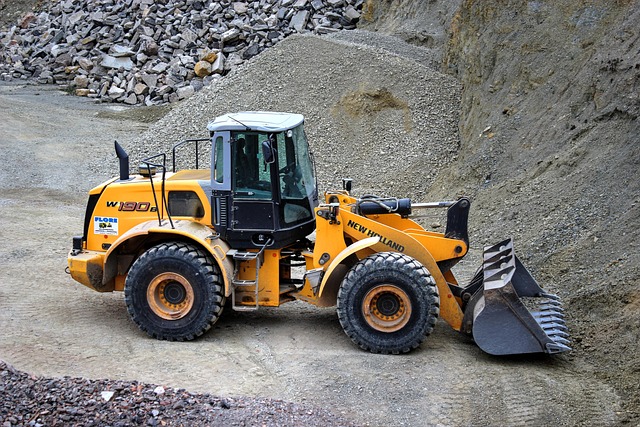
Circumstances Surrounding the Fatal Accident
At a mid-sized construction site in eastern Hamburg, a worker was struck and fatally crushed by a wheel loader during material transport operations. The event occurred mid-morning when multiple machines were maneuvering within a confined area. Witnesses reported that the victim was working near an excavation zone when the loader reversed unexpectedly. Emergency responders arrived within minutes, but resuscitation efforts were unsuccessful.
The timeline indicates that standard pre-operation checks had been completed earlier that day, though no independent verification has yet confirmed their adequacy. The sequence of events suggests that visibility limitations or miscommunication between operator and ground personnel may have played a role.
Identifying Contributing Factors
Preliminary findings from Hamburg’s occupational safety authority suggest multiple contributing factors, including limited sightlines from the wheel loader cab and potentially insufficient signaling between workers. Environmental conditions were typical for early spring—dry ground and moderate light—so weather is not considered a factor. Investigators are examining whether mechanical failure, such as malfunctioning reverse alarms or brake issues, contributed to the collision. Procedural adherence is also under review to determine if safe operating distances were maintained.
Understanding Wheel Loader Operational Risks
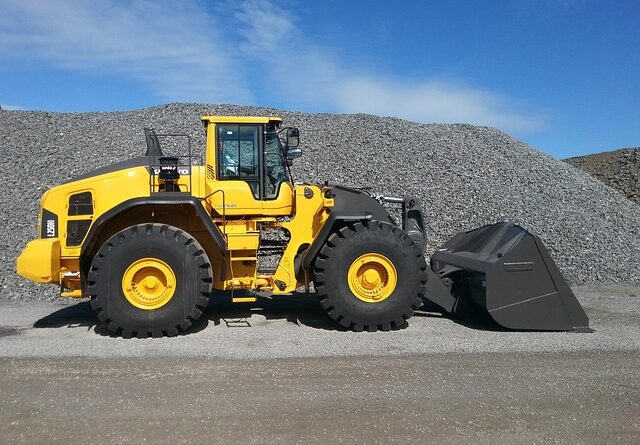
Wheel loaders are essential for earthmoving tasks but present significant hazards when operated near foot traffic or other machinery. Their large blind spots and limited maneuverability require strict adherence to safety protocols.
Common Hazards Associated with Wheel Loader Operations
Blind spots remain one of the most critical risks in wheel loader operation, particularly in urban sites like Hamburg where space is constrained. Operators often rely on mirrors or spotters to track ground personnel, but even minor lapses can lead to catastrophic outcomes. Reversing maneuvers pose heightened danger since rear visibility is restricted by counterweights and structural components.
Mechanical reliability also plays a role: hydraulic leaks or brake failures can reduce control responsiveness. Regular maintenance logs must be verified daily to catch early signs of wear or malfunction before equipment enters service.
Human Factors in Wheel Loader Safety
Human error frequently compounds mechanical risks. Operator fatigue after long shifts can slow reaction times, while distraction from radio communication or multitasking increases oversight risk. Inadequate training remains another concern—some operators lack updated certification on newer machine models equipped with digital control systems.
Communication between operators and ground workers is vital; unclear hand signals or missing spotters often precede incidents. Furthermore, poor site layout—such as overlapping pedestrian paths with vehicle routes—can unintentionally place workers within danger zones during loading operations.
Current Safety Protocols for Wheel Loader Operations
Safety procedures governing wheel loader use are well established but depend heavily on consistent enforcement at each jobsite. Compliance requires more than written rules; it demands active monitoring and accountability across all shifts.
Standard Operating Procedures (SOPs) in Construction Environments
German construction standards require pre-operation inspections covering tires, hydraulic systems, lights, alarms, and brakes before every shift. Operators must confirm that warning devices function correctly and that no unauthorized personnel are within operating range before movement begins.
Safe operating distances should be clearly marked using cones or barriers where feasible. Signaling systems—visual or auditory—must be standardized so all crew members interpret commands consistently. Supervisors play an essential role by verifying adherence through checklists rather than verbal confirmation alone.
Regulatory Framework Governing Heavy Equipment Safety in Germany
Germany’s Arbeitsschutzgesetz (Occupational Safety Act) mandates employers to assess risks systematically and implement preventive measures proportional to hazard levels. Employers must provide certified training for operators handling heavy machinery such as wheel loaders and maintain documentation proving compliance with these obligations.
Enforcement falls under Berufsgenossenschaften (BG), Germany’s statutory accident insurance institutions, which conduct routine audits and incident investigations. Non-compliance can lead to administrative penalties or suspension of site operations until corrective actions are verified by inspectors.
Evaluating Preventive Measures That Could Have Mitigated the Incident
The Hamburg tragedy raises questions about what preventive mechanisms might have reduced risk exposure on-site—from engineering upgrades to administrative reforms designed around human reliability principles.
Engineering Controls and Technological Safeguards
Visibility Enhancement Systems
Modern wheel loaders can be equipped with multi-camera arrays providing 360-degree visibility from cabin displays. Proximity sensors using ultrasonic or radar technology detect nearby movement beyond visual range, triggering alarms when humans enter restricted zones. Such systems significantly cut down blind-spot accidents if properly calibrated and maintained.
Automated Braking and Alert Systems
Collision avoidance technologies integrate sensors with automated braking functions capable of halting machines upon detecting obstacles within preset distances. Audible alerts warn both operator and nearby workers simultaneously, reducing reliance on manual reaction time alone. Retrofitting older models remains costly but may become mandatory under future EU machinery directives emphasizing active safety integration.
Administrative Controls and Training Programs
Operator Competency Standards
Operator certification programs require both theoretical instruction on load dynamics and practical tests under simulated field conditions. Certification validity typically lasts five years before renewal through refresher courses emphasizing new safety technologies or procedural updates introduced by manufacturers.
Site-Specific Safety Briefings
Daily toolbox talks focusing on high-risk zones—such as loading areas or reversing lanes—help align team awareness around current hazards each morning. These briefings reinforce situational vigilance while encouraging open dialogue about near misses observed during prior shifts.
Lessons for Construction Safety Management Practices
Beyond immediate technical causes, systemic management practices determine how effectively risks are controlled across projects of varying scale and complexity.
Strengthening Risk Assessment Procedures
Dynamic risk assessments conducted before each operational phase allow supervisors to adapt controls as conditions evolve—for example, when excavation depth changes vehicle approach angles or lighting conditions shift visibility parameters. Near-miss reporting systems provide early indicators of systemic weaknesses; analyzing these reports helps identify recurring unsafe behaviors before they result in fatalities.
Building a Culture of Accountability and Continuous Improvement
Safety culture thrives when every worker feels responsible for identifying hazards rather than assuming others will intervene. Encouraging open feedback loops between operators, engineers, and supervisors builds collective ownership of safety outcomes. Lessons learned from incidents should feed directly into updated safety management systems (SMS), transforming reactive measures into proactive prevention frameworks across company portfolios.
The Broader Implications for Occupational Safety Oversight in Hamburg
This incident reflects broader patterns emerging across Germany’s industrial centers where rapid urban development pressures sometimes outpace regulatory enforcement capacity.
Patterns Across Recent Workplace Fatalities in the Region
Hamburg has recorded three workplace deaths this year alone—all involving heavy machinery interactions within confined worksites. Analysis of these cases reveals recurring deficiencies: inadequate separation between pedestrian zones and equipment paths, inconsistent maintenance documentation, and insufficient operator retraining cycles following equipment upgrades.
Statistical reviews show correlation between lower compliance audit scores from BG inspectors and higher frequency of mobile-equipment-related injuries across northern Germany’s construction sector—a trend demanding targeted intervention strategies at municipal level.
Policy Considerations for Enhancing Construction Site Oversight
To strengthen oversight frameworks, policymakers may consider mandating digital telematics tracking for all wheel loaders above certain tonnage thresholds to monitor operational behavior remotely in real time. Enhanced inspection protocols could focus specifically on high-risk activities like reversing maneuvers near excavation edges or material stockpiles where line-of-sight obstructions are common.
Collaborative partnerships among regulators, trade unions, equipment manufacturers, and training institutes could accelerate adoption of best practices while ensuring smaller contractors receive adequate technical support rather than punitive enforcement alone.
FAQ
Q1: What caused the fatal wheel loader accident in Hamburg?
A: Early investigations suggest limited visibility combined with possible communication failure between operator and ground staff led to the worker being struck during reversing operations.
Q2: How common are such accidents involving wheel loaders?
A: Accidents involving heavy loaders occur globally each year; most result from blind spots or procedural lapses rather than outright mechanical failure.
Q3: What regulations govern heavy machinery operation in Germany?
A: The Arbeitsschutzgesetz sets employer duties for hazard assessment and preventive action; enforcement comes through Berufsgenossenschaften conducting audits and inspections nationwide.
Q4: What technologies could prevent similar incidents?
A: Advanced camera systems, radar-based proximity sensors, automated braking functions, and real-time alert systems significantly reduce collision risks on busy sites.
Q5: How can companies improve overall construction site safety culture?
A: By promoting transparent reporting of near misses, conducting daily briefings focused on changing hazards, investing in continuous operator education, and embedding accountability into every project phase.