
How JCB Telehandler Production in Savannah Redefines Global Supply Chains
JCB Brings Telescopic Handler Production Line to Savannah
JCB’s decision to expand its jcb telehandler production line to Savannah marks a pivotal step in reshaping its North American operations. The new facility strengthens the company’s manufacturing footprint, enhances supply chain resilience, and aligns with global trends toward localized production. By combining automation, smart factory technologies, and sustainable practices, JCB positions itself to meet rising demand while supporting regional economic growth and environmental goals.
Expansion of JCB Telehandler Production to Savannah
The expansion into Savannah represents more than just an additional plant; it signals a shift in how JCB integrates global efficiency with local responsiveness. The move underlines the brand’s intent to serve the North American market faster and more competitively while maintaining its engineering excellence.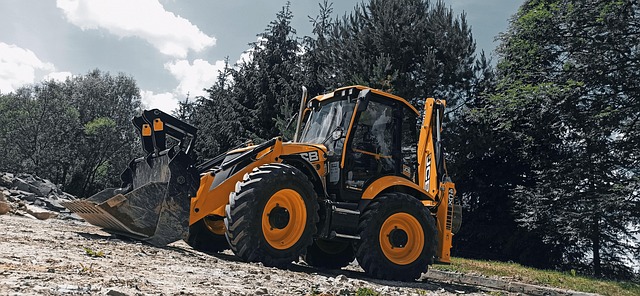
Strategic Rationale Behind the Savannah Facility
The establishment of the Savannah facility aligns directly with JCB’s long-term North American growth strategy. The company recognizes that proximity to key markets reduces delivery times and import dependencies. Savannah’s location offers logistical advantages for both domestic and international distribution due to its strong transportation infrastructure and access to major highways.
Equally important is the proximity to the Port of Savannah, one of the busiest container ports in the United States. This enhances export capabilities and streamlines inbound material flows, creating a more efficient supply chain network. The port connection allows JCB to balance production between continents while maintaining cost control and operational agility.
Integration of Global and Local Manufacturing Capabilities
The new Savannah plant complements JCB’s existing production bases in the UK and India. This integration allows for balanced output distribution across regions depending on demand cycles. Local sourcing strategies also play a critical role by reducing lead times and transportation costs, which can be significant factors in heavy equipment manufacturing.
Global coordination ensures that every jcb telehandler produced meets consistent standards of quality and innovation. Shared digital platforms link engineering teams across continents, enabling real-time collaboration on design updates or process improvements. This synchronization supports product reliability regardless of where units are assembled.
Technological Advancements in the New Production Line
JCB’s investment in advanced manufacturing at Savannah reflects broader industry trends toward automation, robotics, and data-driven operations. The facility embodies principles of Industry 4.0, merging physical production with digital intelligence for higher productivity.
Automation and Robotics in Assembly Processes
Automation plays a central role in the assembly line design. Advanced robotics handle repetitive tasks such as component welding or precision fitting, improving both speed and accuracy. These systems reduce human error while freeing skilled workers for higher-value activities like inspection or calibration.
Automated processes also increase throughput without compromising safety standards. Robots equipped with vision sensors ensure precise alignment during assembly stages, vital for equipment like telehandlers where stability is critical. Data-driven maintenance systems monitor machine performance continuously, minimizing downtime through predictive servicing schedules.
Implementation of Smart Factory Concepts
Smart factory integration transforms how data flows within the plant. IoT-enabled sensors track real-time metrics such as energy consumption, cycle time, and equipment utilization. This transparency allows supervisors to make quick adjustments when deviations occur.
Predictive analytics tools analyze production data over time to identify bottlenecks or potential failures before they impact output. Integration with enterprise resource planning (ERP) systems provides full operational visibility—from supplier deliveries to final shipment—ensuring smoother coordination across departments.
Impact on Global Supply Chain Dynamics
The addition of a U.S.-based telehandler facility inevitably reshapes JCB’s global supply chain model. It introduces regional flexibility while reducing exposure to international transport disruptions or tariff fluctuations.
Reconfiguration of Component Sourcing Networks
Regionalized sourcing models are being adopted to reduce reliance on long-distance shipments from Europe or Asia. By developing relationships with North American suppliers, JCB shortens lead times and builds redundancy into its component network.
Supplier diversification further mitigates geopolitical risks such as trade restrictions or currency volatility. Collaborating closely with local partners also encourages innovation in component design—particularly around lightweight materials or sustainable alternatives—which supports both performance goals and environmental commitments.
Streamlining Distribution Across Continents
Savannah serves as a central hub for North American distribution while maintaining strong export links through its port access. Finished telehandlers can be shipped efficiently across domestic markets or exported globally within tight delivery windows.
Enhanced logistics coordination reduces unnecessary handling steps and lowers emissions from transport operations. The resulting network not only improves customer responsiveness but also contributes to a smaller carbon footprint across JCB’s entire supply chain ecosystem.
Economic and Industrial Implications for the Region
Beyond corporate benefits, the new facility carries significant economic implications for Georgia’s industrial landscape. It stimulates local ecosystems by creating jobs, boosting supplier demand, and fostering technical education partnerships.
Contribution to Regional Manufacturing Ecosystems
The plant generates demand for specialized services such as precision machining, metal fabrication, and component testing—all vital parts of Georgia’s growing manufacturing base. As ancillary businesses cluster around JCB’s operations, regional industrial capacity deepens further.
Partnerships with local technical institutions support workforce development programs tailored to advanced manufacturing needs. These collaborations help train technicians capable of operating robotic systems or interpreting digital diagnostics—skills increasingly vital across modern factories.
Employment and Skill Development Initiatives
Employment opportunities extend beyond assembly lines into engineering support, logistics management, and maintenance roles. Training programs emphasize competencies like mechatronics or data analytics relevant to Industry 4.0 environments.
Collaborations with vocational schools ensure that educational curricula align closely with evolving industry requirements. Such initiatives not only fill immediate staffing needs but also strengthen long-term talent pipelines essential for sustaining innovation-led growth in Georgia’s manufacturing sector.
Sustainability and Environmental Considerations in Production
Sustainability remains integral to JCB’s operational philosophy at Savannah. The site incorporates resource-efficient technologies aimed at reducing environmental impact throughout production cycles.
Resource Efficiency in Manufacturing Operations
Energy-efficient machinery minimizes power consumption per unit produced by optimizing motor speeds and heat recovery systems. Waste reduction initiatives encourage recycling of metal scraps and reuse of packaging materials within internal logistics loops.
Water recycling systems are integrated into cooling processes to conserve freshwater resources—a growing concern across industrial facilities worldwide—and align with circular economy principles that prioritize material reuse over disposal.
Sustainable Supply Chain Practices Adopted by JCB
JCB favors suppliers certified under environmental management standards such as ISO 14001, reinforcing accountability throughout its procurement channels. Low-emission transport solutions are deployed for regional deliveries using hybrid trucks or rail freight where feasible.
Lifecycle analysis informs product design decisions so that each jcb telehandler minimizes environmental impact from raw material extraction through end-of-life recycling stages—a holistic approach increasingly expected by regulators and customers alike.
Influence on Market Competitiveness and Industry Standards
The Savannah expansion strengthens JCB’s strategic position within the global telehandler segment while setting benchmarks for collaborative innovation across heavy machinery manufacturing networks.
Strengthening JCB’s Position in the Global Telehandler Market
Localized production enhances responsiveness to market fluctuations by shortening order-to-delivery cycles for North American clients. Reduced logistics costs combined with avoidance of import tariffs contribute directly to competitive pricing structures without compromising quality benchmarks established internationally.
This expansion supports JCB’s broader ambition of consolidating leadership in construction equipment manufacturing by aligning geographic presence with key demand centers—a model mirrored by other top-tier OEMs seeking resilience against global uncertainties.
Setting New Benchmarks for Industrial Collaboration and Innovation
Cross-functional collaboration between engineering teams, supply chain specialists, and R&D units accelerates product iteration cycles at Savannah. Lessons learned here will likely influence future factory designs worldwide within JCB’s portfolio.
Benchmarking against international best practices drives continuous improvement not only internally but also among partner firms integrated into this ecosystem. Over time, the Savannah model may evolve into a blueprint guiding future expansions across emerging markets where industrial modernization is rapidly advancing.
FAQ
Q1: Why did JCB choose Savannah for its new telehandler facility?
A: Savannah offers strong logistics infrastructure, proximity to major highways, access to an active port system, and a skilled workforce base suitable for advanced manufacturing operations.
Q2: How will automation affect employment at the new plant?
A: Automation will change job profiles rather than eliminate them; workers will transition toward roles involving robotics supervision, maintenance analytics, and quality assurance tasks requiring technical expertise.
Q3: What sustainability measures are implemented at this site?
A: The facility uses energy-efficient machinery, waste recycling programs, water reuse systems, ISO 14001-certified suppliers, and low-emission transport options across its regional network.
Q4: How does this expansion impact global supply chains?
A: It introduces regional flexibility by shortening sourcing routes within North America while maintaining coordinated production standards across global plants in the UK and India.
Q5: What benefits does Georgia gain from this investment?
A: The project stimulates local industry growth through supplier engagement, job creation in high-skill sectors, educational partnerships with technical schools, and increased tax contributions supporting community development initiatives.