
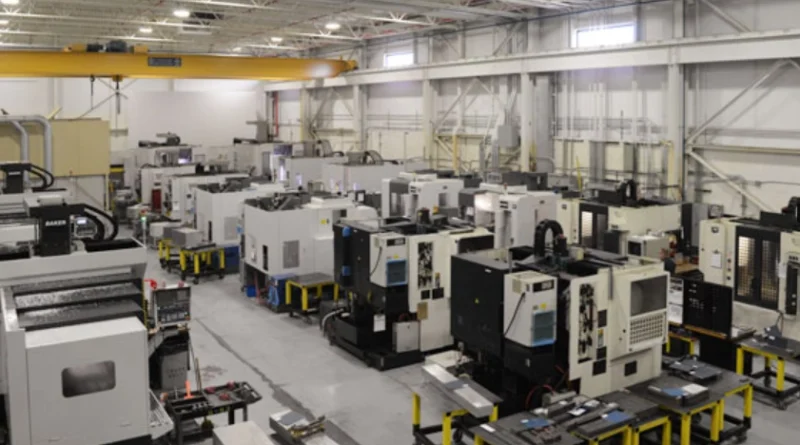
What Do CNC Machine Accuracy Specs Reveal About True Precision
CNC Machine Accuracy Specs: What Repeatability, Backlash, and Straightness Really Tell You
Precision machining relies on how well a CNC machine follows its programmed instructions. When you check cnc machine accuracy specs, those numbers mean more than just figures. They show how the machine will affect the quality of real parts you make. The way accuracy, repeatability, backlash, and straight lines work together decides if a part fits tight limits or gets tossed out. In my experience from shop floors, ignoring these can lead to surprises during production runs.

Understanding CNC Machine Accuracy Specifications?
CNC accuracy specifications set the limits of a machine’s positioning skills. These numbers help you compare different models. They also let you guess how the machine will do in steady conditions. But they can trick you if you forget about things like room temperature or how you run the machine.
Defining Key Accuracy Terms in CNC Systems
Accuracy means how near the machine’s real spot is to the spot it was told to go. Repeatability checks how steadily it can get back to that spot in the same setup. Resolution is the tiniest step the system’s sensors can pick up. These three things together explain both the sharpness and the dependability of the machine. For instance, in a busy workshop, good resolution helps catch small slips early.
Manufacturers often use world standards like ISO 230-2, VDI/DGQ 3441, or JIS B6330 to set these terms. Such standards make sure brands share data in the same way. They use the same test steps. Still, changes in heat, shakes, dampness, and part wear can mess up the results as time goes on. A machine that works fine in a cool lab might act different on your factory floor. That’s because heat makes parts grow a bit, or wind from doors moves things around.
How Accuracy Specs Are Measured and Reported
Usual ways to measure include laser interferometry and ballbar tests. Laser tools check straight-line errors with tiny detail, down to less than a micron. They do this by watching light wave patterns as the axis moves. Ballbar tests look at how well the machine draws a circle. They note any wiggles when two axes work together.
Static accuracy looks at spot errors when nothing is moving. Dynamic accuracy thinks about speed changes and slowdowns during cuts. The second one fits real work better. But it’s tougher to make standard for everyone. I recall a case where a shop found dynamic errors doubled under heavy cuts, even with good static numbers.
Heat fixing is key in tests. Small heat differences in screws or tracks can shift things a lot. Machines with heat sensors often fix this on their own. They tweak the numbers to keep things steady while running.
Repeatability: The Foundation of Predictable Machining?
Repeatability tells how sure a CNC system is to hit a spot again after several trips. It makes part sizes stay the same from one day to the next.
What Repeatability Indicates About Machine Behavior
In moving systems, repeatability points to how steady the motor controls are and how clear the position sensors work. Sensors with lots of detail give quick fixes for off spots. If the motor setup is shaky or sensors pick up static, repeatability drops. Even if the main accuracy looks okay. Think of it like driving the same road daily; bumps from bad sensors make you swerve each time.
Tools like Cp and Cpk connect repeatability to steady making. A strong Cpk means changes in the process stay small compared to allowed limits. This shows the machine’s repeatability helps with checking quality stats. In practice, shops aim for Cpk over 1.33 for tricky parts like engine bits.
Assessing Repeatability Data in Manufacturer Specs
Company sheets often give repeatability as ± a few microns for each direction. They note if it’s one-way or both-way tests. One-way skips the push-back effect by coming from just one side. Both-way includes it. So both-way matches daily use better.
To check these in your place, many teams use block gauges or laser tools over set loops. This confirms the spots stay within the promised range. It’s a simple way to see if the machine lives up to the hype right after setup.
Backlash and Its Role in True CNC Precision?
Even with top motor tweaks, loose spots in parts cause errors called backlash. It’s a tough issue for keeping motion sharp.
Mechanical Sources and Measurement of Backlash
Backlash comes from wear on ball screws, loose bearings, or stretch in links between motors and screws. As time passes, tiny gaps form. They slow things down when the move flips direction.
You can measure this lag with dial gauges on moving parts. They show the slip before the turn. Laser tools give better reads over big distances.
Straight axes show backlash as a delay in line moves. Round axes show it as angle slips in turns. Both make smooth paths bumpy in hard routes. For example, in cutting curves on car parts, this can add extra 20 microns off if not watched.
Minimizing Backlash Through Design and Compensation Strategies
Mechanical Approaches to Backlash Reduction
Build fixes like tight ball screws cut out side space with steady pull. Two-nut setups hold screw threads firm for years. Gears that fight backlash keep teeth pressed to stop lost steps in spin drives.
Control System Compensation Techniques
New CNC brains have software tables to fix backlash. They shift the planned spots based on known gaps. But digital fixes can’t match solid build. Wear changes the gap in ways software can’t guess forever.
Straightness, Squareness, and Geometric Integrity?
After line spot errors, there’s shape fit. It’s the hidden base for full space accuracy over many directions.
The Role of Straightness in Multi-Axis Alignment Accuracy
Straightness error is how much the path bends from a true line. Track shape sets this. Worn paths or uneven bearing push cause bends. Even if sensors say it’s straight.
When axes team up, like X and Y for shapes, small bends add up to big off spots on parts. This shows clear on forms or plane bits that need micron fits. I’ve seen a mold part warp by 50 microns from just 10-micron straightness slips in long runs.
Evaluating Squareness Between Axes for 3D Precision
Squareness is how square two axes sit to each other. You check with stone blocks or laser setups. They spot angle off down to seconds of arc. If squareness goes bad, space errors pop in 3D work. That’s because math assumes axes meet at right angles.
Interpreting CNC Accuracy Specs Beyond the Data Sheet?
Printed cnc machine accuracy specs seem great. But they skip how machines act with real cuts and loads.
Why Published Specs May Not Reflect Real Cutting Conditions
Companies test empty machines. No spin force or cut push bends the frame. When you cut, pushes bend parts a touch. Heat spread grows stuff. Shakes from other gear change vibes. Tool bends add to the mess. All this piles up to stray from perfect shapes.
So a ±5 µm spot accuracy might mean ±10 µm in real jobs. It depends on part strength and hold firmness. In one factory I know, heavy aluminum cuts pushed errors to 15 µm on a machine rated at 3 µm unloaded.
Using Specification Data for Machine Selection and Process Planning
Matching Machine Capability to Tolerance Requirements
For parts with slim fits, like body tools or lens cases, match sheet numbers to total fit stacks from designs. A good pick is machines where repeatability is under a third of your tightest size range. This leaves room for small upsets.
Integrating Metrology Feedback into Production Control Loops
Loop checks with touch probes allow fixes during makes. Log probe info now and then. Track shifts live and tweak spots before bad parts build. This makes measure tools part of the run, not just end checks. It’s like having a watchful eye that adjusts on the fly.
The Relationship Between Accuracy Specs and Long-Term Stability?
A fresh machine hits all marks at start. But keeping that sharpness needs steady watch on wear and oil care.
How Wear, Lubrication, and Maintenance Affect Specification Integrity
Straight tracks lose push as balls flatten under load loops. Screw pitches go uneven from spot wear. Spin bearings break from dirt or wrong oil times. All slowly move the base shape from first setups.
Smart care plans use vibe checks or oil dirt scans. They spot early wear before size problems hit parts. For high-run shops, this cuts downtime by spotting issues at 500 hours instead of 1000.
Establishing a Data-Based Approach to Accuracy Validation Over Time
Set times for checks with laser tools or test pieces. This gives hard numbers on shift speeds. Don’t trust just worker feels. Keep records of these. They show if bends speed up from work styles or room changes. Then fix ahead, not after trouble. Over years, this builds a story of how the machine holds up, like tracking a car’s mileage for tune-ups.
FAQ
Q1: What’s the difference between CNC accuracy and repeatability?
A: Accuracy shows how close a commanded move gets to its target location once; repeatability shows how consistently it returns there after repeated moves under identical conditions.
Q2: Why do manufacturers quote different standards like ISO or VDI/DGQ?
A: Each standard defines test procedures differently; ISO focuses on linear axis measurement methods while VDI/DGQ emphasizes total positioning deviation including reversal errors.
Q3: How does thermal expansion affect cnc machine accuracy specs?
A: Temperature changes cause metal components like ball screws to expand slightly which shifts actual positions relative to programmed coordinates unless thermal compensation is applied automatically by sensors within the control system.
Q4: Can software completely remove backlash effects?
A: Software compensation reduces numerical error but cannot restore lost stiffness caused by worn mechanical joints so physical repair remains necessary once backlash exceeds preset thresholds.
Q5: How often should calibration checks be performed?
A: For high-precision production environments quarterly verification using laser interferometry is common practice though frequency should match workload intensity and environmental stability levels.