
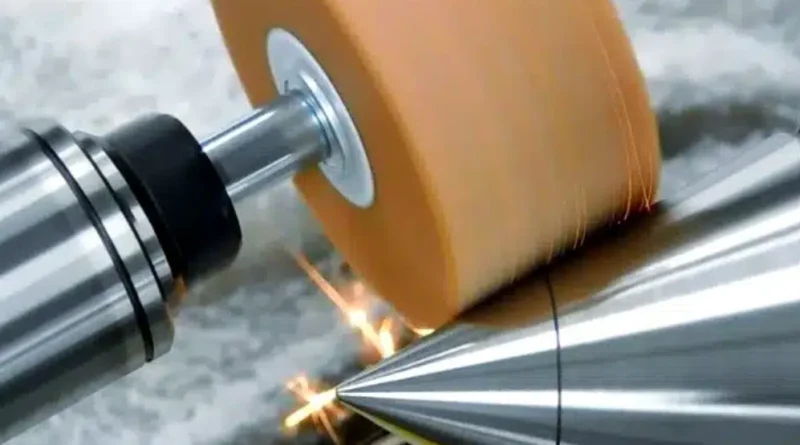
What Does Grinding Surface Roughness Reveal About Roughness Vs Waviness Vs Lay
Understanding Grinding Surface Roughness
Grinding surface roughness matters a lot in how a machined part works in everyday use. If you examine a ground surface up close, it looks smooth at first glance. But really, it consists of small peaks and valleys. These tiny bumps and dips change the part’s look. They also affect friction, how well it resists wear, and its ability to keep lubricant in place. In careful manufacturing, like in airplanes, cars, and tool making, managing surface texture is just as key as getting the right size and shape.
The Meaning of Surface Roughness in Grinding
Surface roughness means the small bumps created by the grinding process. It comes from how the rough grains on the wheel rub against the material of the part. Things like wheel speed, how fast you feed the material, and how deep you cut all shape this texture. The wheel’s features count too. These include grain size, the type of bond, and how well it’s dressed. They decide how the grains touch the surface. By measuring roughness, you get numbers that show the quality of the work. This helps guess how the part will hold up under pressure or with oil. For example, a ground spot for a bearing with an Ra under 0.2 µm shows good finishing. This fits for parts that spin fast. In my experience from shop floors, hitting that low Ra often means fewer returns from customers who need reliable spins.
Factors Influencing Grinding Surface Roughness
A few things shape grinding surface roughness. Fast grinding speed usually cuts down roughness. It does this by making chips thinner. But if the feed rate or cut depth gets too high, roughness goes up. That’s because the material bends more. Dressing the wheel brings back its sharp edges and even cut. If dressing is bad, grains stick out unevenly. This leads to bumpy finishes. Coolant helps a bunch too. It takes away heat and bits of metal that might burn or smear the surface. The hardness of the material plays a role in how grains dig in. Soft stuff might just smear instead of cutting clean. Hard materials, on the other hand, leave sharp little grooves. Think about grinding steel versus aluminum—steel gives cleaner lines, but aluminum can get gummy if coolant isn’t spot on.
Differentiating Roughness, Waviness, and Lay
Surface texture involves more than just roughness. To understand grinding results right, you must tell apart three main parts: roughness, waviness, and lay. Each one covers a different size or pattern of bumps on the surface. Together, they explain how the part acts when in use. I’ve seen teams mix these up, leading to wrong fixes in production.
The Definition of Roughness
Roughness covers the tiny bumps from the tool or grains touching the surface in grinding. These are short waves, often in micrometers. You measure them with Ra for average roughness or Rz for the height from peak to valley. This small landscape changes how things rub. Smoother spots cut down on energy waste. But if they’re too smooth, they might not hold oil well for lubrication.
The Definition of Waviness
Waviness means bigger waves on the surface. These have longer lengths than roughness. They often come from shakes in the machine, heat making parts grow, or bending under cut force. Waviness changes how parts fit and spread out weight. For instance, too much waviness on a seal spot can make contact uneven. This leads to leaks or quick wear. In auto parts, I’ve noted how a wavy shaft can throw off balance in engines.
The Definition of Lay
Lay is the main way the surface pattern runs, left by the grinding movement. It depends on how the part moves against the wheel. In round grinding, lay goes around like a circle. In flat grinding, it might make crossed lines based on feed way. The direction of lay affects the job. Lay across can catch oil well in sliding pieces. But if it lines up with stress, it might cut fatigue life short.
How Grinding Reveals the Relationship Between These Parameters
In real work, roughness, waviness, and lay link up during the cut. They don’t stand alone. Spotting how they connect lets you adjust the process for steady results in batches. It’s like tuning a guitar—get the strings right, and the whole sound improves.
Interaction Between Roughness and Waviness in Ground Surfaces
Both add to the full texture, but they vary in size and start. High waviness can hide real roughness in checks. That’s because tools follow the big waves, not the small peaks. A solid machine cuts down shakes that cause waviness. This lets the grains make the fine details. Balance matters for exact molds or lens parts. Here, big and small shapes both count. Sometimes, in a busy shop, ignoring this leads to reworks that eat time.
The Role of Lay in Interpreting Surface Texture Data
Lay direction gives clues to read measure data right on varied surfaces. Crossed lay spreads loads better than one-way lines. That’s why some shaft journals get finished with mixed lay for steady oil hold. Knowing lay guides end steps too. If tiredness life is key, point lay across stress lines. For better oil keep, go with lines along. In practice, this choice can add thousands of hours to a part’s run.
Measuring and Analyzing Grinding Surface Characteristics
Checking grinding surface roughness needs exact ways to catch small bumps and bigger bends without harming the part. Tools must be gentle yet sharp in detail.
Common Methods for Assessing Surface Roughness, Waviness, and Lay
Contact Profilometry Techniques
Profilometers with a stylus tip are common tools. They measure height changes with fine accuracy, down to under a micrometer. The tip, often diamond, slides over the part. Sensors track up and down moves from a base line. From the path, you figure Ra or Rz. For waviness, use longer cut lines. This method works well in most shops, though it takes care on soft metals to avoid marks.
Non-contact Optical Methods
Optical ways, like laser scan microscopes or white light checks, make detailed 3D pictures without touch. They’re great for soft finishes, such as shiny dies or covered parts. A stylus might scratch those. These tools catch tiny changes fast, saving time in high-volume lines.
Interpreting Measurement Results for Process Optimization
When you look at data over days, match Ra to Rz. This shows if peaks flatten even or if flaws stick after wheel dress. Watch waviness to spot machine steady trends. Slow rises might mean spin wobble or heat shifts. Even lay patterns show good setup between wheel and feed. Any twist points to fixture off-kilter. Fix that before big runs. In one case I recall, catching a waviness creep early saved a whole shift from scrap.
Practical Implications for Manufacturing Quality Control
Reading surface texture well ties straight to how reliable making is and planning fixes. It cuts costs in the long run.
Importance of Understanding Texture Components in Grinding Operations
By telling roughness from waviness and seeing lay effects, you see real surface strength. Don’t just trust Ra from reports. Good grinding setups stretch part life. They cut wear in repeat loads and keep oil where it counts. Full texture checks aid guess-work fixes too. Track slow shifts in numbers to spot wheel tire before size goes off. This avoids big stops. For example, in tool shops, watching lay changes has helped spot alignment issues before they hit output by 20%.
FAQ
Q1: What is considered an acceptable level of grinding surface roughness?
A: It depends on what the part does; precision bearings may need Ra below 0.2 µm, while basic structure parts handle up to 1 µm fine without problems.
Q2: How does coolant affect grinding surface finish?
A: Good coolant flow cuts heat that makes cracks or burn spots; too little cooling often bumps up both roughness and waviness from local swelling.
Q3: Can measuring only Ra give enough information about quality?
A: No; Ra smooths out peaks and valleys but skips their gaps or forms—pair it with Rz or waviness for a better view of how texture acts under weight.
Q4: Why does lay direction matter so much in fatigue applications?
A: Tiny grooves in line with stress start cracks; tweak lay to spread stress even over the surface.
Q5: What’s the best method for inspecting highly polished ground surfaces?
A: Non-contact optical interferometry fits best. It grabs changes at nanometer scale without scratching soft covers or shiny ends common in mold tools.